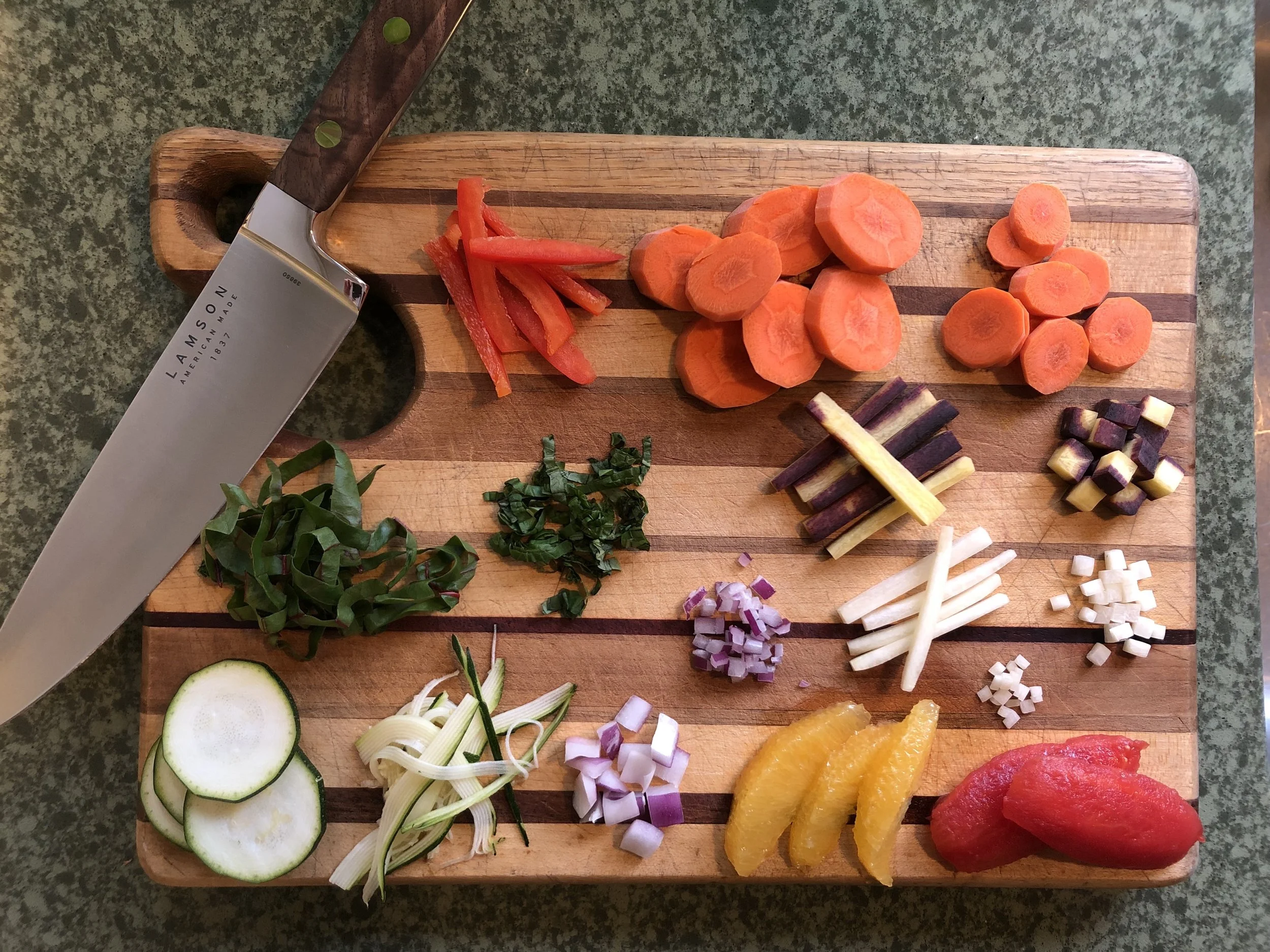
From Jill’s Kitchen
The tools, cookware, books, and garden gear I actually use and recommend. These are the things that have earned a place in my kitchen, garden, or cookbook collection, and the products I find myself recommending again and again to clients, friends, and fellow vegetable lovers.
I’ve included everything from everyday kitchen essentials to garden and preserving tools, plus cookbooks that have made me a better and more inspired cook. I’m pretty picky about what makes the list!
As an Amazon Associate I earn from qualifying purchases. Some links on this page are affiliate links, which means I may earn a commission if you purchase through them, at no additional cost to you.
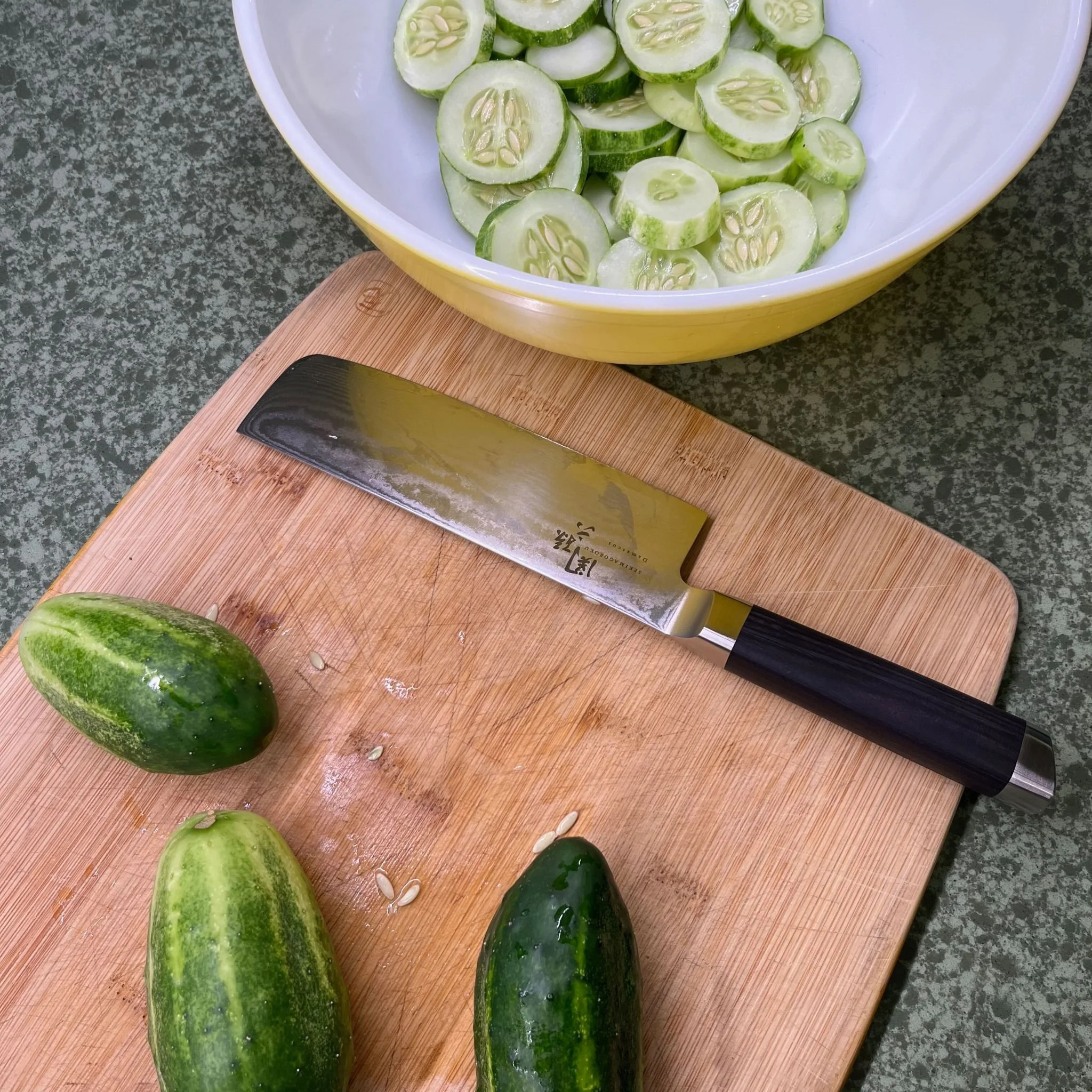
KAI Seki Magoroku Damascus Nakiri
My go-to knife for vegetables. The wide, straight-edged blade makes quick work of chopping, slicing, and dicing, while the lightweight design feels comfortable and nimble in your hand. I especially love it for all the vegetable prep that happens in my kitchen, and during Chop & Chat sessions.
The Damascus-patterned blade is beautiful, but this is definitely a knife I recommend for its performance, not just its looks. It’s sharp, precise, and makes prepping a pile of vegetables feel much more manageable.
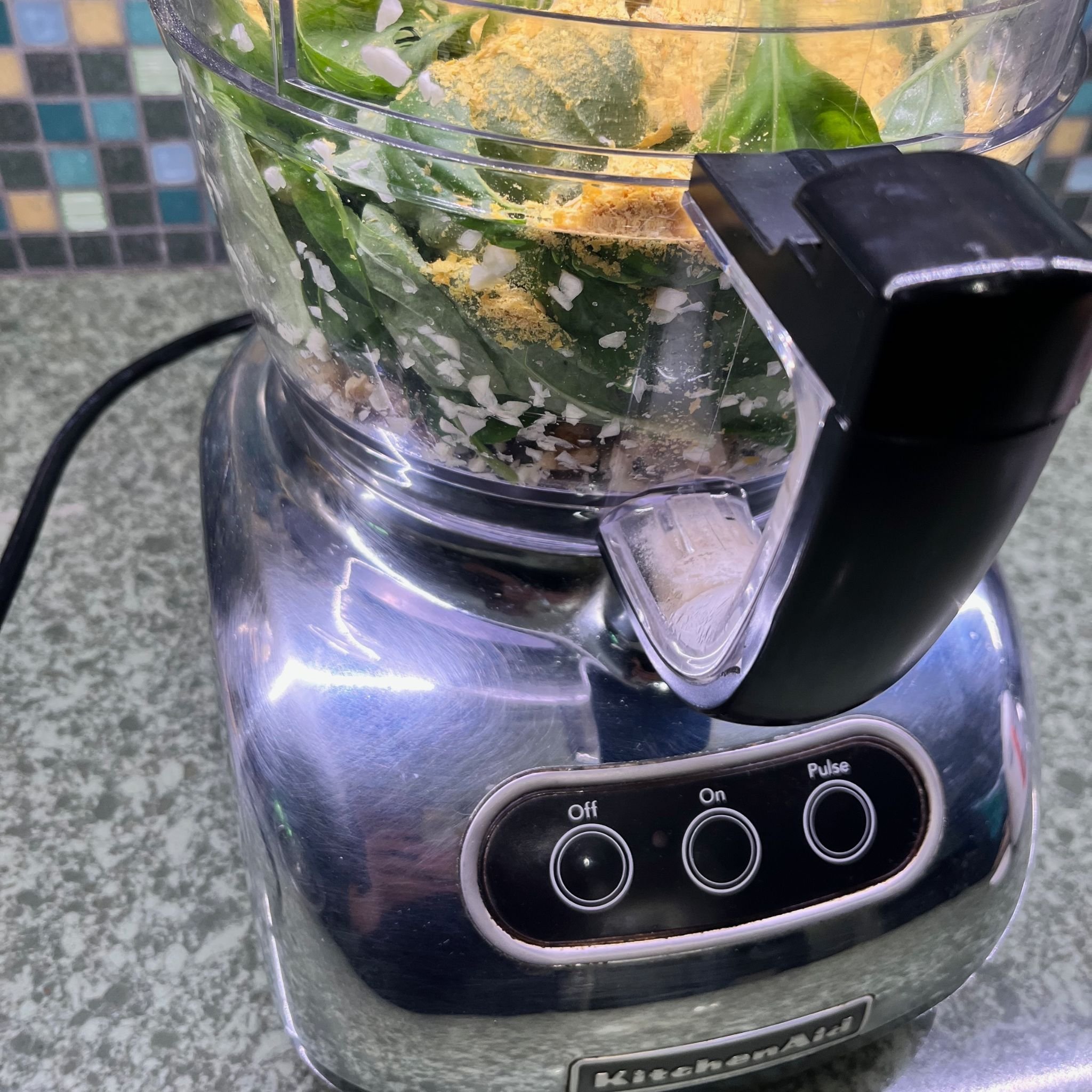
KitchenAid Food Processor
I've used my KitchenAid food processor for years, and it's still one of the most reliable tools in my kitchen. It shreds a head of cabbage in seconds, whips up pesto in no time, and makes hummus smooth and creamy without a fight. Mine is an older model, but the current version does the same job with a few thoughtful updates.
KitchenAid makes this in a few sizes, and the right one depends on how you cook:
Get the 7-Cup version here
A solid choice for smaller batches, quick prep, and kitchens with limited storage space. Good fit if you're cooking for one or two, or you mainly use it for sauces, dressings, and small-batch prep.
Get the 9-Cup version here
Built for bigger batches of the plant-based staples you'll make again and again from a full recipe of hummus, batch-prepped veggie slaws, homemade nut-based sauces, or shredded veggies for a week of meal prep. Worth the extra capacity if you cook plant-forward meals regularly or like to prep ahead for the week.
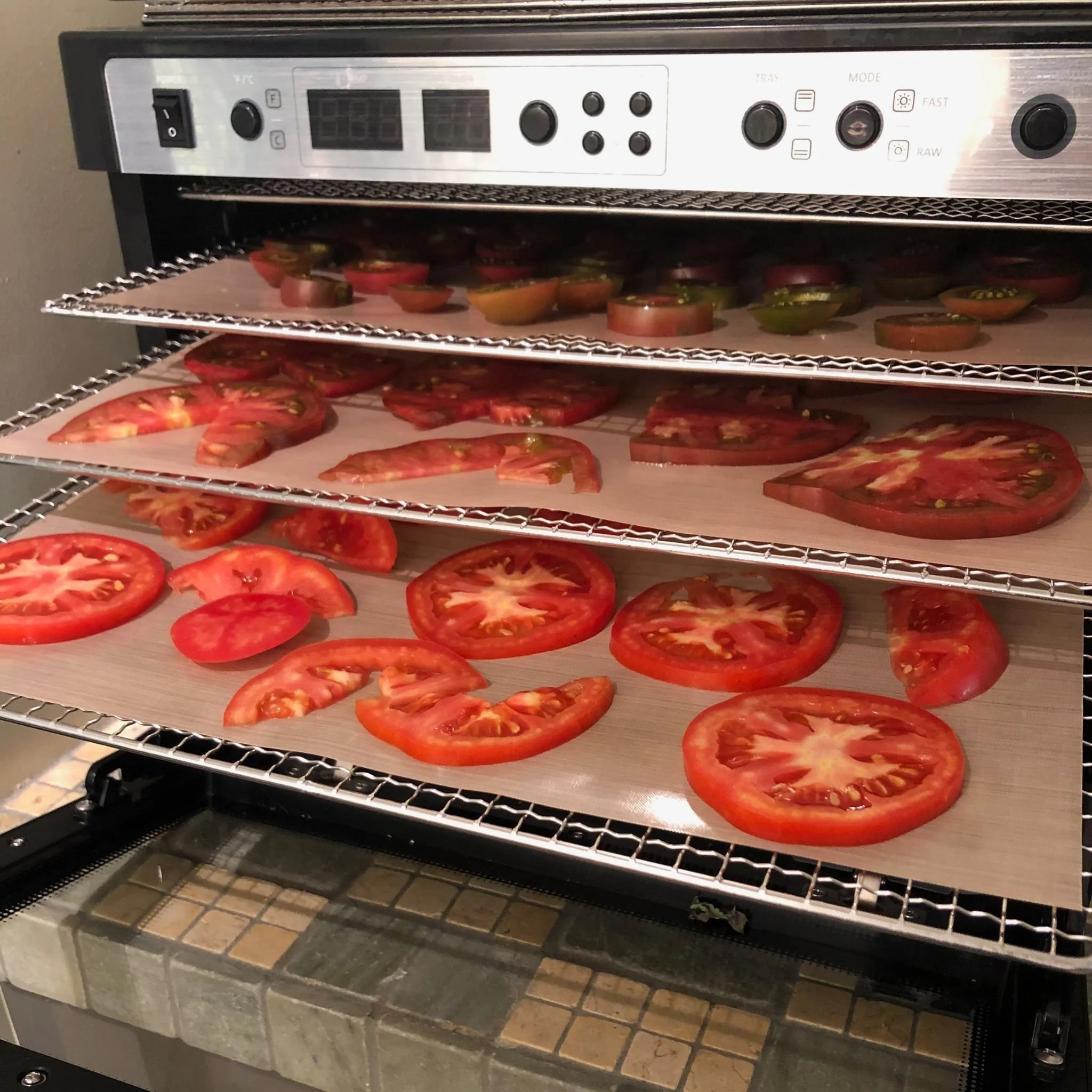
Tribest Sedona Classic Food Dehydrator
My go-to for preserving the garden harvest. This is the dehydrator I reach for when I have more fruits, vegetables, herbs, or other garden goodness than I can use fresh. The nine stainless-steel trays give you plenty of room for larger batches, while the precise temperature controls and timer make it easy to set it up and let it do its thing.
I especially love having a dehydrator during the height of the garden season—it gives you another way to preserve what you've grown without filling another freezer or hauling out the canning equipment. The stainless-steel trays are a big plus for me, too. This is a serious investment, but if you're committed to preserving your harvest, it's a workhorse.
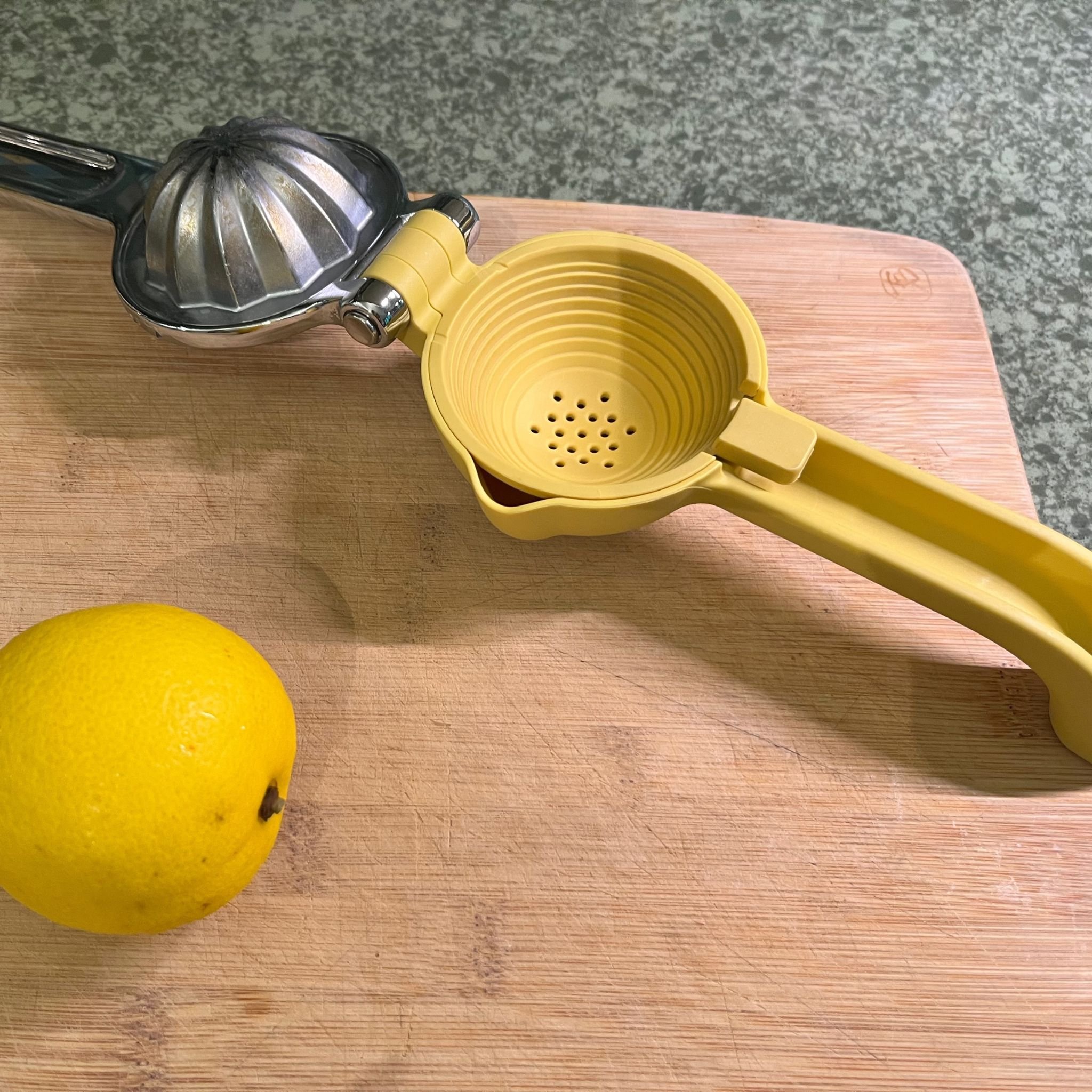
KitchenAid Citrus Juice Press
One of my favorite kitchen tools. I use a citrus press whenever I'm making dressings, sauces, marinades, or anything that needs a bright hit of lemon or lime. This one is sturdy, easy to use, and catches the seeds while directing the juice right where you want it to go.
I especially love it for cooking with lots of fresh vegetables, a squeeze of lemon can be the difference between a dish that's fine and one that really pops. Small tool, big payoff.
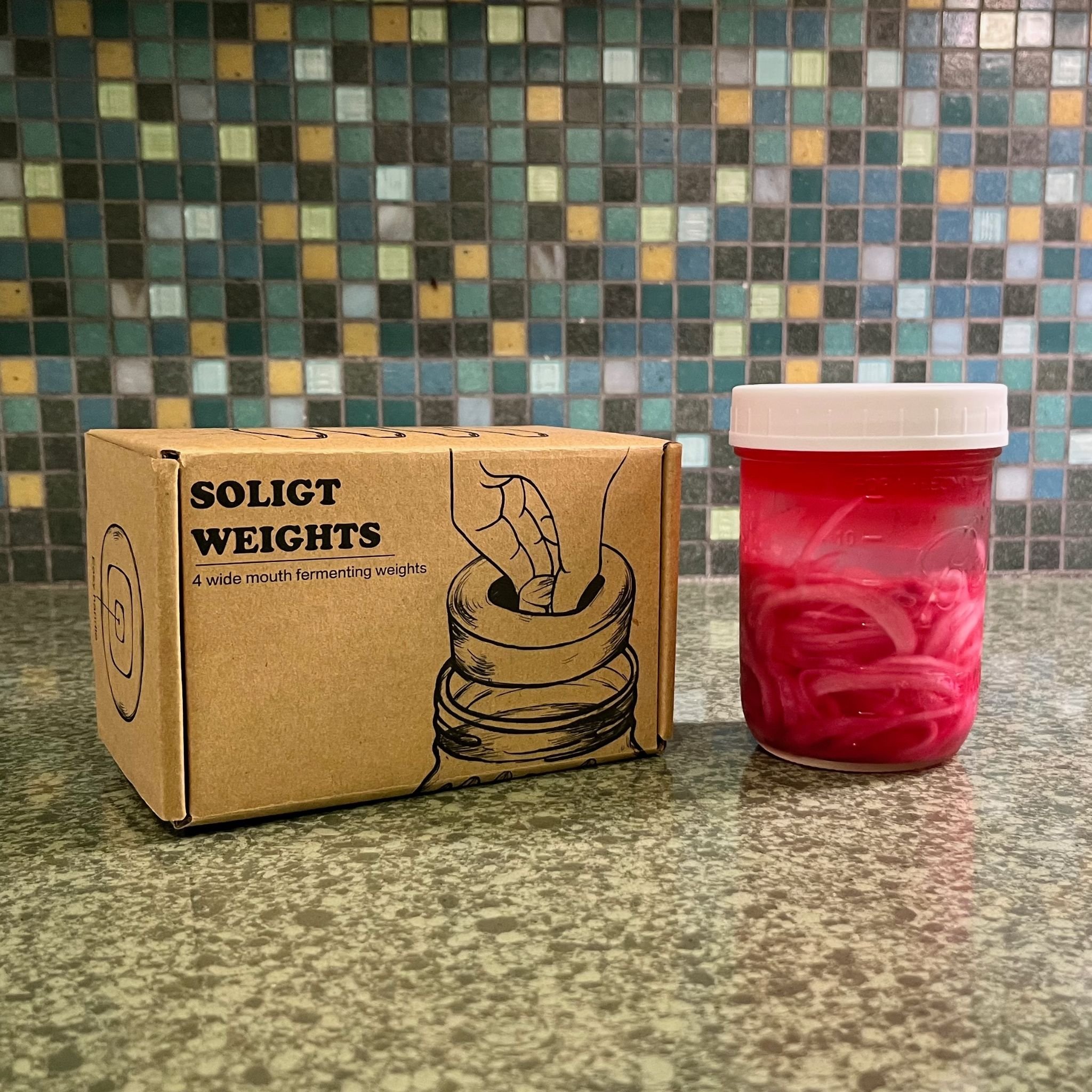
Soligt Fermentation Glass Weights
If you want to try fermenting vegetables, these little weights are a must-have. I use glass fermentation weights to keep vegetables submerged beneath the brine, which is essential for successful lacto-fermentation. These fit wide-mouth Mason jars and have a handy little grip that makes them much easier to remove when your ferment is ready.
They're simple, reusable, and inexpensive, and they make home fermentation much less intimidating. If you're making sauerkraut, pickles, fermented carrots, or other vegetable ferments, this is one of those small pieces of equipment that makes the process easier and more reliable.
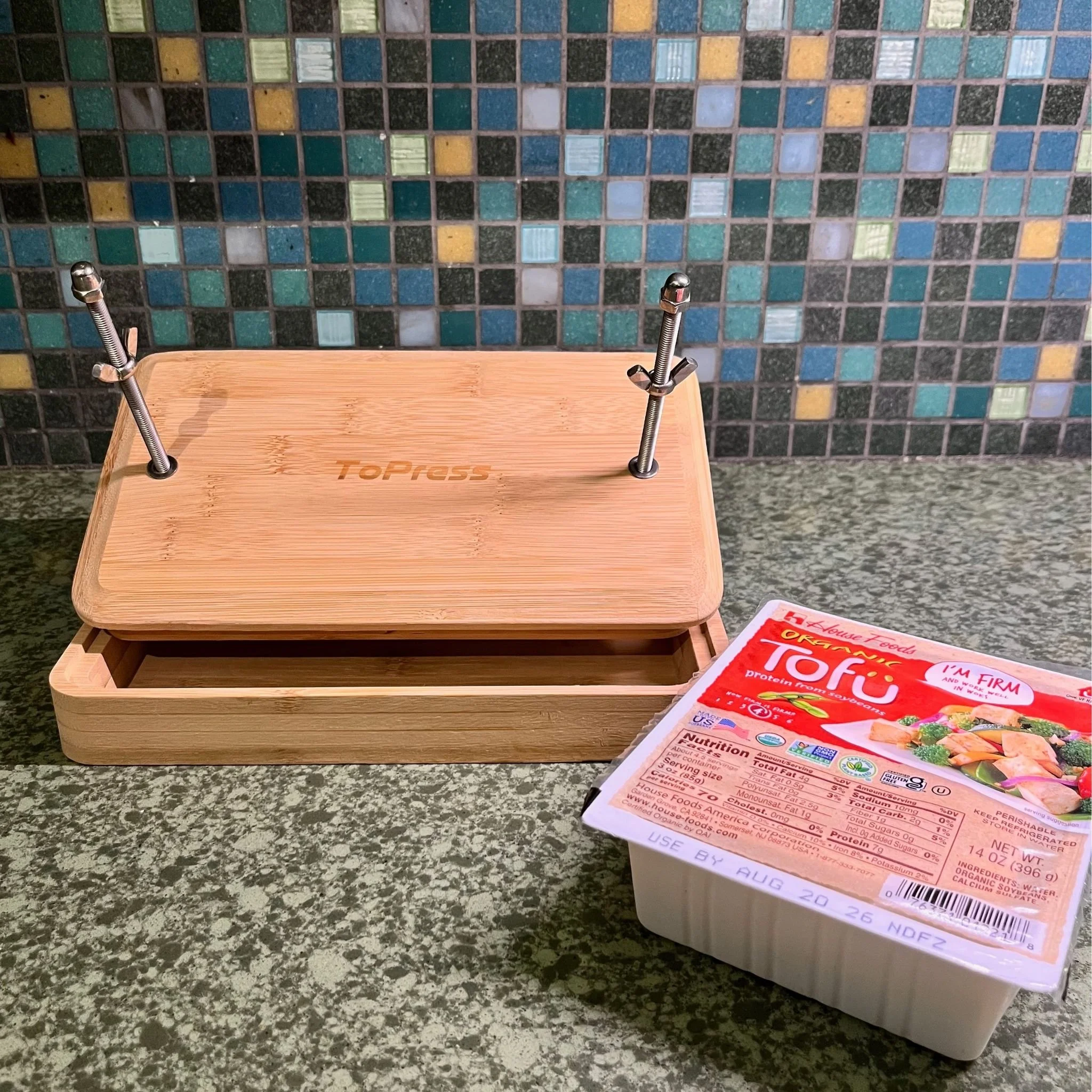
Bamboo Tofu Press
If you cook tofu regularly, a tofu press is one of those little tools that makes a surprisingly big difference. Pressing out excess water gives tofu a firmer texture and helps it absorb marinades and sauces, while also making it easier to get beautifully crisp results when baking or pan-searing.
I like this bamboo version because it combines the press with a drip tray and strainer, so the whole process stays contained and tidy. The included cheesecloth is a nice bonus, too.
If you're trying to make tofu that is actually crave-worthy—not bland, soggy tofu—this is a great place to start.
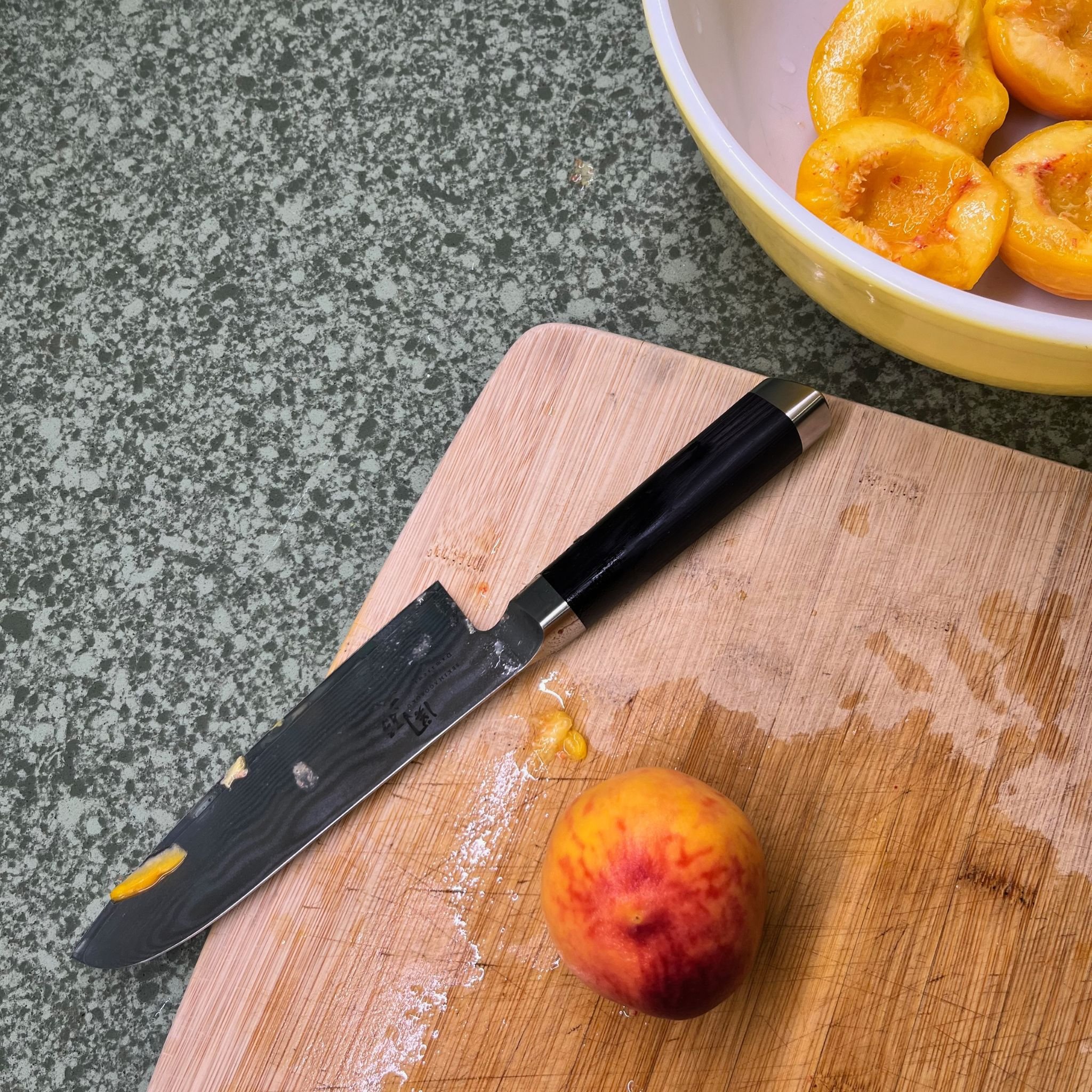
KAI Seki Magoroku Damascus Santoku
My other go-to knife for vegetables. The wide, straight-edged blade makes chopping, slicing, and dicing quick and precise. It’s lightweight, comfortable to handle, and especially well-suited to the kind of everyday vegetable prep I do in my kitchen and during Chop & Chat sessions.
The beautiful Damascus blade is a bonus, but what I really love is how effortlessly it moves through a pile of vegetables.
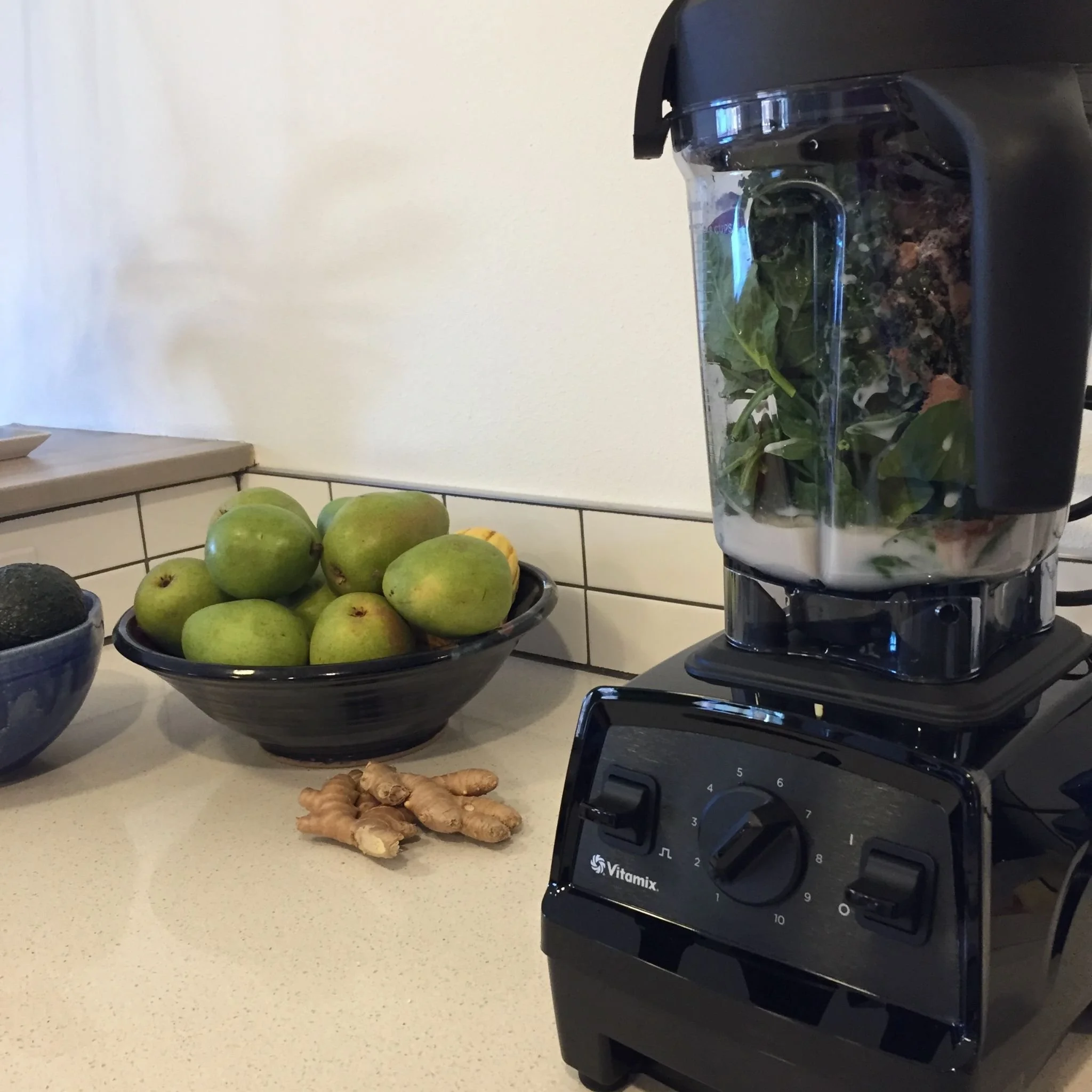
Vitamix 5200 Blender
The blender that finally ended my annual blender replacement cycle. Before I bought my Vitamix, I was breaking a blender about once a year making thick, nut-based sauces. I finally invested in a Vitamix 15 years ago, and it's still going strong and still amazing.
It's powerful enough to turn nuts, seeds, vegetables, and other ingredients into incredibly smooth sauces, dressings, soups, and more. The 64-ounce container is great for larger batches, and the variable-speed control gives you a lot of control over texture.
This is one of those kitchen investments I can wholeheartedly recommend. Fifteen years later, mine is still one of the hardest-working appliances in my kitchen.
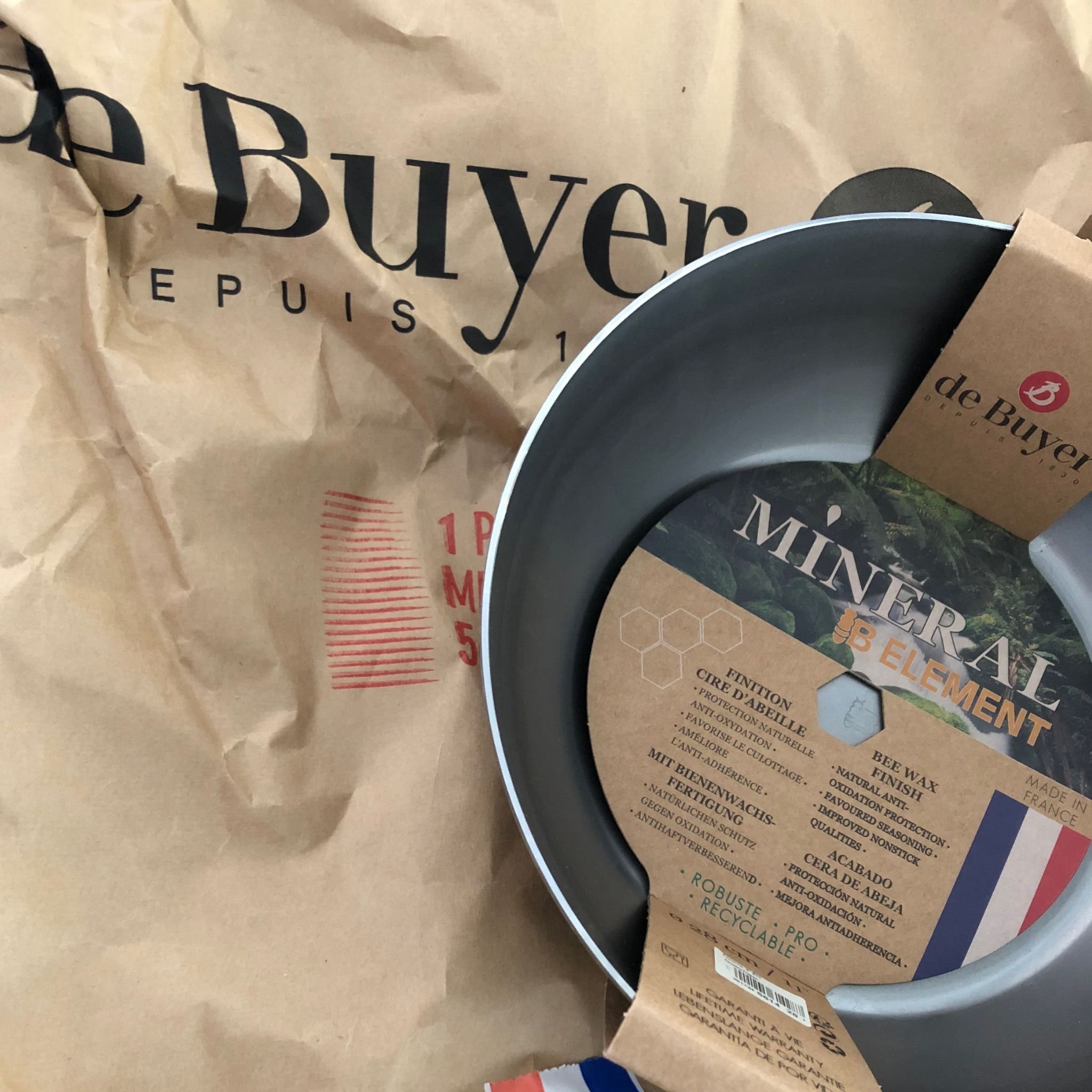
de Buyer MINERAL B Carbon Steel Country Fry Pan
One of my favorite pans for everyday cooking. I love carbon steel because it develops a naturally nonstick surface with use, without relying on synthetic coatings.
It does require a little more care than a conventional nonstick pan—seasoning and keeping it dry are part of the deal—but I think it's absolutely worth it. If you want a durable, hardworking pan that can get better with age, this is a great one.
Not sure which size to choose? These are the sizes I'd consider for most home kitchens.
8" Shop 8” de Buyer
10.25" Shop 10.25” de Buyer
11" Shop 11” de Buyer
12.5" Shop 12.5” de Buyer
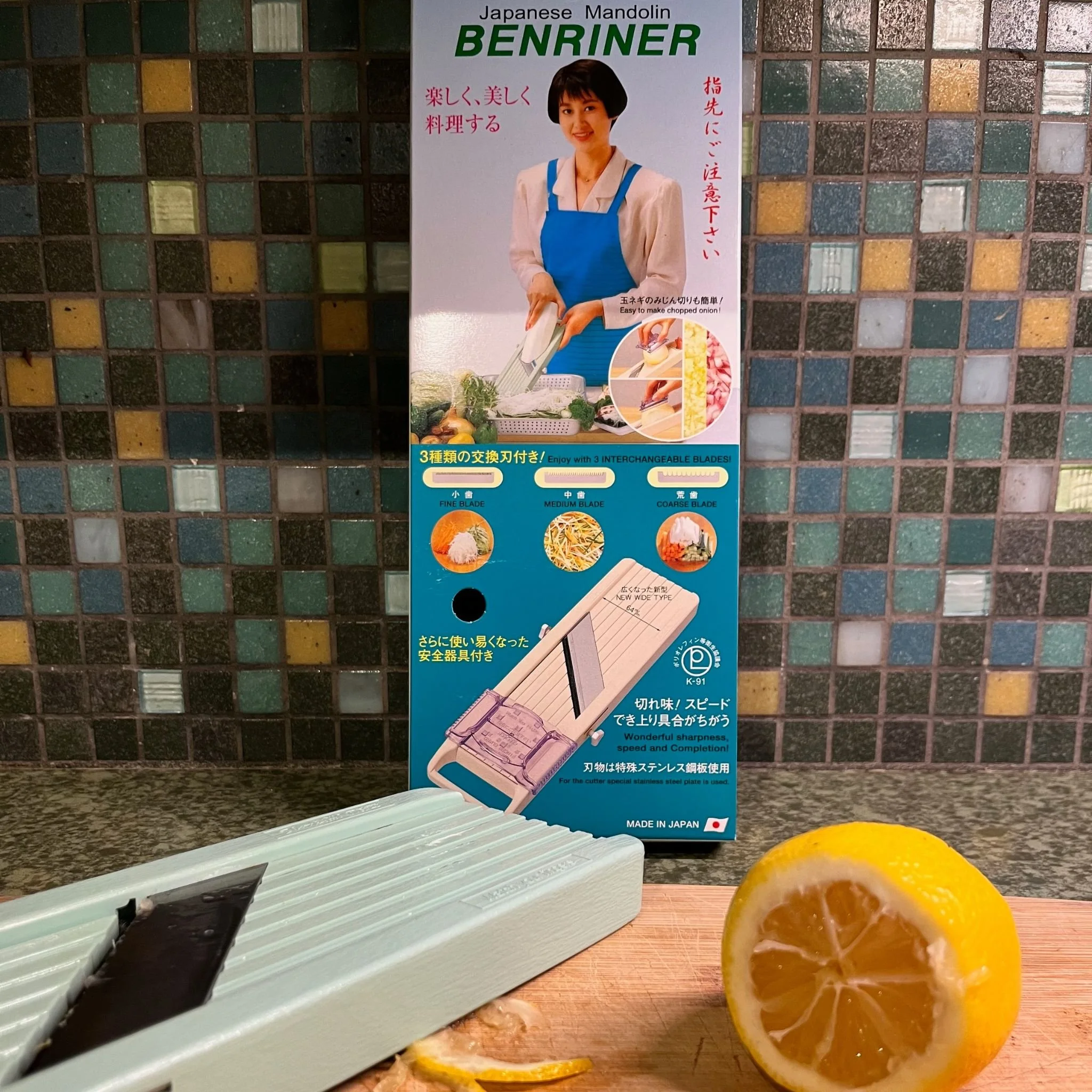
Benriner Japanese Vegetable Slicer
One of my favorite tools for getting beautiful, even slices in seconds. This simple Japanese mandoline makes quick work of vegetables like cucumbers, carrots, radishes, cabbage, and potatoes. It's lightweight, compact, and much less intimidating than some of the larger mandolines out there.
I have the older version of this slicer and still love it. If you want to prep vegetables faster, or just make them look a little more restaurant-worthy, this is a small tool that can make a big difference.
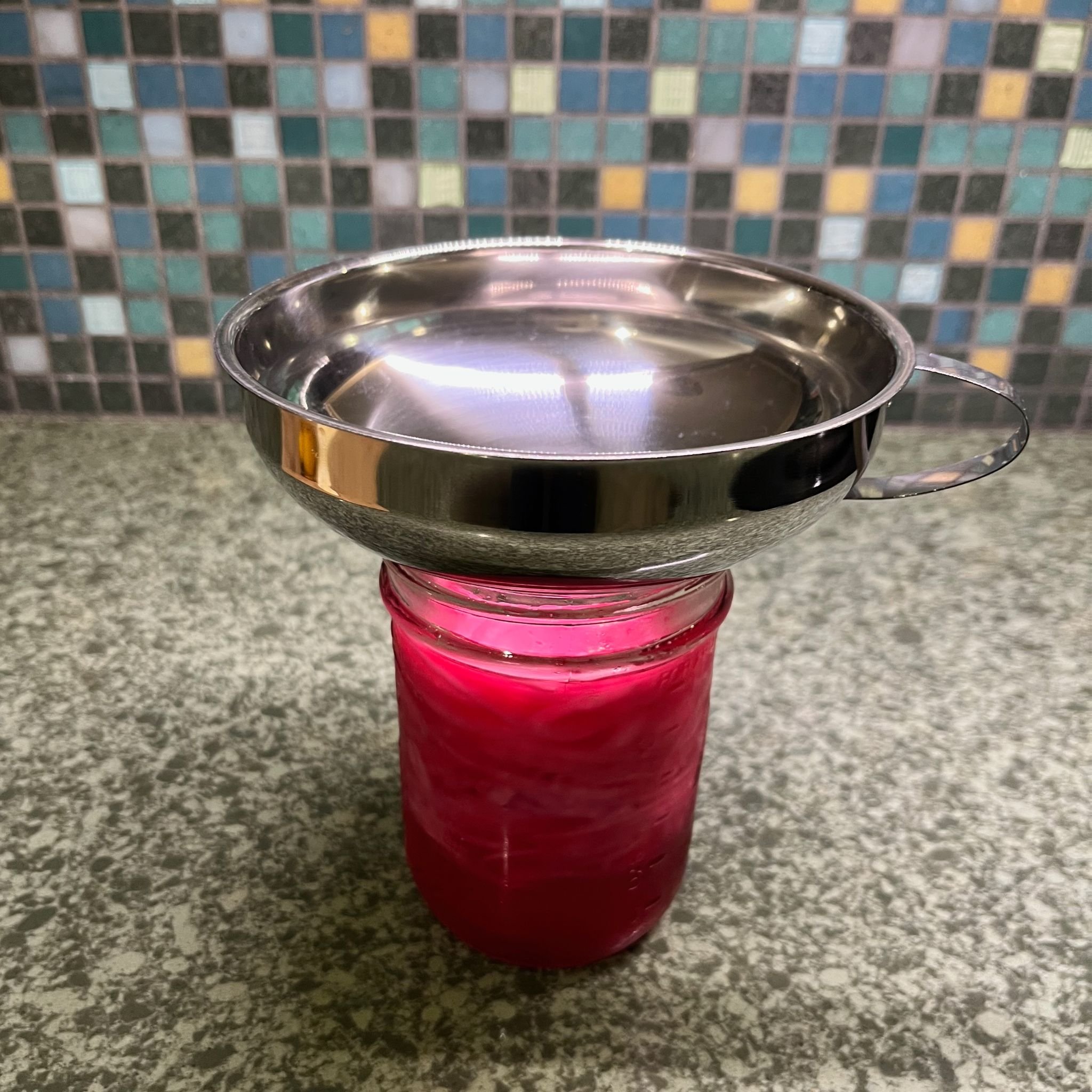
Wide-Mouth Canning Funnel
A tiny tool that makes preserving so much less messy. I prefer a stainless steel funnel over plastic, especially when you're filling jars with something hot. It feels sturdier, holds up to heat, and is one less plastic tool in the kitchen.
A wide-mouth funnel makes it easy to fill Mason jars neatly, whether you're canning salsa, jam, sauces, pickles, or other preserves, without getting food all over the rim.
Simple, durable, and inexpensive. If you do any preserving, this is one of those little tools you'll reach for every time.
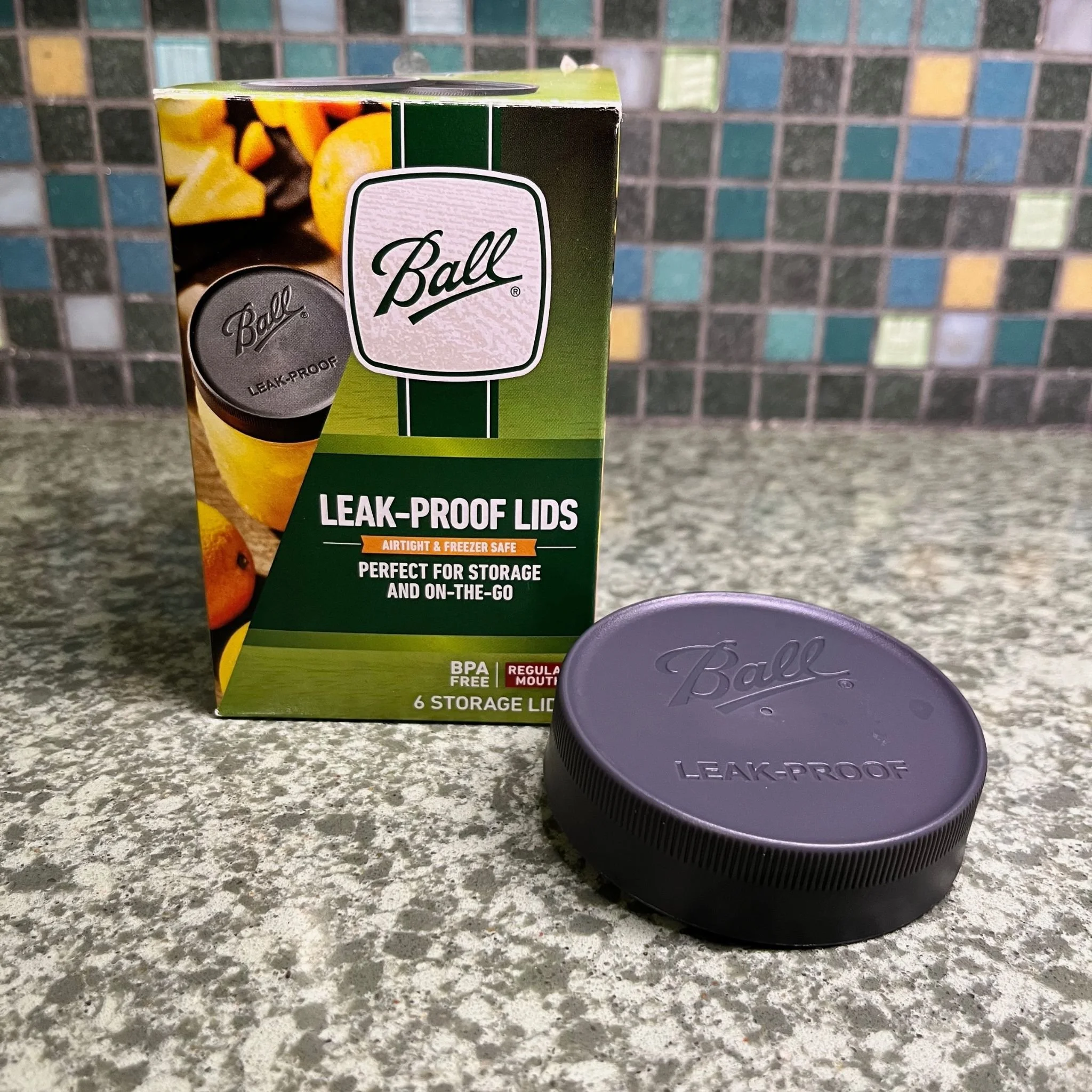
Ball Leak-Proof Plastic Mason Jar Lids
I’ve tried the knock-offs. Don’t. These Ball lids are worth it, especially when you’re using Mason jars for anything liquid. The off-brand versions I've tried have leaked, which is particularly annoying when you're storing brine, sauces, dressings, or other homemade goodies.
These are designed to fit regular-mouth Mason jars and create a reliable seal for everyday storage. They're great for pickling, fermenting, canning prep, storing leftovers, and taking homemade dressings or sauces on the go.
For something as simple as a jar lid, I want it to actually do its job. Stick with Ball.
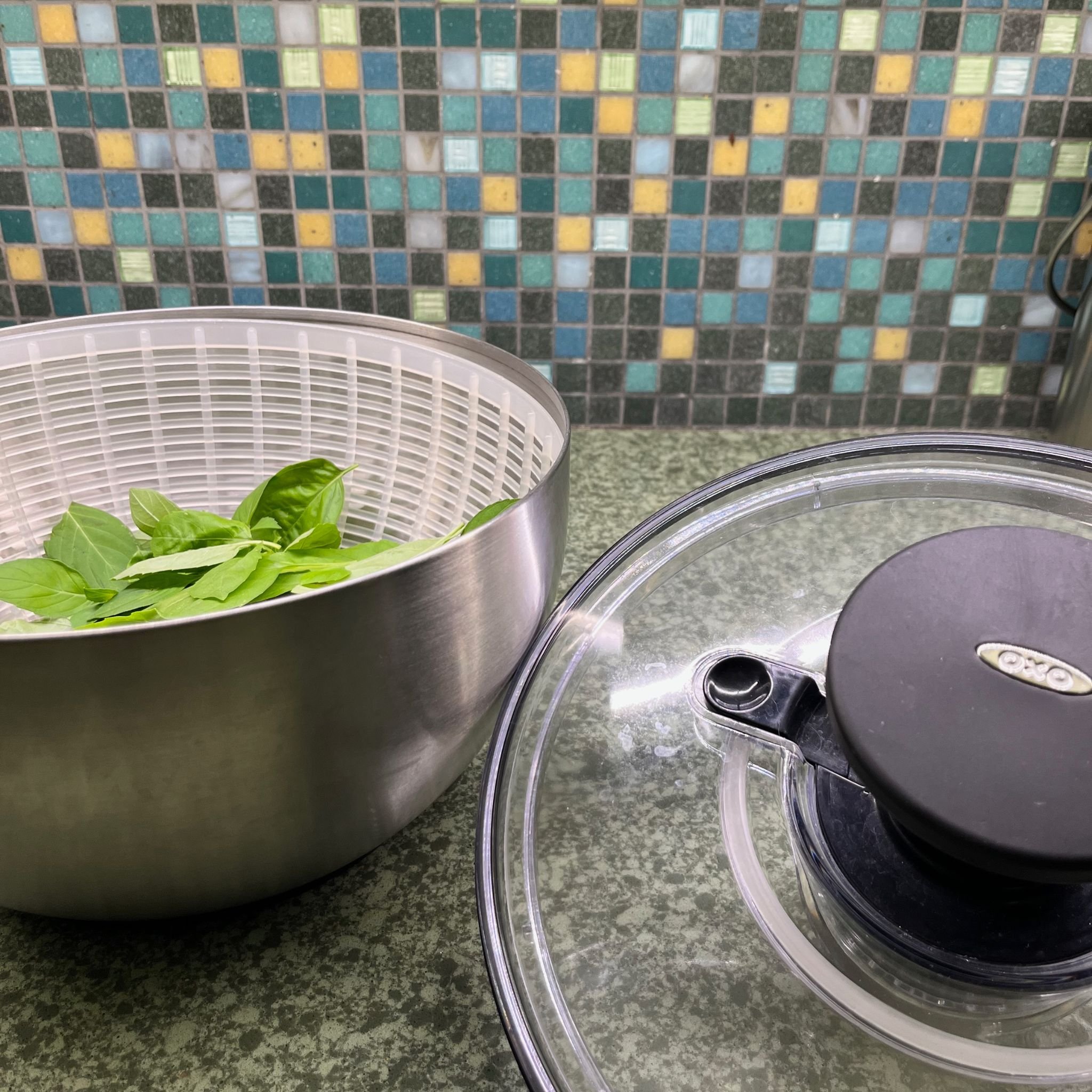
OXO Stainless Steel Salad Spinner
A must-have for anyone who eats a lot of greens. I use this to wash and thoroughly dry kale, lettuce, herbs, and other delicate greens. The large stainless steel bowl is sturdy enough for everyday use, and the simple pump mechanism makes spinning a big batch quick and easy.
Getting greens really dry makes a difference, especially for salads, dressings, and meal prep. This is one of those kitchen tools that earns its place because I use it all the time.
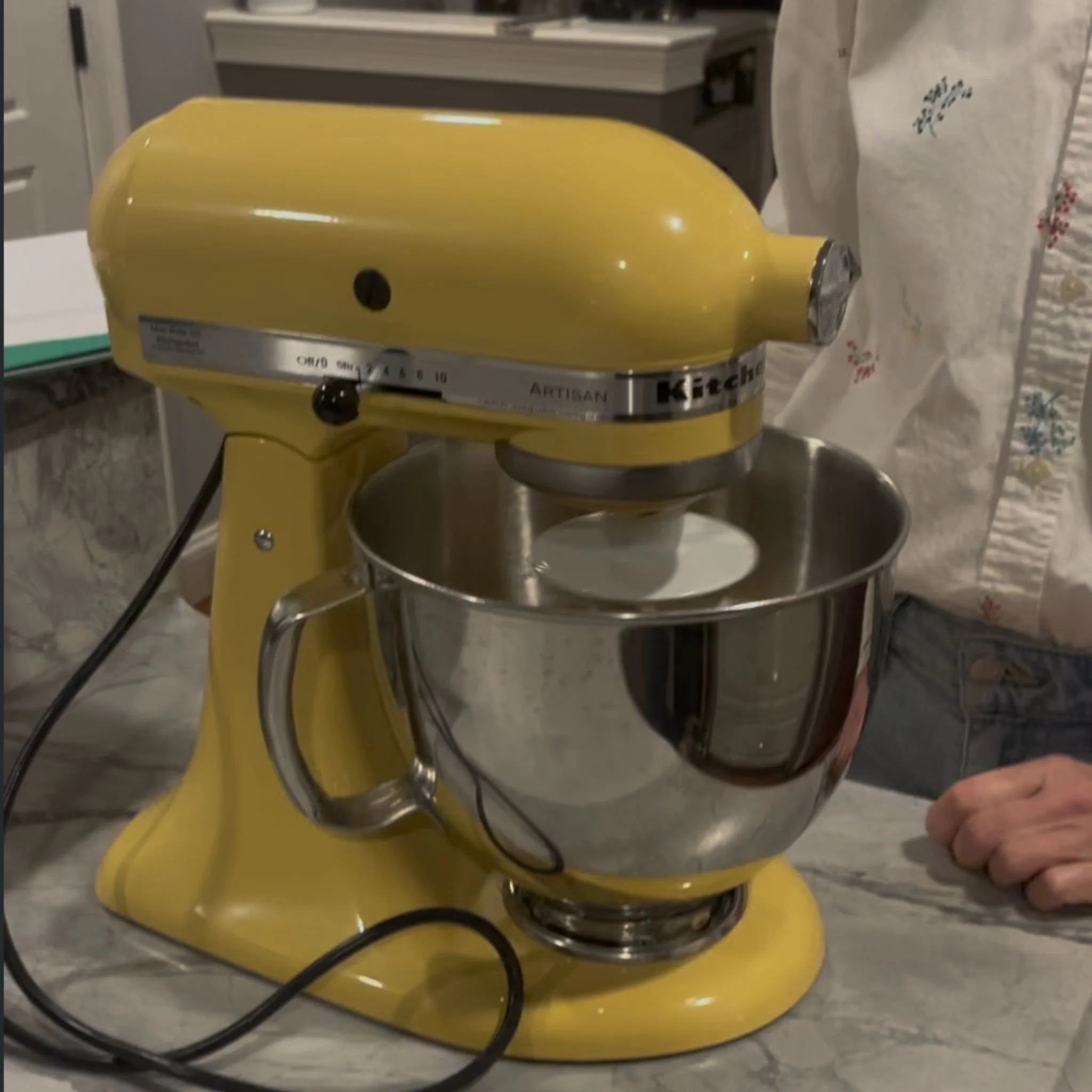
KitchenAid Artisan Series 5-Quart Tilt-Head Stand Mixer
A classic kitchen workhorse. This is the stand mixer I recommend for anyone who wants a dependable, versatile mixer that will last for years. The 5-quart bowl is a great size for everyday baking and cooking, and the tilt-head design makes it easy to add ingredients and change attachments.
What I especially love about KitchenAid mixers is their versatility. Beyond mixing and baking, the wide range of attachments can turn the mixer into a pasta maker, food processor, spiralizer, and more. It's one of those kitchen investments that can earn its counter space for decades.
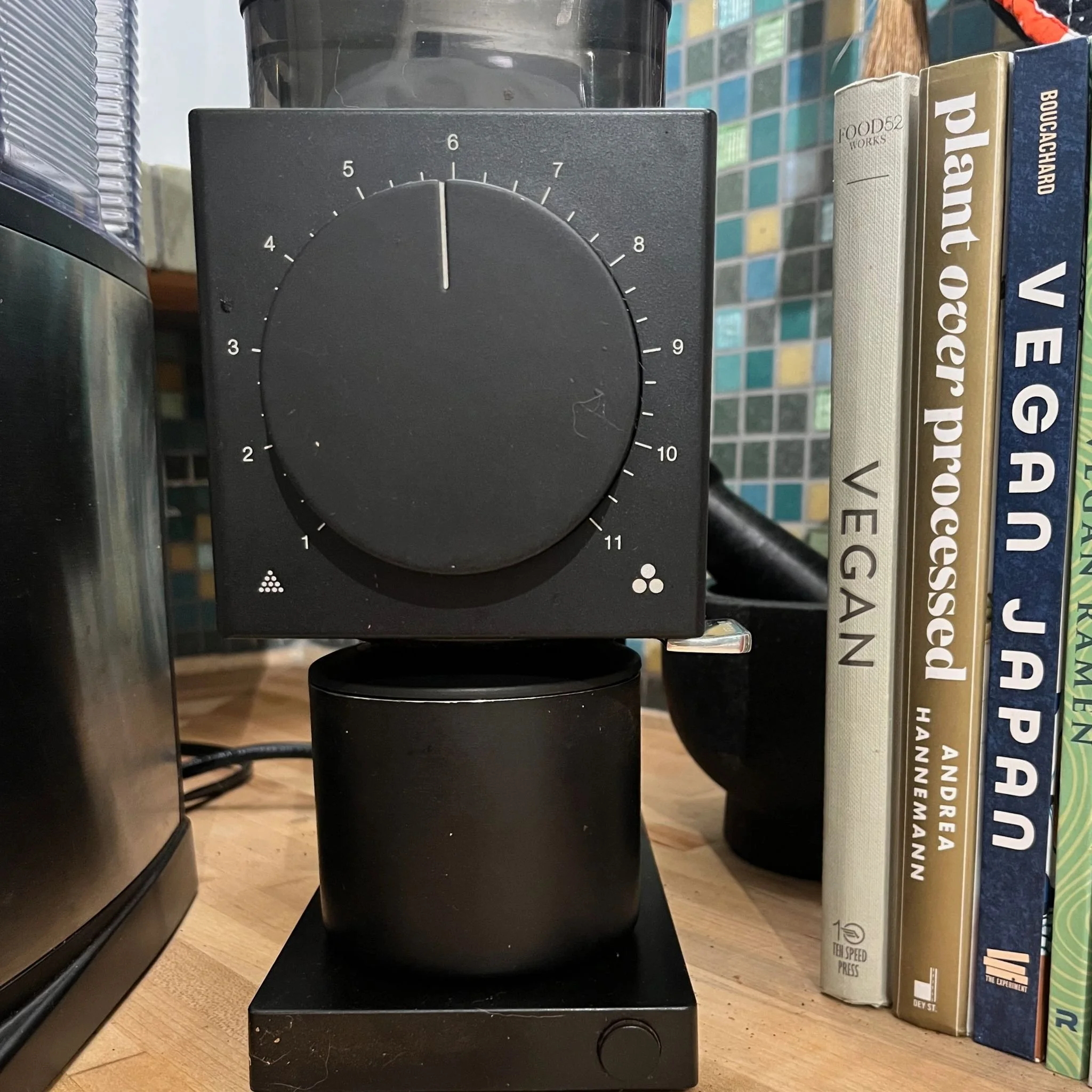
Fellow Ode Gen 2 Coffee Grinder
If you want better coffee, start with the grind. I have the Gen 1 of the Fellow Ode, and I highly recommend it if you want to grind your coffee fresh at home. The Gen 2 uses 64mm flat burrs, which produce a more consistent grind size than the conical burrs found in many home grinders. That consistency helps with more even extraction and, ultimately, better-tasting coffee.
I also appreciate the design: it's primarily metal, with less plastic than many other grinders, and it feels like a thoughtfully made piece of equipment rather than an appliance you'll replace in a few years.
The result? Superior coffee. Freshly ground beans make a noticeable difference, and a good grinder is one of the best investments you can make if you're serious about your morning cup.
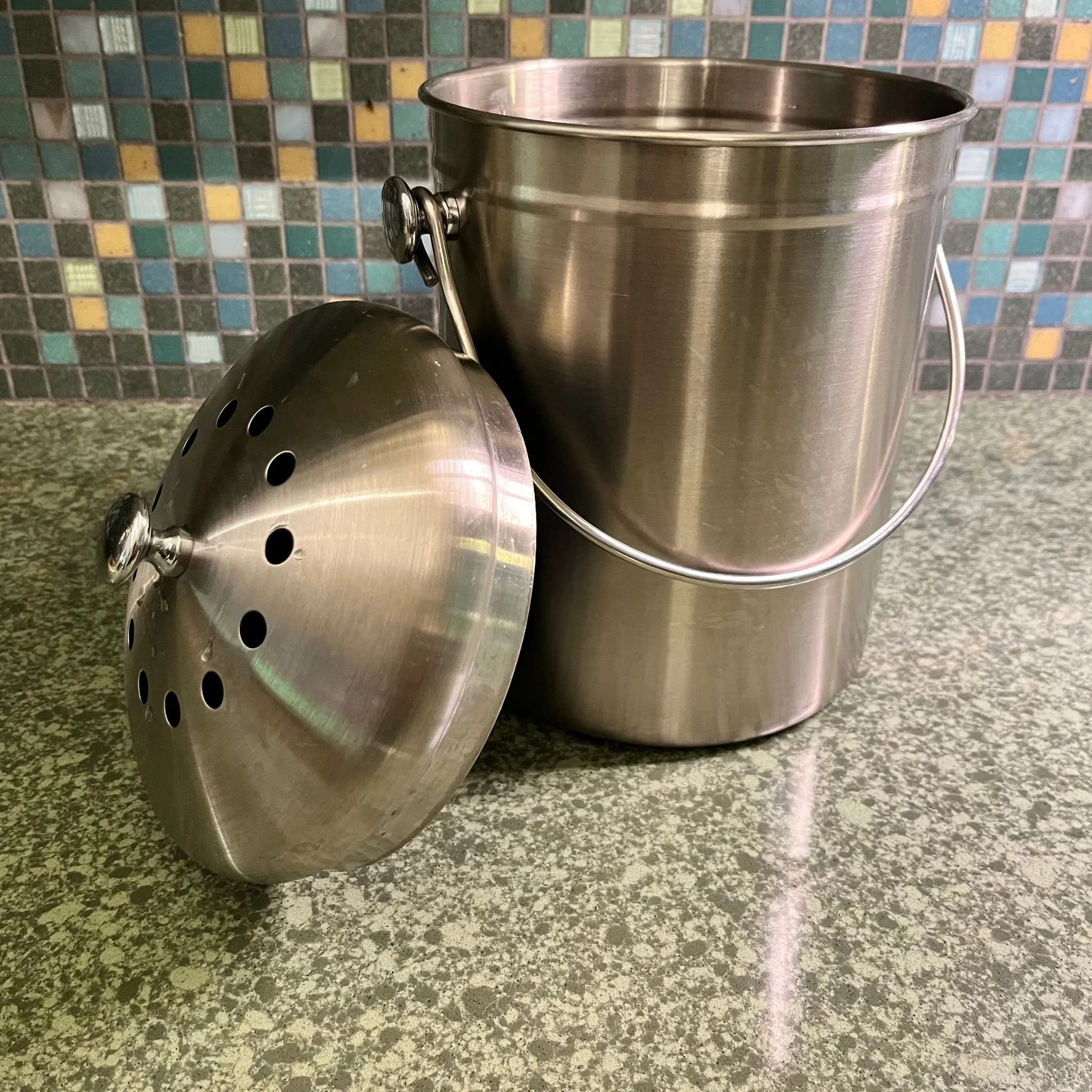
Utopia Kitchen Countertop Compost Bin
A simple little workhorse for the kitchen. I like having a countertop compost bin within easy reach while I'm cooking, especially when I'm prepping lots of vegetables. This 1.3-gallon size is large enough to hold a good amount of scraps without taking over your counter, and the stainless steel is easy to clean and looks nice enough to leave out.
If you're trying to make composting part of your everyday cooking routine, having a dedicated bin right where you prep makes it so much easier.
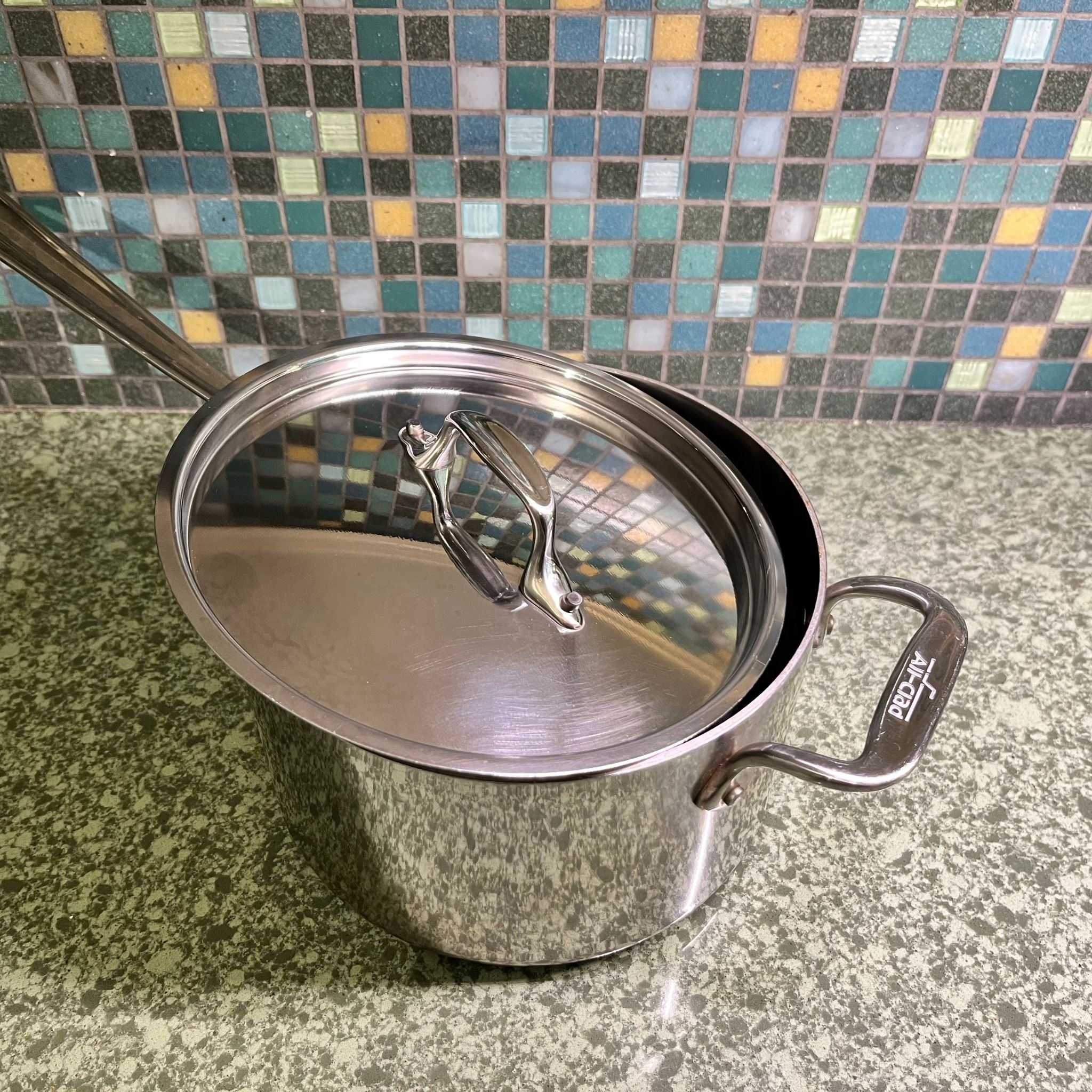
All-Clad D3 Stainless Steel 4-Quart Saucepan
A true kitchen workhorse, and one of those pieces of cookware worth investing in. I love stainless steel for its durability, versatility, and ability to handle everything from sauces and grains to soups, beans, and vegetables. The 4-quart size is especially useful: big enough for a generous batch without being cumbersome.
The D3's tri-ply construction distributes heat evenly and responds quickly when you adjust the temperature, making it a pleasure to cook with. And because it's stainless steel, there's no coating to worry about, it can handle high heat and will keep looking good for years.
If you're building a kitchen with fewer, better pieces of cookware, this is one I'd put on the list.
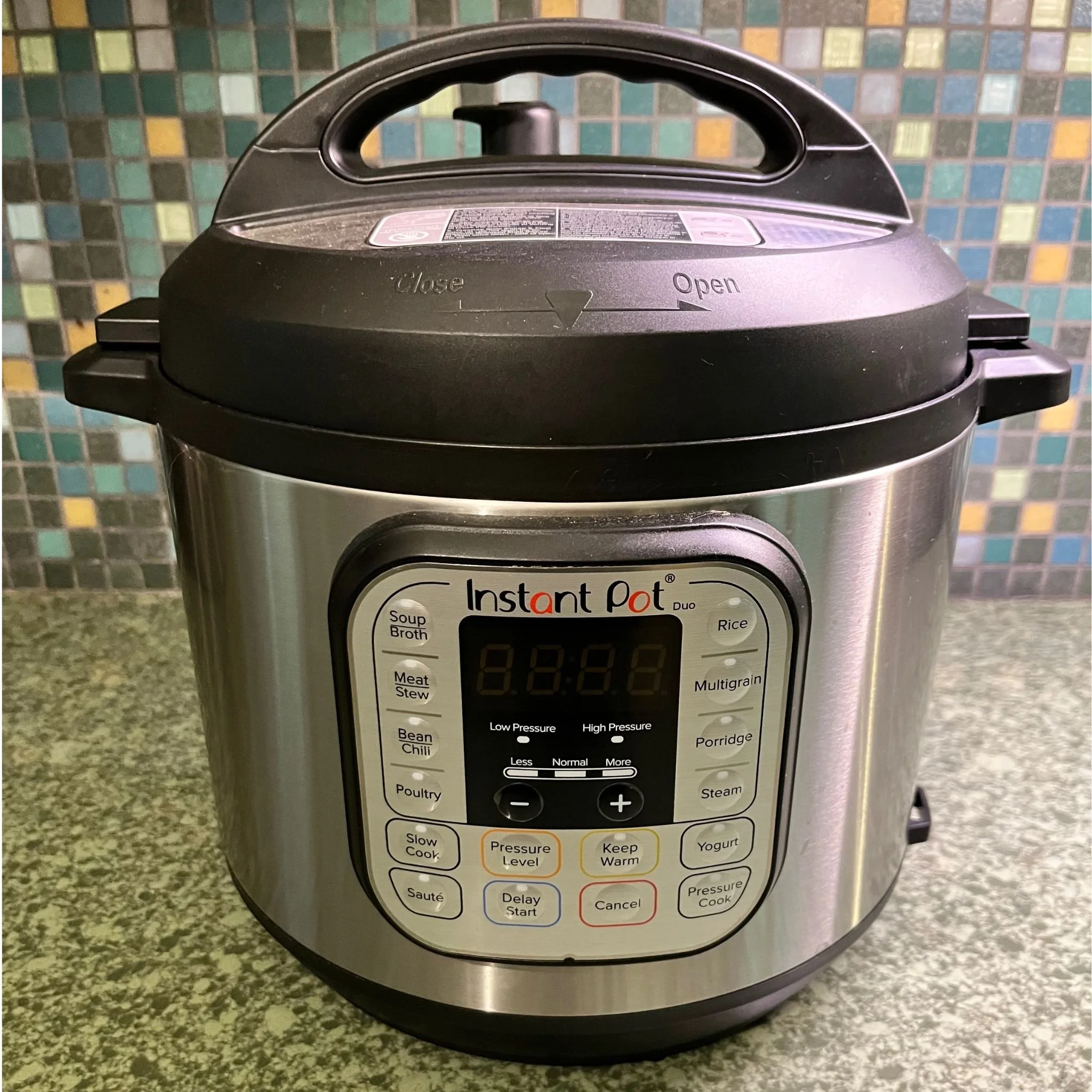
Instant Pot Duo 7-in-1
Make your own beans without worrying about a pressure-cooking explosion. 😄 The Instant Pot takes the intimidation out of cooking dried beans and is one of my favorite ways to get inexpensive, nutritious staples on the table with very little hands-on time.
And beans are just the beginning. This 6-quart model also works as a slow cooker, rice cooker, steamer, sauté pan, yogurt maker, warmer, and sterilizer—so it can replace a surprising number of appliances.
I especially love it for batch cooking: make a big pot of beans, grains, soup, or stew and you've got building blocks for meals all week.
If you're trying to eat more plant-based food, an Instant Pot is a seriously useful tool to have in your kitchen.
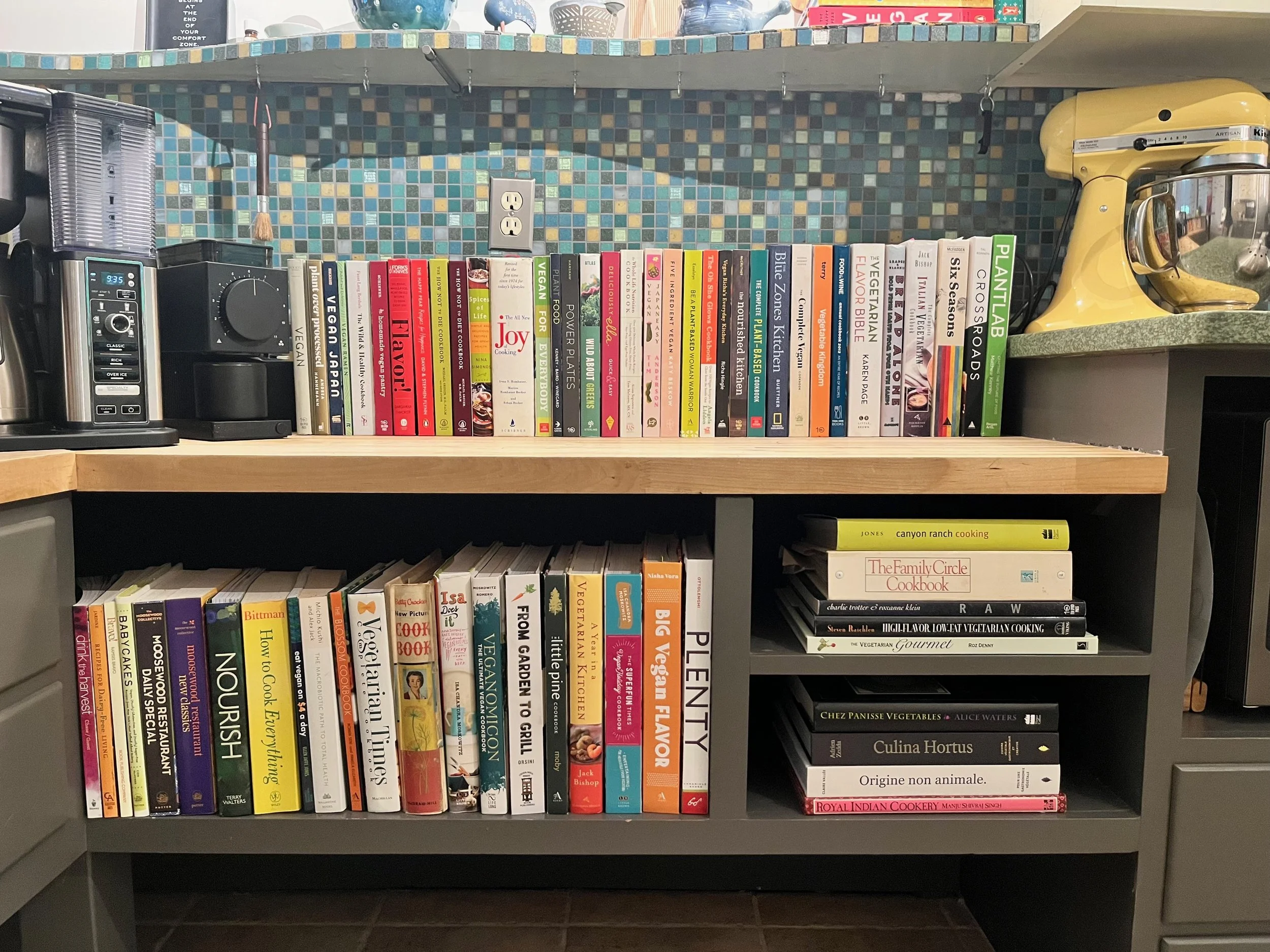
Cookbook Faves
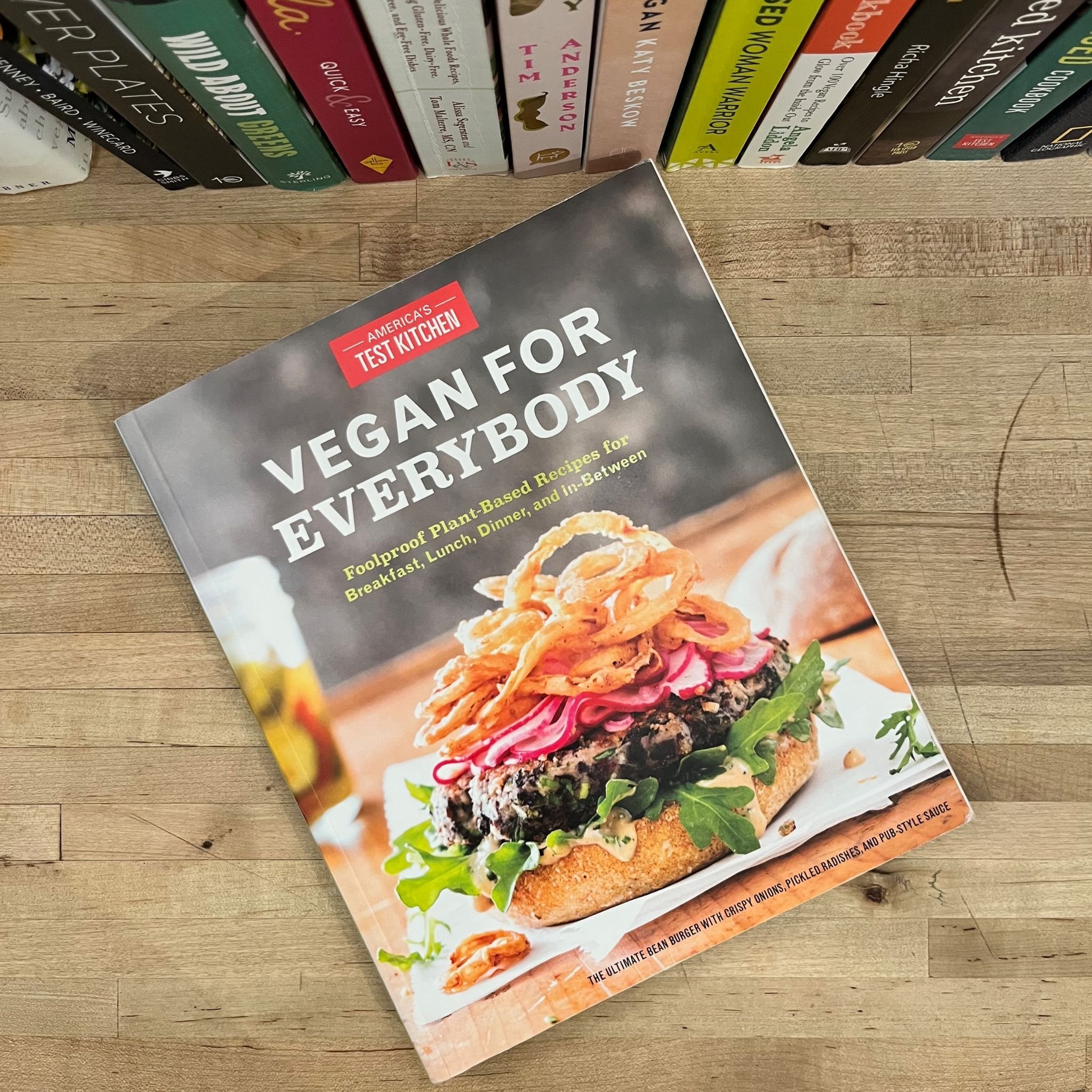
ATK Vegan for Everybody
A great place to start if you want solid, reliable plant-based recipes. America’s Test Kitchen is known for doing the work to make sure recipes actually taste great, and that’s one of the things I appreciate about this cookbook. The recipes are approachable, well-tested, and focused on building satisfying flavor, not just taking the meat out of a traditional dish.
If you're new to plant-based cooking or simply want a dependable collection of recipes to turn to, this is a great starter cookbook. ATK brings its usual attention to technique and flavor, which makes plant-based cooking feel approachable and genuinely delicious.
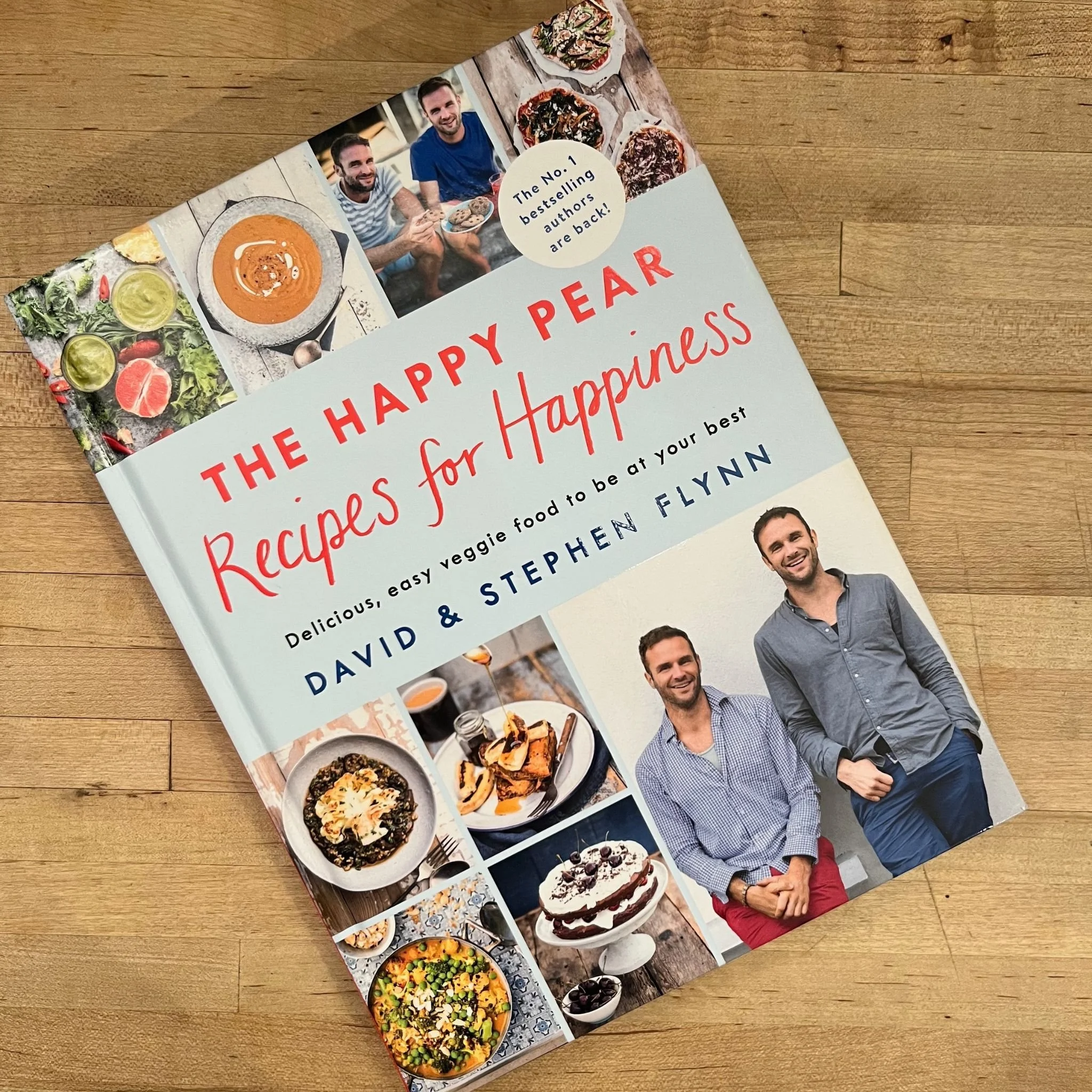
The Happy Pear: Recipes for Happiness
Approachable, delicious, and very doable. This is a great cookbook for getting more plant-based meals into your everyday cooking without making things complicated. It’s especially good for busy weeknights or easy Sunday lunch prep, with plenty of quick dinners, hearty meals, and familiar favorites with a plant-based twist.
And I really enjoy the Flynn brothers themselves. David and Stephen are knowledgeable, enthusiastic, and genuinely entertaining. Their “eat more veg” philosophy is practical rather than preachy, and their energy comes through in their recipes and teaching.
A great choice if you want plant-based food that feels approachable, flavorful, and fun.
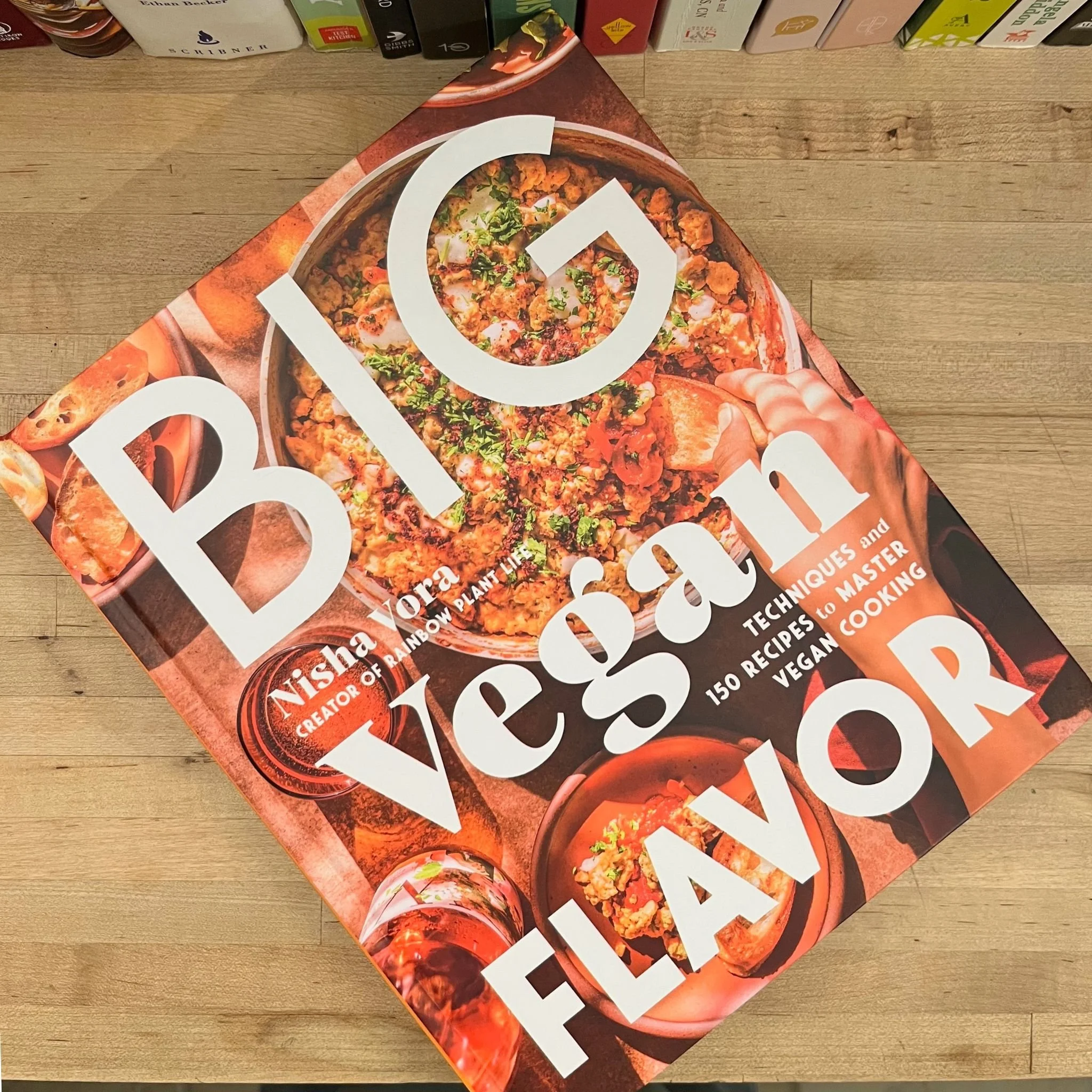
Big Vegan Flavor
A beautiful, inspiring cookbook for anyone who wants to make plant-based food seriously delicious. Nisha Vora brings a wealth of cooking knowledge to recipes that are bold, colorful, and packed with flavor. She shows you how to use spices, sauces, textures, and simple techniques to turn everyday ingredients into meals you’ll genuinely crave.
What I especially like is that this book feels both creative and approachable. You’ll find plenty of ideas to expand your plant-based cooking repertoire without feeling like you need to be a professional chef.
If you want to move beyond basic plant-based recipes and learn how to create food with big, memorable flavor, this is a great book to have on your shelf.
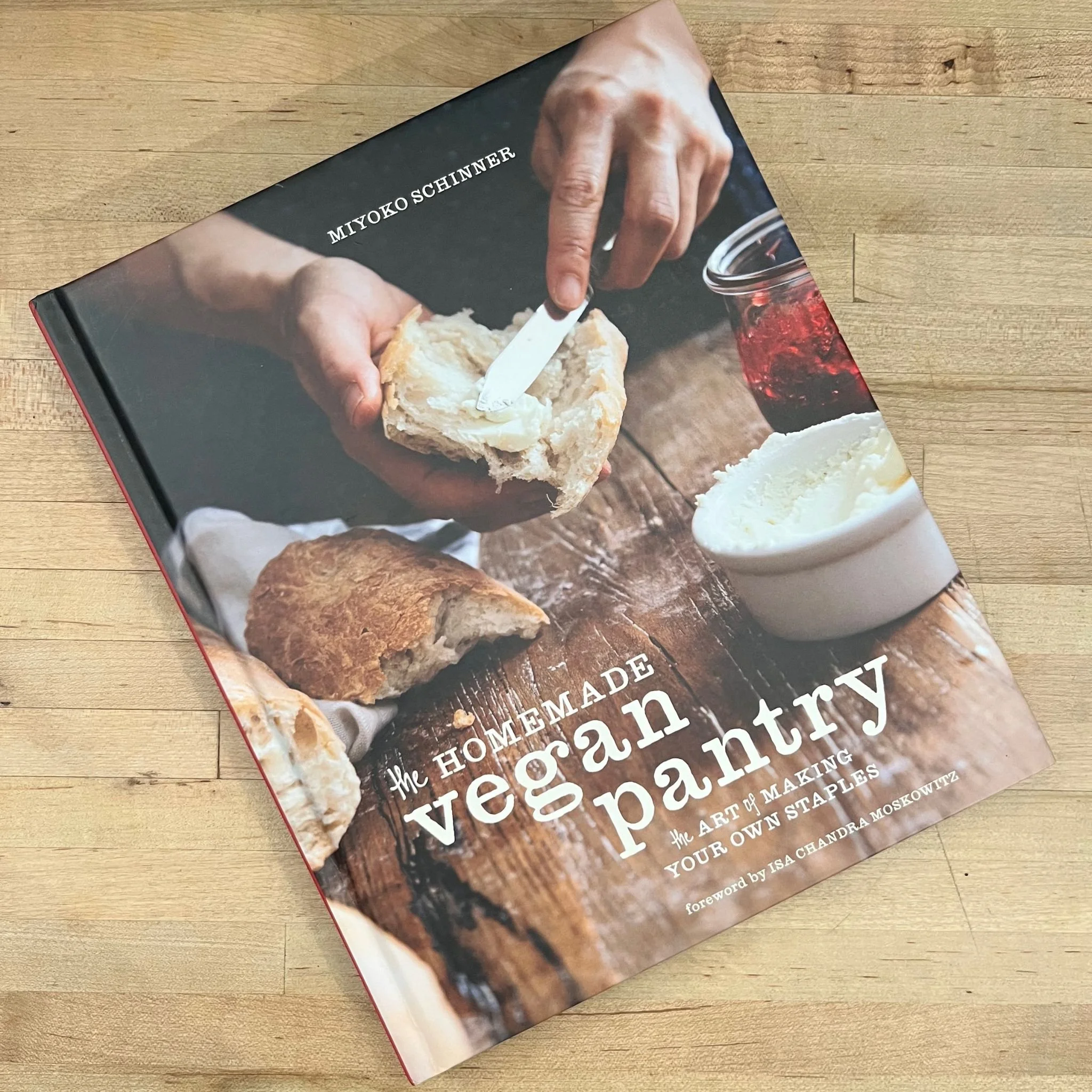
The Homemade Vegan Pantry
A great book for anyone who wants to make more of their own plant-based staples. Miyoko Schinner shows you how to make everything from vegan butter, cheese, yogurt, and mayonnaise to sauces, dressings, and other pantry basics. The recipes are creative but approachable, and you don't need a bunch of specialized equipment to get started.
What I love about this book is that it gets you thinking beyond simply buying plant-based substitutes. It's about learning how to make delicious, useful building blocks that you can use throughout your cooking. If you're someone who enjoys cooking from scratch, or wants to know exactly what's going into your pantry, this is a fun and genuinely useful addition to your cookbook shelf.
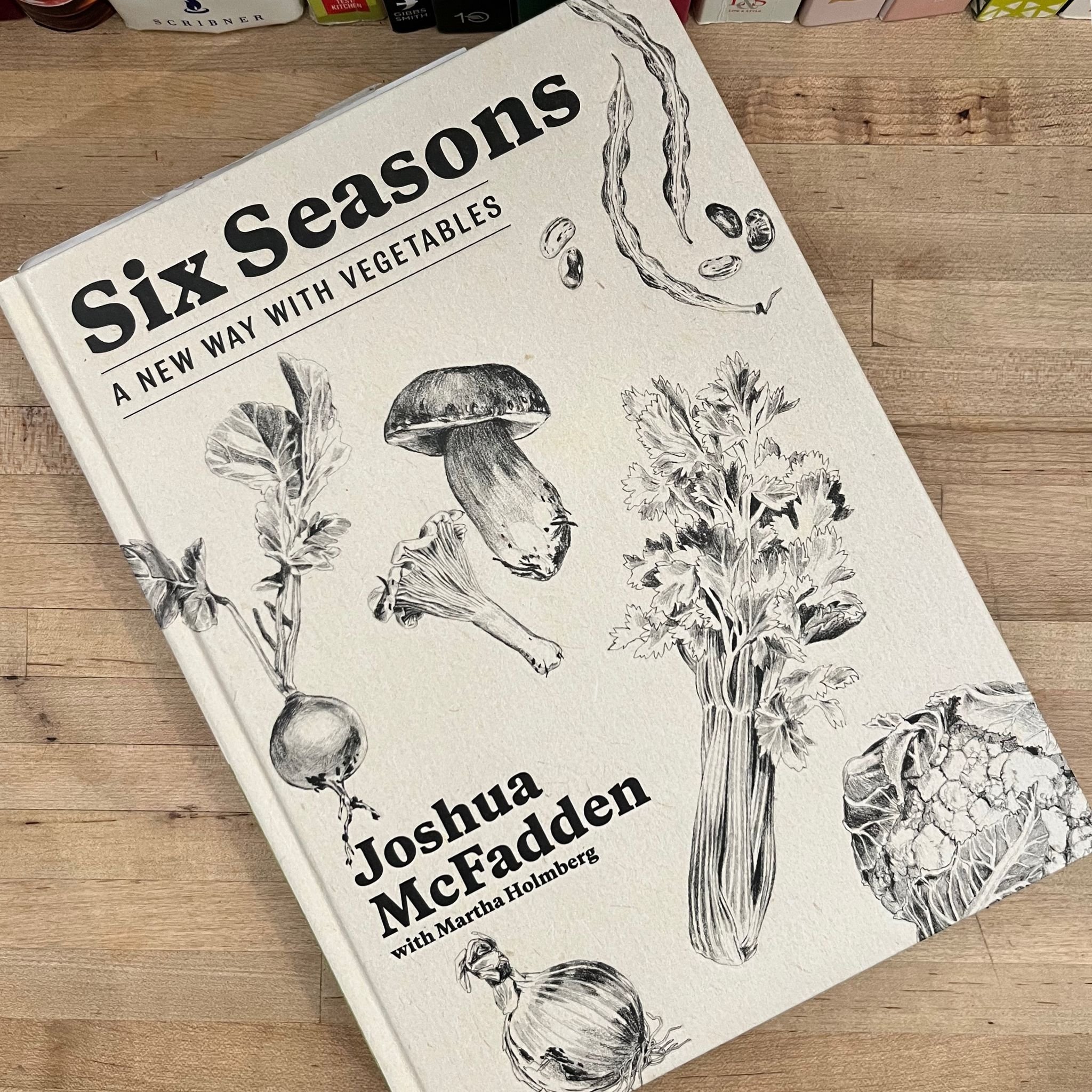
Six Seasons: A New Way with Vegetables
One of my all-time favorite books for learning how to cook with the seasons. Joshua McFadden completely changes the way you think about vegetables by breaking the year into six growing seasons, each with its own flavors, textures, and possibilities.
The recipes are creative but approachable, and they make vegetables the star without feeling overly complicated or fussy. I especially love how the book encourages you to cook with what's at its peak and use the same vegetable in different ways as the season progresses.
If you want to become a more confident, creative vegetable cook, this book will absolutely up your game. It's the kind of cookbook you'll keep reaching for when your garden or farmers market is overflowing with something delicious and you need fresh ideas for what to do with it.
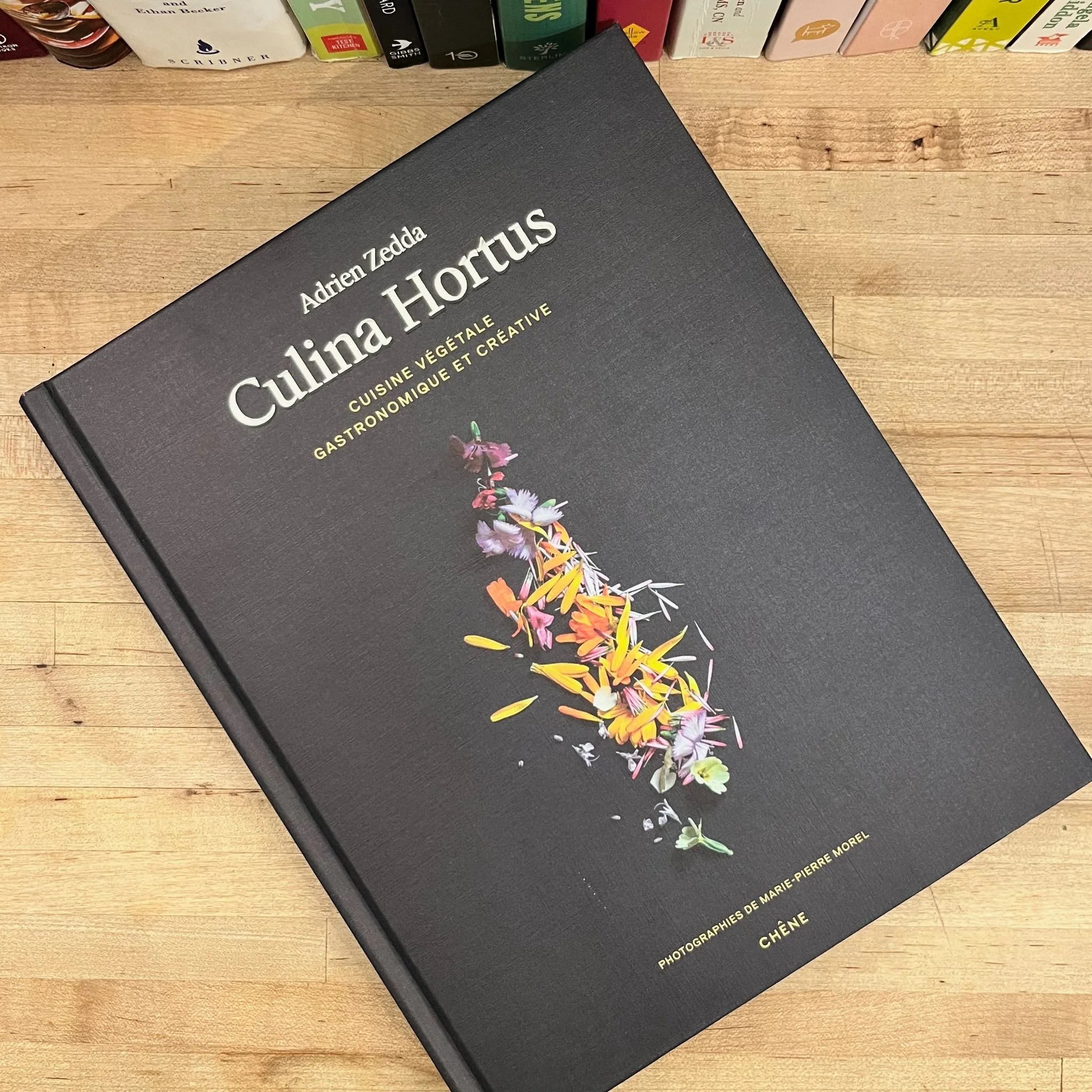
Culina Hortus: Cuisine végétale gastronomique et créative
Okay, yes, it’s in French. But if you want to knock your dinner guests’ socks off, this is seriously the source.Culina Hortus showcases the extraordinary possibilities of creative, plant-based fine dining, with beautifully composed dishes that treat vegetables as the stars of the plate.
This is less of an everyday cookbook and more of a source of inspiration and serious culinary eye candy. The techniques, flavor combinations, and presentation will push you to think differently about what plant-based food can be.
If you want to take your cooking to the next level. or just want to dream big about what vegetables can become, this is a masterpiece. And yes, you may need Google Translate. Totally worth it.
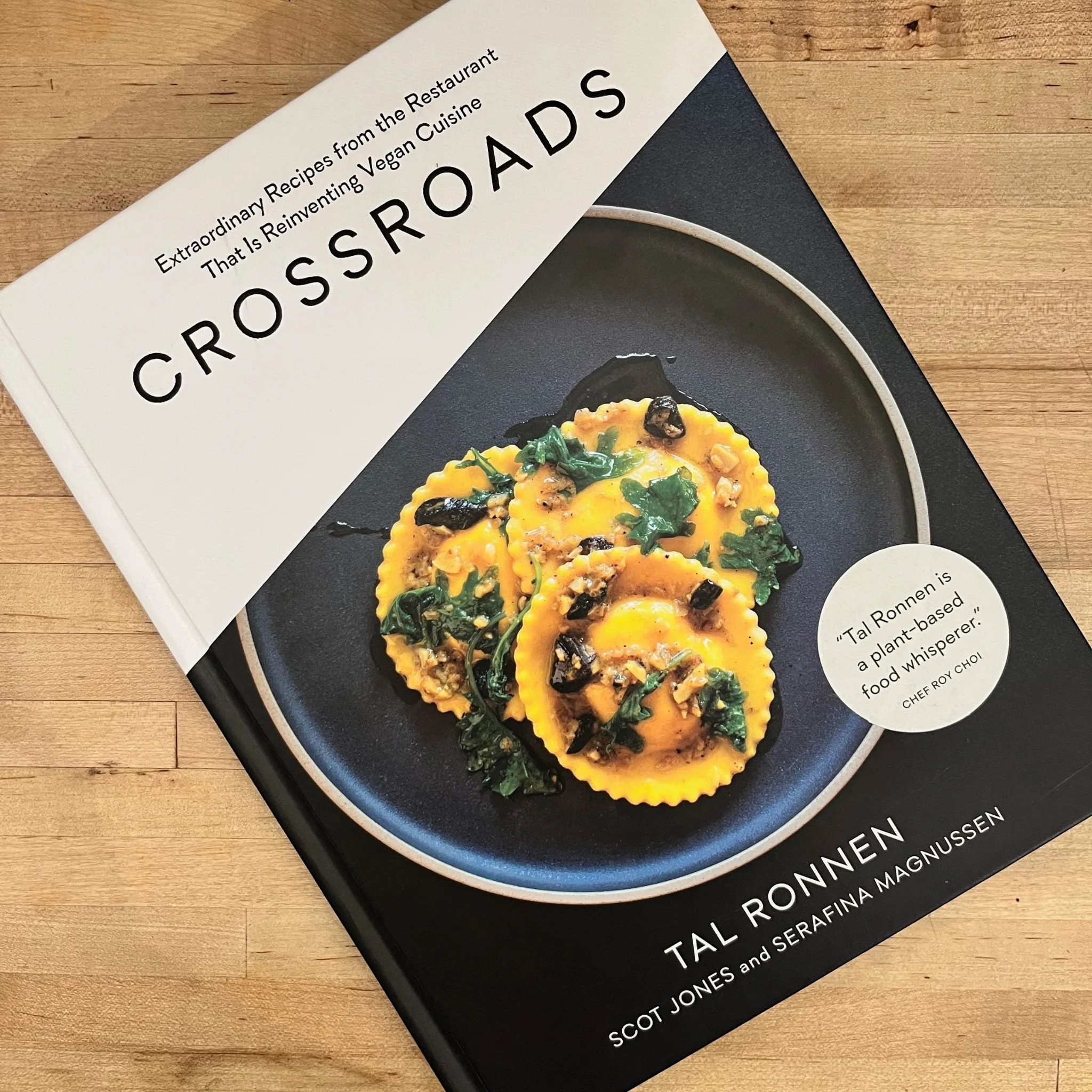
Crossroads: Extraordinary Recipes from the Restaurant That Is Reinventing Vegan Cuisine
Everything in this book is a masterpiece. Tal Ronnen's Crossroads is the kind of cookbook that will make you rethink what plant-based food can be. The recipes are sophisticated, deeply flavorful, and inspired by Mediterranean cooking, with vegetables, beans, nuts, and grains transformed into restaurant-worthy dishes.
This isn't “healthy vegan food” that asks you to settle for less. You'll up your game immediately. If you love cooking and want to learn how to create truly impressive plant-based food, this is one of the cookbooks I recommend most.
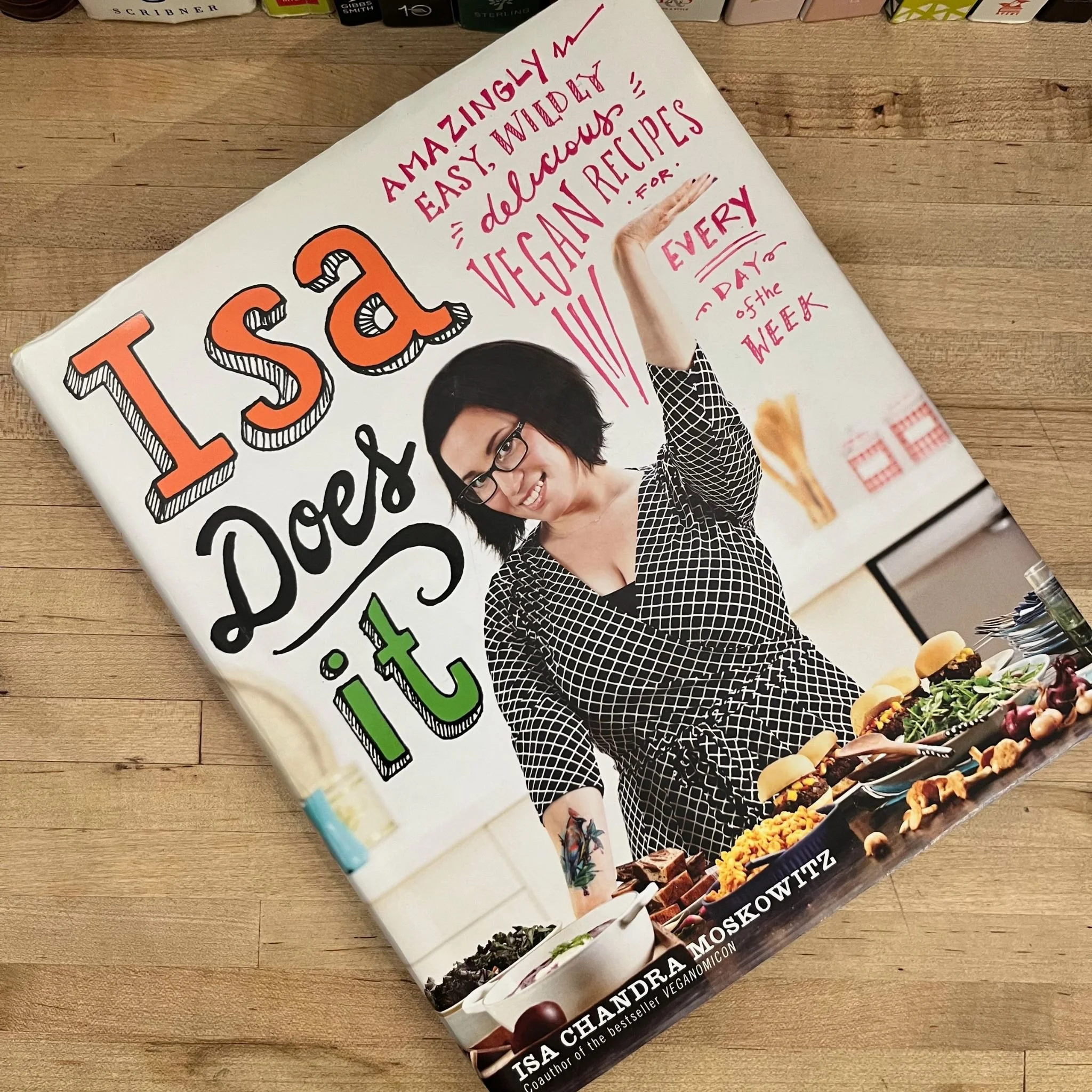
Isa Does It
A fantastic cookbook for everyday vegan cooking. Isa Chandra Moskowitz has a knack for making plant-based food feel approachable, fun, and seriously delicious. The recipes are flavorful and satisfying without requiring a long list of hard-to-find ingredients or complicated techniques.
This is a great book when you want real food you can actually make on a weeknight, from quick meals to hearty comfort food and everything in between. Isa's recipes are creative without being fussy, and she knows how to build big flavor from plants.
If you want vegan recipes that are easy enough for everyday cooking but never boring, this is a great one to have on your shelf.
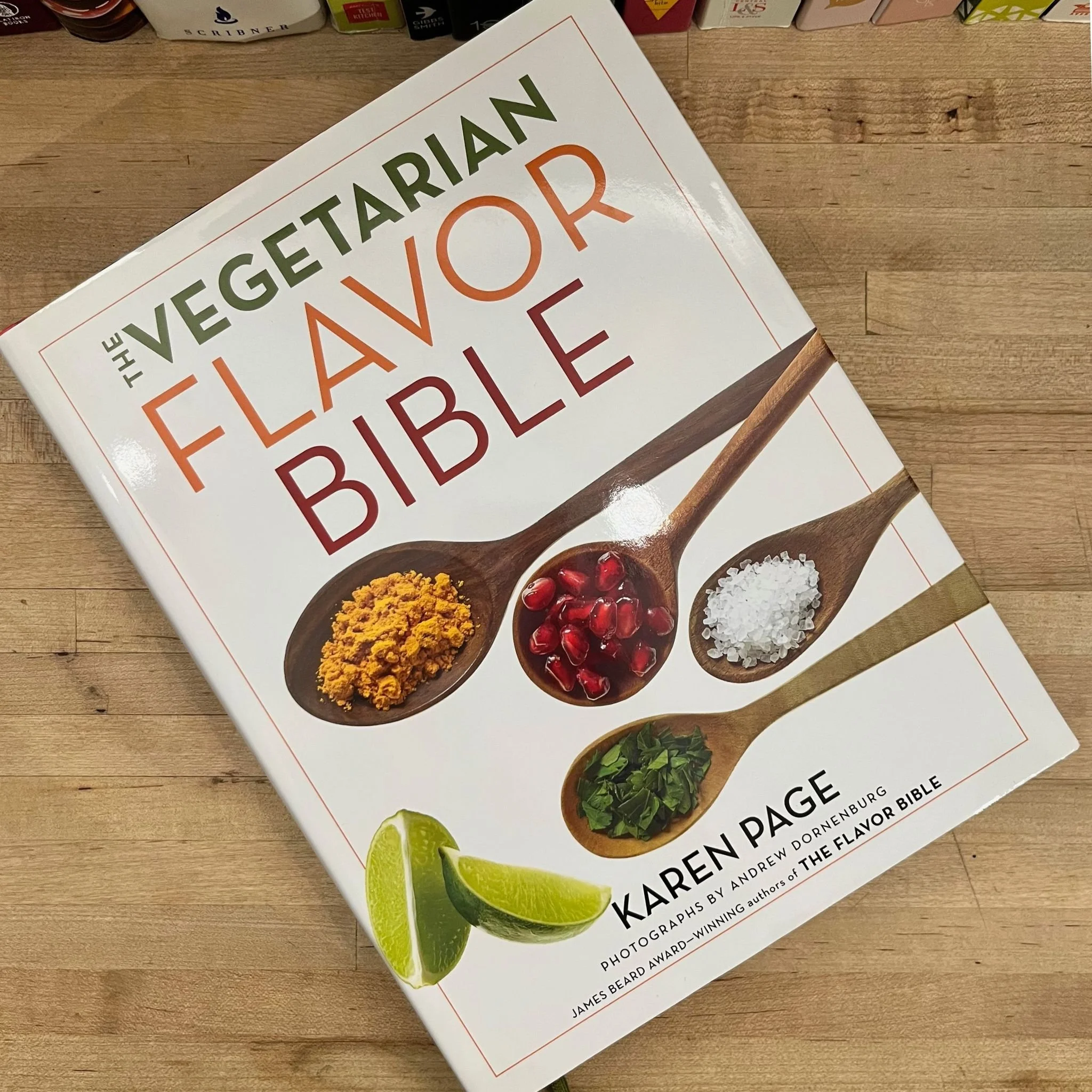
The Vegetarian Flavor Bible
This is the book I reach for when I have an ingredient and want to know, “What would go really well with this?” Rather than giving you recipes to follow, The Vegetarian Flavor Bible helps you understand how ingredients work together: vegetables, fruits, herbs, spices, grains, legumes, nuts, seeds, and more.
It's a fantastic resource for becoming a more intuitive and creative cook. Open it to an ingredient you're working with and you'll find flavor pairings, complementary ingredients, and ideas to get your wheels turning.
If you want to stop relying on recipes and start cooking more confidently from what you have on hand, this is a seriously useful book. It's especially valuable for anyone who loves farmers markets or growing their own food and wants to turn an unexpected haul into dinner.