What Japan Taught Me About Food, Intention, and Care
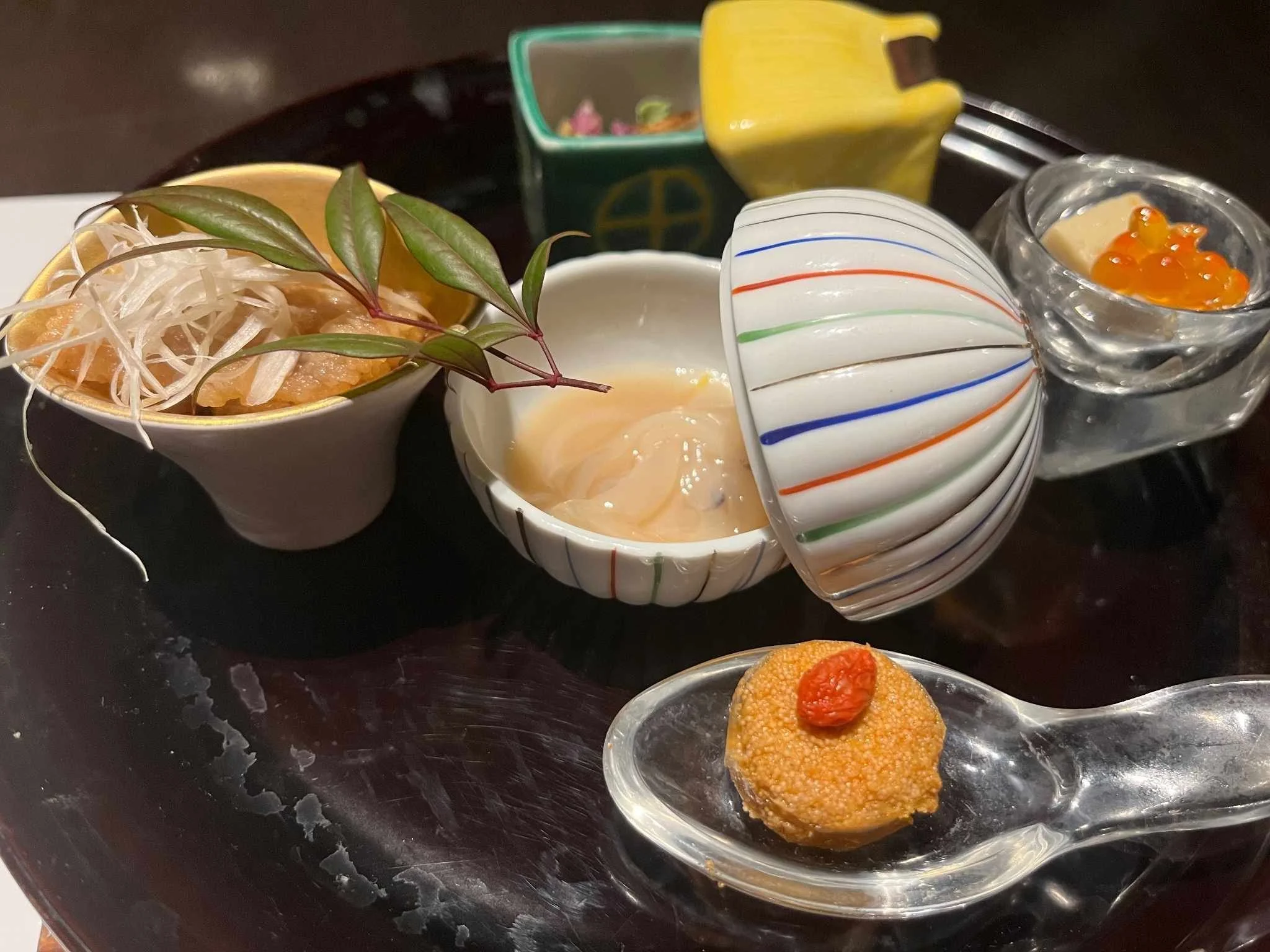
What struck me most was how plant-forward the meals were, with fish used thoughtfully and sparingly.
Travel has a way of recalibrating you. Japan did that for me in a quiet, profound way—not through spectacle, but through intention.
Everything felt considered. Thoughtful. Purposeful. From the way food was prepared and presented, to how people moved through shared spaces, to the deep respect shown for both effort and rest.
This wasn’t just a trip—it was a reminder of how powerful care can be when it’s woven into daily life.
Food as an Act of Respect
One of the most striking things about eating in Japan was the reverence for food.
Meals weren’t rushed or oversized. Plates weren’t cluttered. Each element had a place and a reason for being there. Even the simplest meals were beautiful—not for show, but because beauty is part of the experience of eating well.
Food felt like:
An act of respect for ingredients
A conversation between the cook and the eater
Something to be appreciated, not consumed mindlessly
This aligns deeply with how I think about plant-forward cooking: food doesn’t need to be complicated to be meaningful. It needs intention.
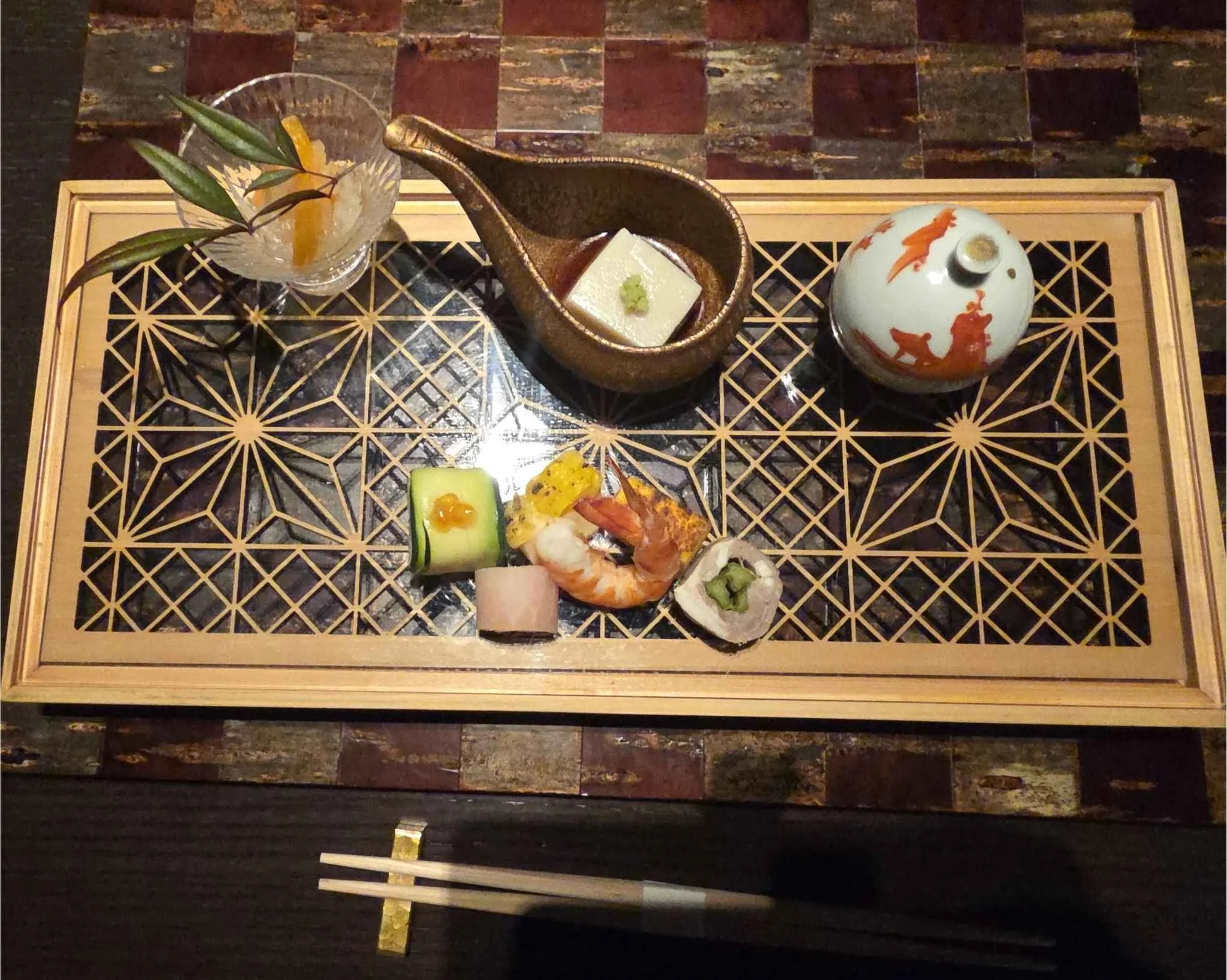
Food styling at its best.
Presentation That Slows You Down
Japanese food presentation quietly invites you to pause.
Colors are balanced. Portions are modest. There’s space on the plate. That space matters—it gives your eyes and nervous system room to settle before the first bite.
This slowing down changes how you eat:
You notice texture and flavor
You stop when you’re satisfied
You leave the table feeling steady, not overfull
It reinforced something I often share with clients: how you eat is just as important as what you eat.
Kindness as a Cultural Practice
What stayed with me just as much as the food was the kindness.
Not performative. Not rushed. Just steady, quiet consideration—for strangers, for shared spaces, for daily rituals.
There’s a collective sense of responsibility that shows up in small ways:
Clean, orderly environments
Respectful silence where appropriate
Thoughtful service without expectation
It made me think about how kindness itself can be a form of wellness—reducing friction, stress, and overwhelm.
Shima Onsen: Rest as Restoration
Our time in Shima Onsen felt like stepping into another rhythm entirely.
The hot springs weren’t about indulgence—they were about restoration. Soaking wasn’t rushed. Silence was welcome. Time slowed.
Hot springs have long been used in Japan to support:
Stress reduction
Circulation
Muscle relaxation
Nervous system regulation
But beyond the physical benefits, what struck me most was the cultural permission to rest without guilt.
Rest wasn’t something you earned. It was something you practiced.
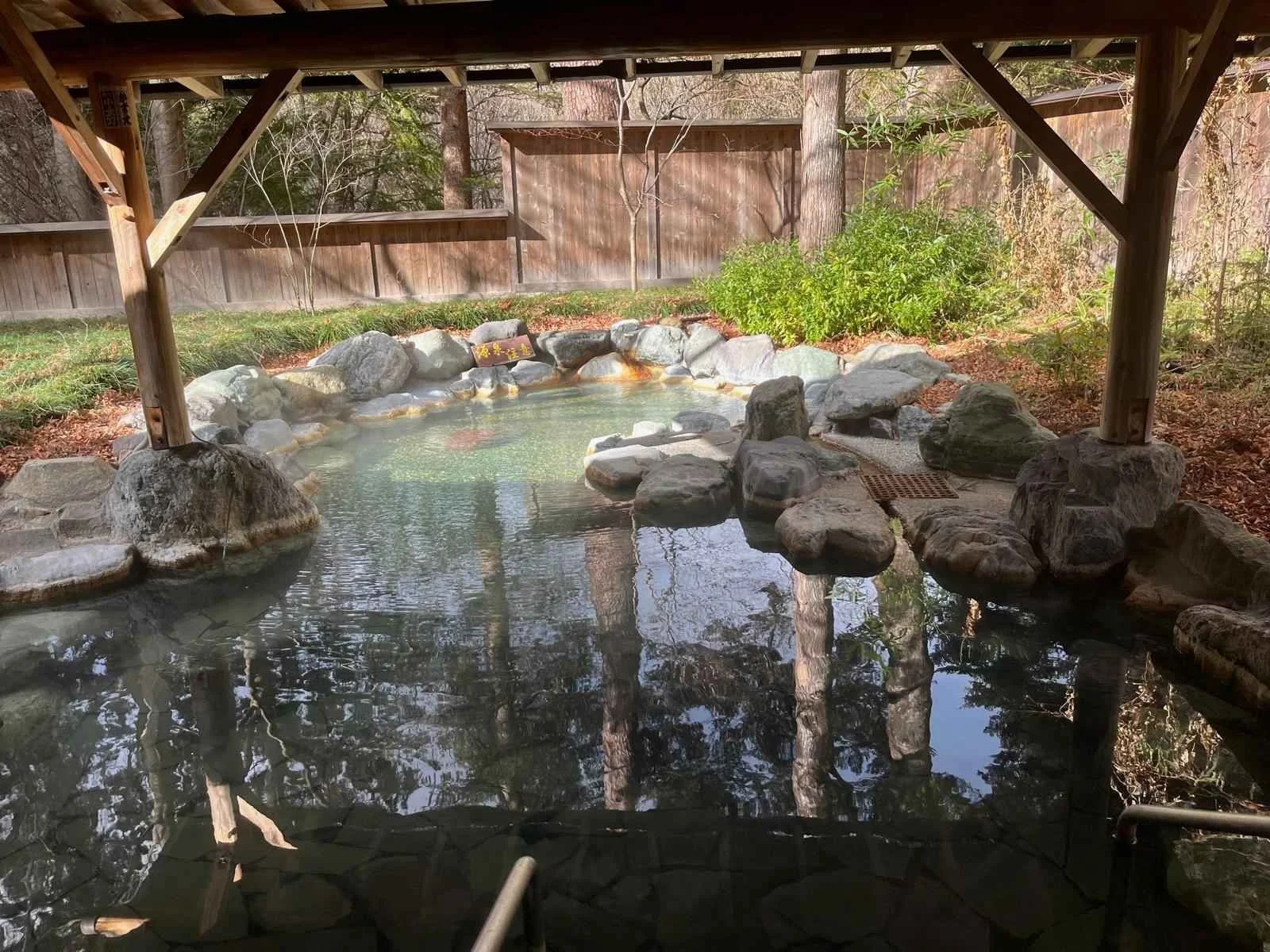
Sekizenkan, Shima Onsen
What I’m Bringing Home With Me
Japan reminded me that health isn’t just nutrients and movement—it’s also:
Slowness
Care
Presentation
Respect
Rest
These ideas continue to shape how I approach food, teaching, and daily life.
Whether I’m preparing a simple meal, guiding someone through a shift in how they eat, or designing an experience around food, I keep coming back to the same question:
How can this feel more considered? More beautiful? More human?
That’s a lesson I’ll carry long after the jet lag fades.
Why This Matters to My Work
This trip reinforced why I do what I do—helping people reconnect with food in a way that feels grounded, thoughtful, and sustainable.
Eating well doesn’t need to be extreme.
It needs to be thoughtful, satisfying, and rooted in care.