🌱 How Plant-Based Eating Supports Heart Health
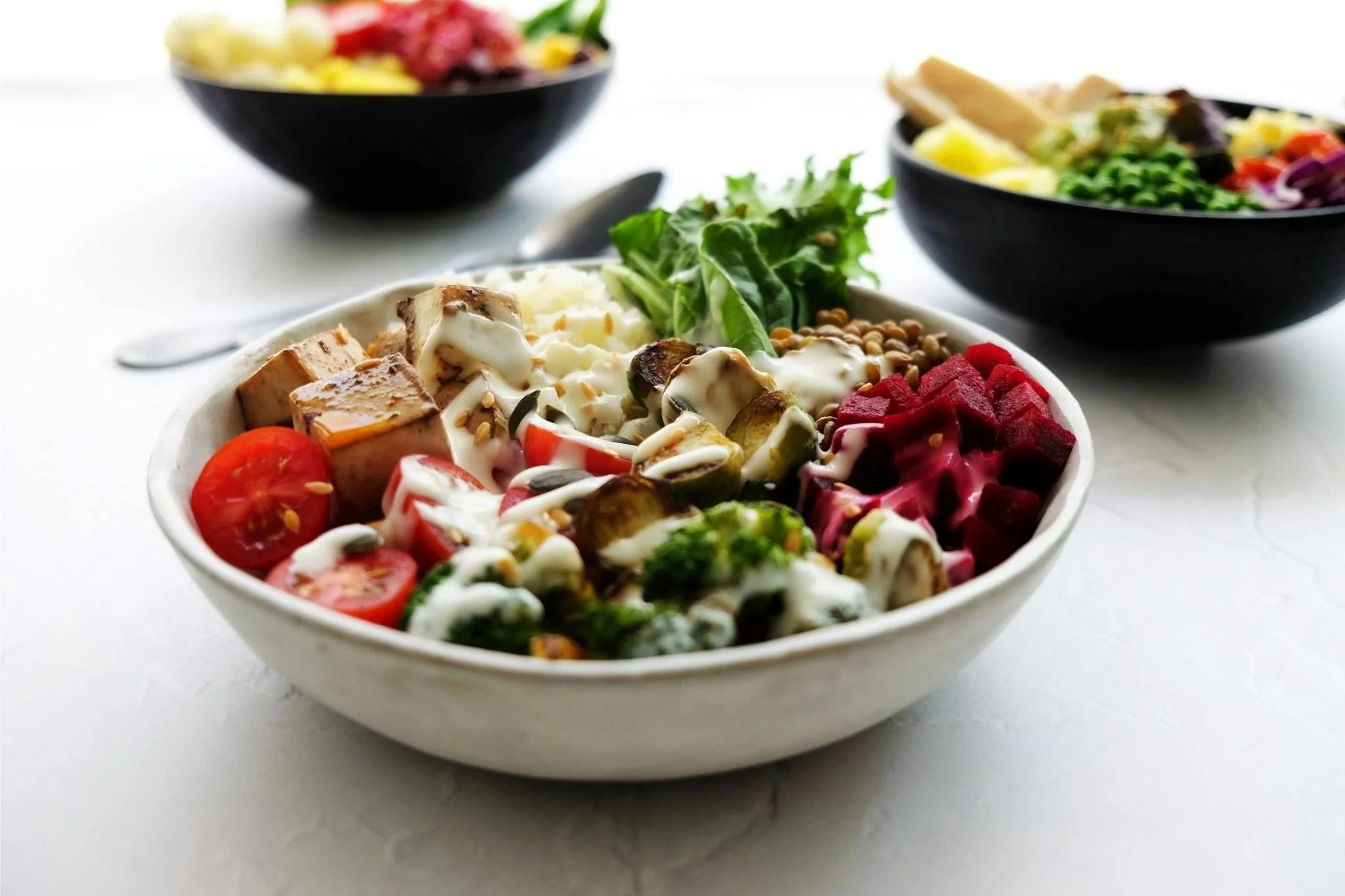
A colorful bowl of delicious heart-healthy ingredients.
February is American Heart Month.
Heart disease is the leading cause of death in the United States. That sounds scary—but here’s the empowering part:
Many of the biggest risk factors for heart disease are directly influenced by what we eat every day.
The foods you put on your plate can help lower cholesterol, reduce inflammation, stabilize blood pressure, and support a healthy weight. And one of the most effective, evidence-backed ways to do all of that is through a whole-foods, plant-based way of eating.
Let’s break down exactly why.
Why Food Matters So Much for Your Heart
Your heart and blood vessels are constantly responding to your daily habits. Over time, diets high in saturated fat, processed foods, and added sugars can contribute to:
High cholesterol
High blood pressure
Chronic inflammation
Plaque buildup in arteries
Increased risk of heart attack and stroke
On the flip side, diets rich in vegetables, fruits, whole grains, beans, nuts, and seeds actively work to protect and heal your cardiovascular system.
Plant-based eating isn’t about deprivation—it’s about giving your body more of what it truly needs.
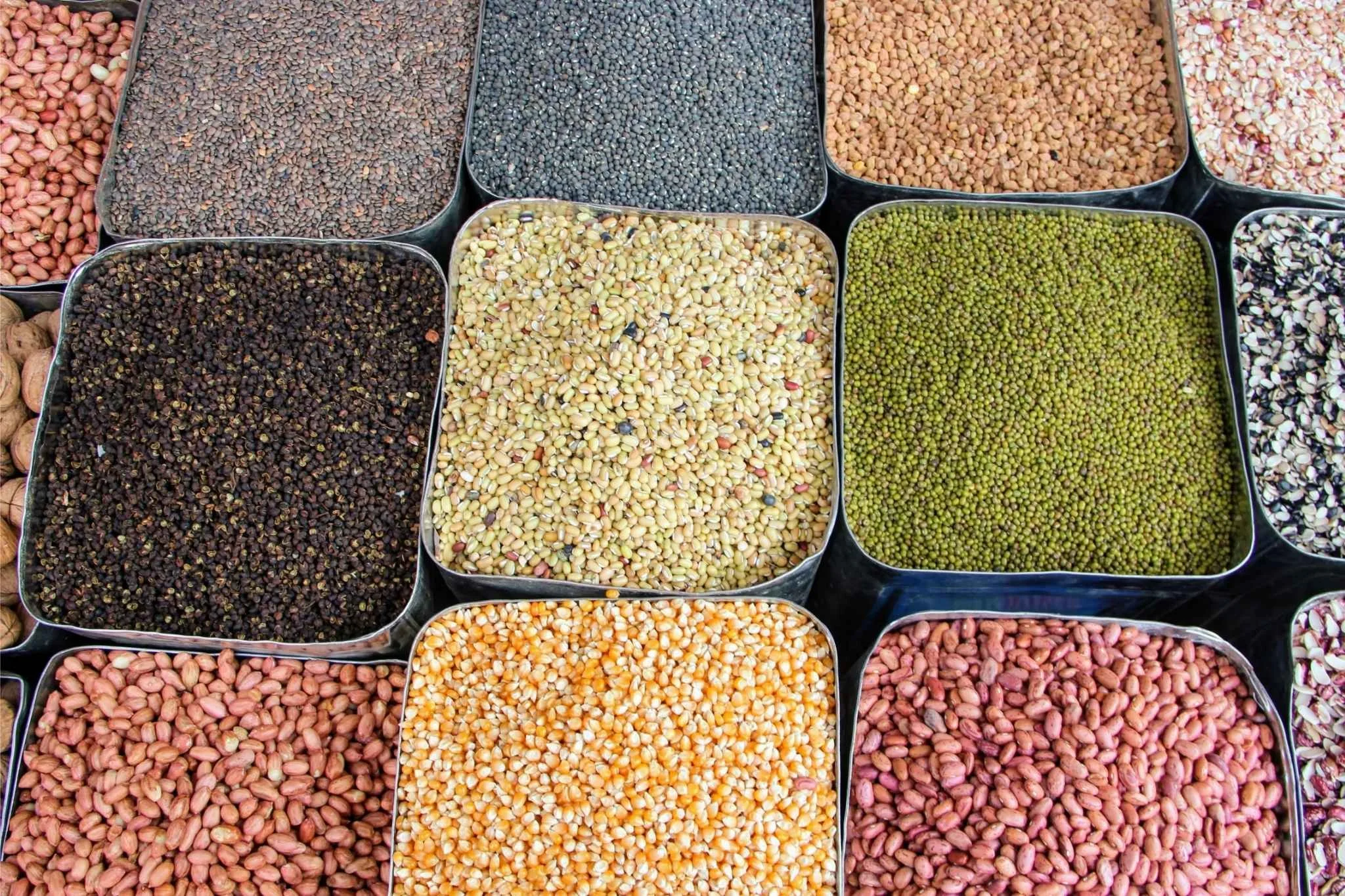
Beans and lentils in a rainbow of colors, packed with fiber, protein, and disease-fighting nutrients.
5 Powerful Ways Plant-Based Eating Protects Your Heart
1. It Naturally Lowers Cholesterol
Animal products like meat, dairy, and eggs contain dietary cholesterol and saturated fat—two major contributors to elevated LDL (“bad”) cholesterol.
Plant foods contain zero cholesterol.
Even better, they’re rich in soluble fiber, which actually helps remove excess cholesterol from your bloodstream. Foods like oats, beans, lentils, apples, and flaxseeds act like tiny scrub brushes for your arteries.
Over time, this can lead to meaningful improvements in your cholesterol numbers—without a single pill. (That said, always work with your doctor if you’re changing your diet, and stay on your meds that are recommended by your doctor).
2. It Helps Control Blood Pressure
High blood pressure puts constant strain on your heart and blood vessels.
Plant-based diets are naturally:
Lower in sodium
Higher in potassium
Rich in magnesium and antioxidants
These nutrients help relax blood vessels and improve circulation.
When you swap processed and animal-based foods for whole plant foods, many people see their blood pressure begin to normalize—often within weeks.
3. It Reduces Inflammation
Chronic inflammation is a hidden driver behind heart disease.
Colorful plant foods are loaded with anti-inflammatory compounds:
Phytonutrients
Antioxidants
Polyphenols
Omega-3s from walnuts, chia, and flax
These compounds help calm inflammation throughout the body, protecting your arteries from damage.
A plant-focused plate is essentially a daily dose of natural medicine.
4. It Supports a Healthy Weight—Without Dieting
Excess body weight is a major risk factor for heart disease. But traditional “diets” often leave people hungry and frustrated.
Whole plant foods are:
High in fiber
High in nutrients
Naturally lower in calories
Very filling
This makes it much easier to reach and maintain a healthy weight—without counting calories or feeling deprived.
You get to eat satisfying portions while gently supporting your heart at the same time.
5. It Improves Overall Blood Vessel Health
Plant-based diets improve what’s called endothelial function—the ability of your blood vessels to relax and expand.
Healthy arteries mean:
Better circulation
Lower risk of clots
Less plaque buildup
Improved oxygen delivery
Think of it as keeping the “plumbing” of your body clean and flexible.
What a Heart-Healthy Plant-Based Plate Looks Like
You don’t need fancy superfoods or complicated recipes.
A heart-supporting day of eating might include:
Oatmeal with berries and flaxseed
A big salad with beans and a simple vinaigrette
A veggie and lentil soup
Whole-grain bowls with roasted vegetables
Fruit, nuts, or hummus as snacks
It’s colorful, satisfying, and full of flavor—exactly what I love to share here at Harvesting Flavor.
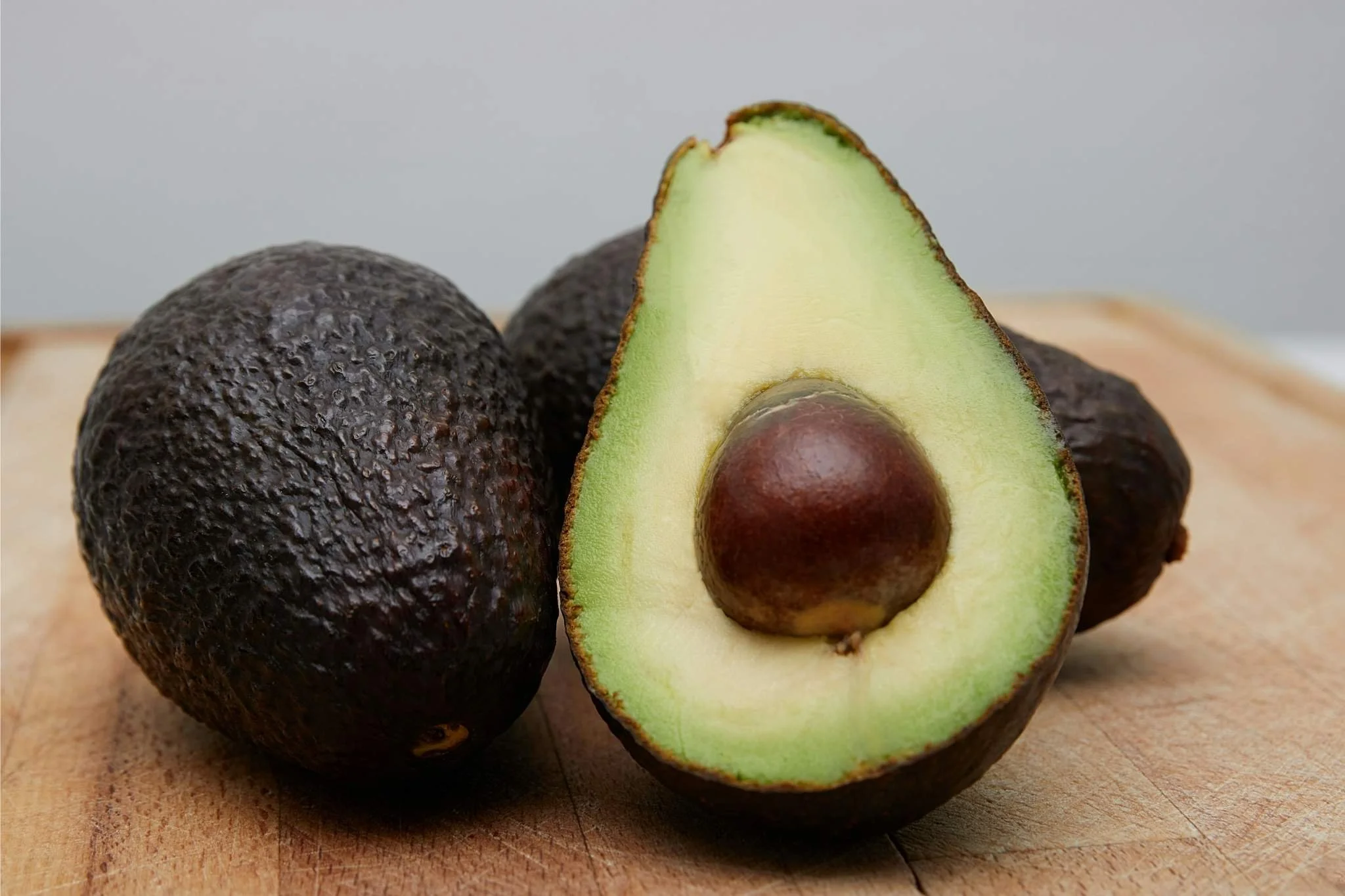
Avocados: a delicious way to add creamy texture and heart-supportive fats to plant-based meals.
Small Changes, Big Impact
You don’t have to become “perfectly plant-based” overnight to see benefits.
Start with simple swaps:
Beans instead of meat a few times a week
Olive oil-free dressings
Whole grains instead of refined grains
More vegetables on every plate
Each step you take toward more whole plant foods is a step toward a healthier heart.
From the Earth to Your Table—and Straight to Your Heart
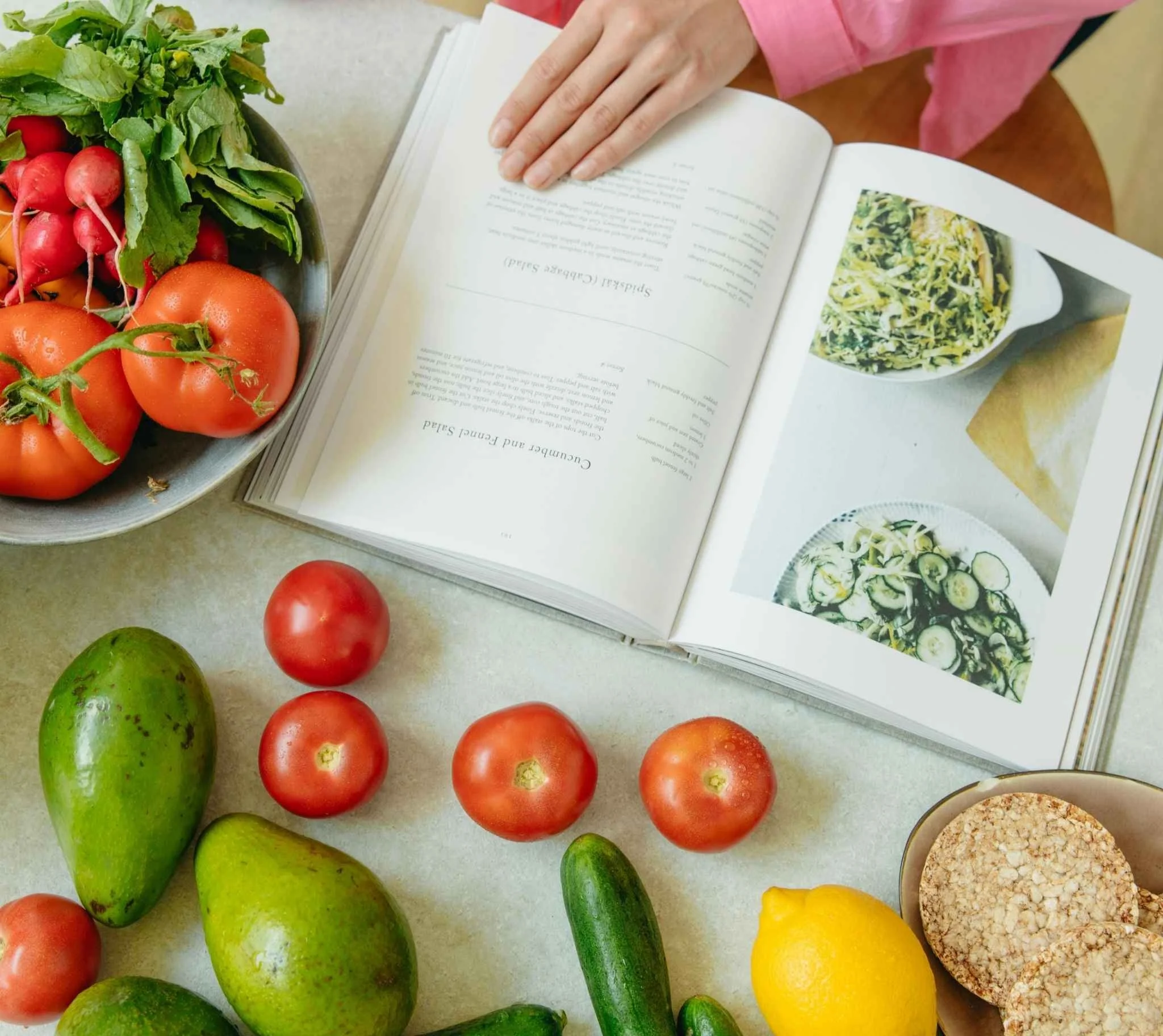
There’s an endless variety of meals to make with colorful produce. Pick something that looks good and try it!
Caring for your heart doesn’t have to be complicated. It can be as joyful as trying a new recipe, visiting a winter farmers market, or filling your plate with vibrant, nourishing foods.
That’s the philosophy behind Harvesting Flavor: food that supports your health and tastes amazing.
Want Support Getting Started?
If you’d like help turning this information into practical, everyday meals, I’d love to help.
I offer:
Plant-based coaching
Pantry clean-outs
Personalized meal ideas
Talks and workshops on heart-healthy eating
Your heart works hard for you every day. Let’s take good care of it—deliciously.
💚
Jill
American Heart Association. Eating a Plant-Based Diet at Any Age May Lower Cardiovascular Risk. https://www.heart.org/en/news/2021/08/04/eating-a-plant-based-diet-at-any-age-may-lower-cardiovascular-risk August 4, 2021
Emily Moskal. Twin research indicates that a vegan diet improves cardiovascular health. https://med.stanford.edu/news/all-news/2023/11/twin-diet-vegan-cardiovascular.html. November 30, 2023
Philip J Tuso 1, Mohamed H Ismail, Benjamin P Ha, Carole Bartolotto. Nutritional update for physicians: plant-based diets. https://pubmed.ncbi.nlm.nih.gov/23704846/. Spring 2013