Fats: Essential and Misunderstood
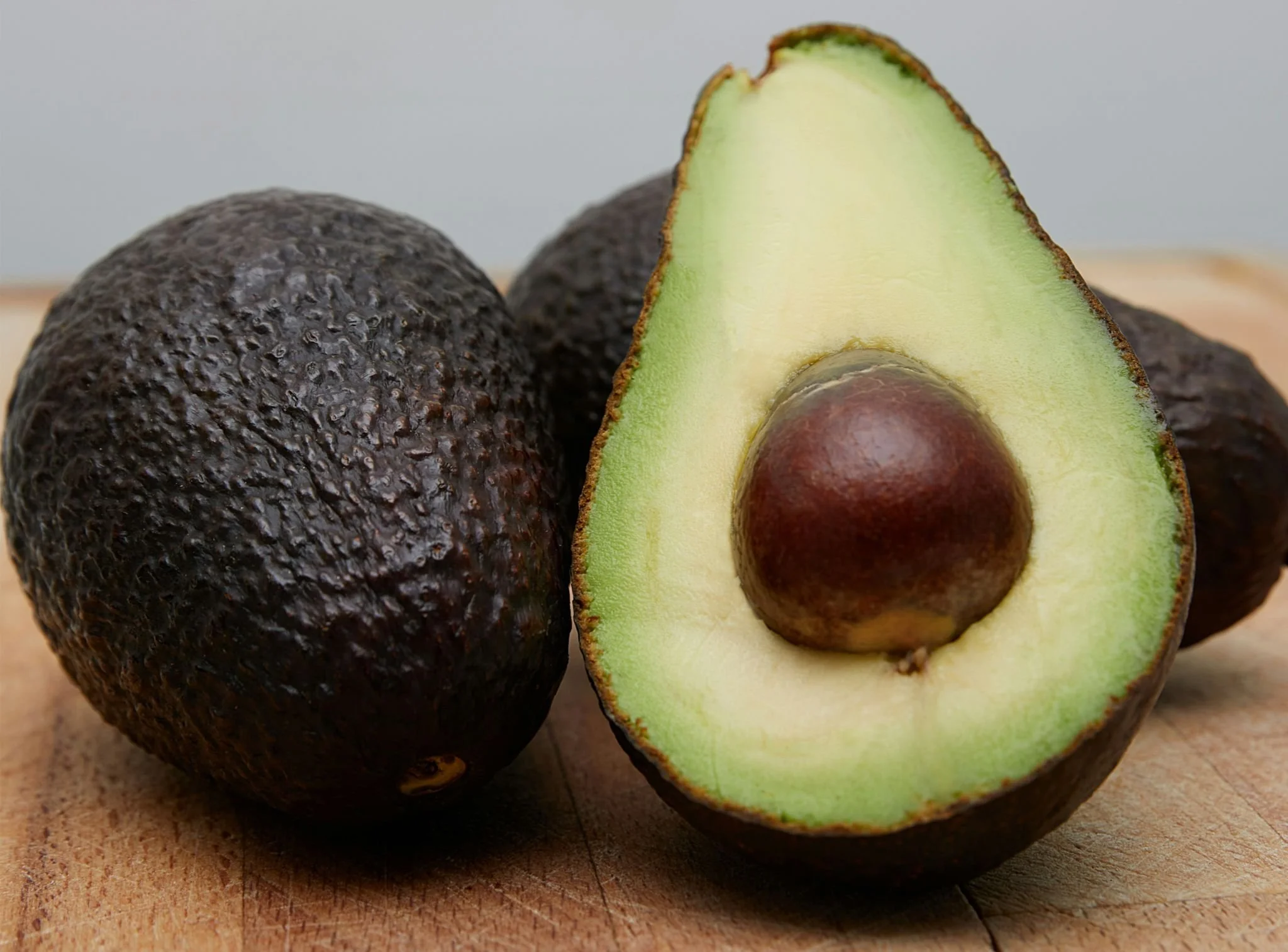
Sliced avocado
For years, fats were painted as the villain—blamed for weight gain, heart disease, and just about every health issue under the sun. But the truth? Healthy fats are essential. Your body can’t function without them, and they play a powerful role in hormone balance, brain health, satiety, and the absorption of key nutrients.
And you can get all the healthy fats you need from whole, plant-based sources—even if you prefer to avoid oils.
Let’s break it down.
Why Healthy Fats Matter
💛 Hormone Balance
Fats are the building blocks of hormones. Without enough dietary fat, your body struggles to:
regulate reproductive hormones
maintain stable mood and energy
produce anti-inflammatory compounds
Consistent intake of healthy fats supports hormone harmony, especially for women navigating perimenopause, menopause, or high stress.
🧠 Brain Health & Cognitive Support
Your brain is nearly 60% fat, so it’s no surprise that healthy fats are crucial for:
memory and learning
mood regulation
protecting brain cells
reducing inflammation in the nervous system
Omega-3 fatty acids in particular support long-term cognitive health and may help reduce cognitive decline.
🥗 Nutrient Absorption
Vitamins A, D, E, and K are fat-soluble—meaning your body can’t absorb them without fat.
Even a small amount of fat with your vegetables improves nutrient uptake dramatically.
This is one reason I’m a fan of whole food fats: they come packaged with antioxidants, fiber, and minerals you won’t get in isolated oils.
Saturated Fats vs. Plant-Based Fats: What’s the Difference?
Not all fats behave the same way in the body. Understanding the difference between saturated fats and plant-based unsaturated fats can help you make choices that support heart health, hormone balance, and long-term wellness.
❤️ Saturated Fats (Mostly from Animal Products)
Predominantly found in:
meat
dairy
eggs
butter
coconut oil (a plant-based exception)
High intake of saturated fat has been linked to:
increased LDL (“bad”) cholesterol
higher inflammation
greater risk of heart disease
insulin resistance
For women concerned with breast health, excess saturated fat may raise estrogen levels and inflammation—both connected to increased breast cancer risk in some studies.
💚 Plant-Based Fats (Unsaturated Fats)
Plant foods naturally contain unsaturated fats, which tend to lower inflammation and support overall health. These fats appear in:
nuts
seeds
avocados
olives
whole soy foods
whole grains
Unsaturated fats can:
reduce LDL cholesterol
nourish the brain
enhance hormone balance
improve blood sugar control
support cardiovascular health
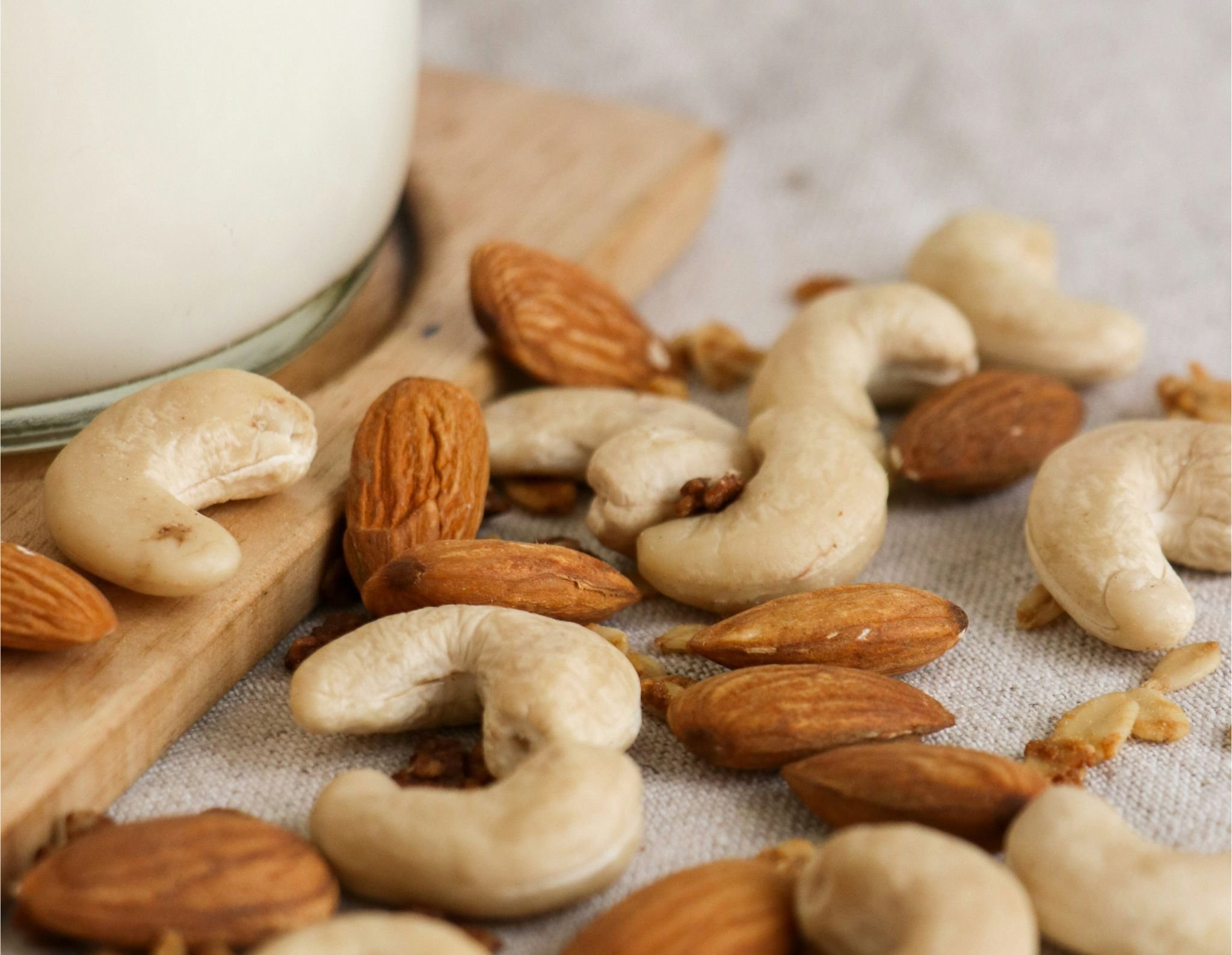
Raw nuts
🌱 Why Plant-Based Fats Are Protective
Plant-based fats are uniquely beneficial because they:
✔ contain no dietary cholesterol
✔ come with fiber that stabilizes blood sugar
✔ provide phytonutrients and antioxidants
✔ lower inflammation
✔ support long-term metabolic and heart health
This whole-food package is one reason plant-based eating is linked to reduced chronic disease risk, including cardiovascular disease and certain cancers.
🥥 A Note on Coconut
Coconut products contain high levels of saturated fat. You don’t need to avoid them entirely—but consider them a “sometimes food,” especially if you’re prioritizing heart or breast health.
Best Plant-Based Sources of Healthy Fats
You can get all the fats you need from whole, plant-based foods—without relying on processed oils.
🥑 Avocado
Rich in monounsaturated fats that support heart health and hormones.
Great in salads, bowls, dips, or blended into dressings.
🌰 Nuts (Almonds, Walnuts, Pecans, Cashews)
Walnuts are highest in omega-3s
Almonds are packed with vitamin E
Cashews make creamy sauces and soups
A small handful daily supports brain, skin, and metabolic health.
🌻 Seeds (Chia, Flax, Hemp, Pumpkin, Sunflower)
Seed fats are anti-inflammatory and nutrient-dense.
Flax + chia = highest ALA omega-3
Hemp = great source of protein and fats
Pumpkin = excellent source of zinc and magnesium
Add them to oatmeal, smoothies, soups, salads, and baked goods.
🫒 Olives
Whole olives provide healthy fats plus fiber and antioxidants—far more benefits than isolated olive oil. Perfect as snacks, toppings, or blended into spreads.
Oil-Free Options (Yes, You Can Still Get Enough Fat!)
If you're oil-free or simply reducing processed fats, try these whole-food alternatives:
Avocado in place of mayo or creamy dressings
Avocado in place of oil in pestos
Tahini for dressings and sauces
Nut and seed butters for added creaminess
Blended raw cashews for soups and dips
Hemp seeds sprinkled over bowls
Olive tapenade in place of oil
These options provide nourishment, flavor, and satiety—without the downsides of refined oils.
How Much Fat Do You Need?
There’s no need to track grams of fat or hit a strict percentage each day. Modern nutrition focuses far more on the quality of your fats than the quantity. Aim for whole-food fat sources, keep saturated fat low, and include omega-3 rich foods like walnuts, chia or flax.
Final Thoughts
Fats are not the enemy—they’re essential. Choosing whole-food, plant-based fats supports your brain, hormones, mood, metabolism, and long-term health.
And… they make food delicious.
From creamy avocado to crunchy walnuts to rich tahini dressings, healthy fats elevate flavor and satisfaction in a plant-forward diet.
Thanks for exploring the benefits of fats. If you’re curious how to incorporate healthy fats into your repertoire, get in touch about a Chop & Chat session!
References
Harvard T.H. Chan School of Public Health. Fats and Cholesterol: The Good, the Bad, and the In-Between. https://www.hsph.harvard.edu/nutritionsource/types-of-fat/. Published 2025.
American Heart Association. Saturated Fat. https://www.heart.org/en/healthy-living/healthy-eating/eat-smart/fats/saturated-fats. Published 2025.
National Institutes of Health, Office of Dietary Supplements. Omega-3 Fatty Acids. https://ods.od.nih.gov/factsheets/Omega3FattyAcids-Consumer/. Published 2025.