The Complete Guide to Beans, Lentils & Legumes: Plant-Based Protein Powerhouses
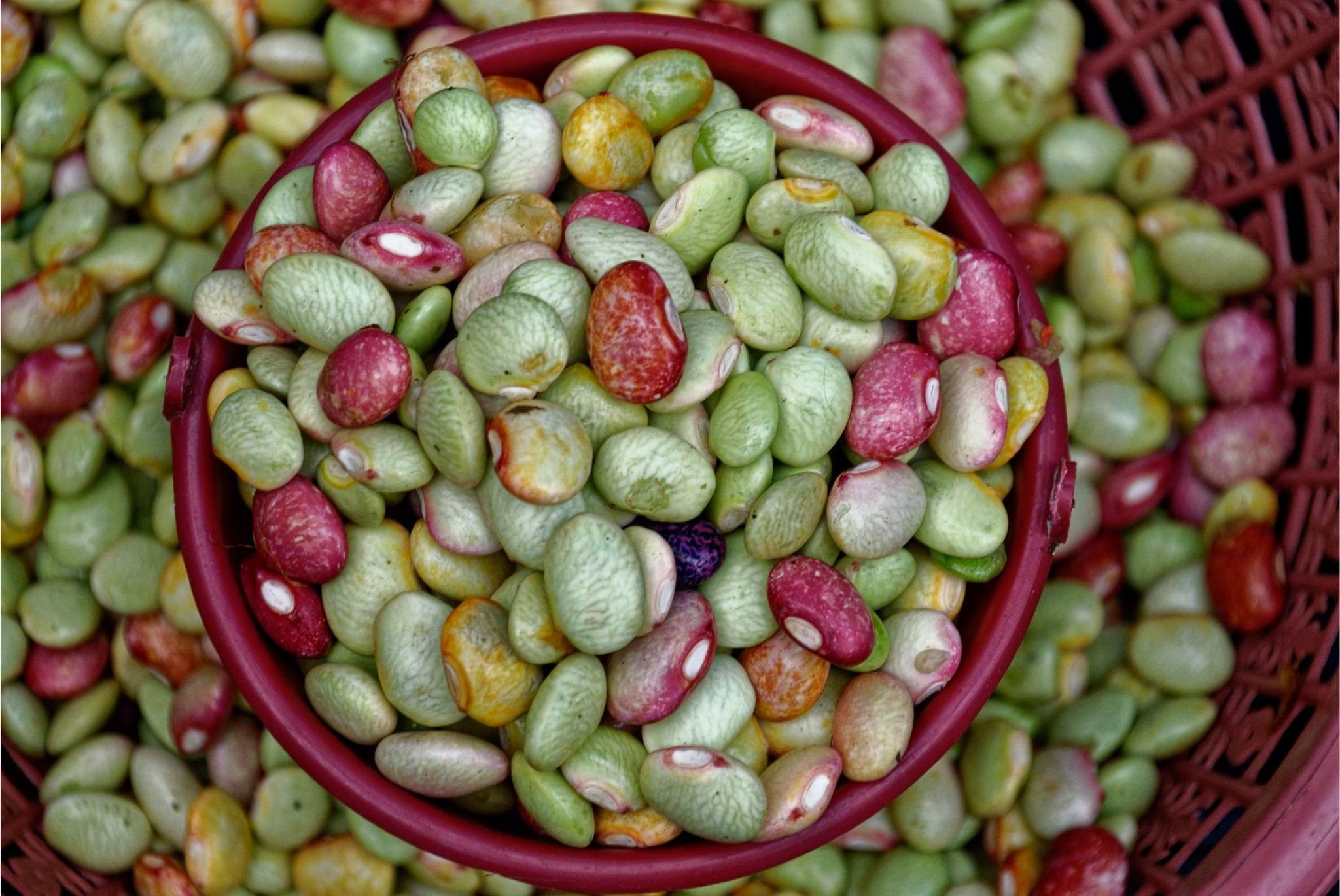
Assorted beans.
If there is one category of food that deserves a permanent spot in your kitchen, it’s beans and legumes.
Affordable, versatile, nutrient-rich, and incredibly satisfying, legumes are one of the easiest ways to add more plant-based protein to your meals. They have been a staple food in cultures around the world for thousands of years—and for good reason.
Whether you are looking to eat more plants, increase your fiber intake, create more budget-friendly meals, or simply add variety to your cooking, beans and lentils are a delicious place to start.
What Are Legumes?
Legumes are a family of plants that produce seeds inside pods. This group includes beans, lentils, peas, chickpeas, and many other varieties.
Many legumes are nutritional powerhouses because they provide a unique combination of:
Plant-based protein
Dietary fiber
Complex carbohydrates
Vitamins and minerals
Long-lasting energy
Unlike animal-based protein sources, legumes also provide fiber—a nutrient that supports digestion, helps you feel full, and plays an important role in overall health.
Why Add More Beans and Lentils to Your Meals?
They Are Excellent Sources of Plant-Based Protein
Many people wonder: "Can I get enough protein from plants?"
The answer is yes. Beans, lentils, and legumes can make a significant contribution to your daily protein needs.
Examples:
Lentils: About 18 grams of protein per cooked cup
Chickpeas: About 15 grams of protein per cooked cup
Black beans: About 15 grams of protein per cooked cup
Kidney beans: About 15 grams of protein per cooked cup
Protein needs vary depending on age, activity level, and individual health goals, but including legumes regularly is a simple way to build more protein-rich meals.
They Are Packed with Fiber
Fiber is one of the biggest advantages of eating more legumes.
Fiber helps:
Support healthy digestion
Promote fullness after meals
Support steady energy
Feed beneficial gut bacteria
Most Americans do not get enough fiber, making beans and lentils an easy and delicious way to close that gap.
They Are Budget-Friendly
Beans are one of the most affordable protein sources available.
Buying dried beans in bulk can be especially economical, but canned beans are also a convenient option for quick meals. A well-stocked pantry of beans and lentils can help you create satisfying meals without spending a lot.
Meet the Legume Family
There is a whole world of beans and legumes to explore. Here are some favorites and how to use them.
Lentils: The Weeknight Wonder
Lentils are one of the easiest legumes to cook because they do not require soaking and come together quickly.
Popular varieties include:
Brown lentils: Great for soups, stews, and everyday cooking
Green lentils: Hold their shape well in salads and grain bowls
Red lentils: Cook quickly and become creamy, perfect for curries and soups
Try:
Classic lentil soup
Lentil tacos
Lentil shepherd’s pie
Lentil salads with fresh herbs
Chickpeas: The Versatile Favorite
Chickpeas (also called garbanzo beans) are one of the most popular legumes worldwide.
Their mild flavor and hearty texture make them incredibly adaptable.
Try:
Homemade hummus
Chickpea salad sandwiches
Roasted chickpeas as a crunchy snack
Chickpeas added to grain bowls and salads
Roasted chickpeas are especially fun because they transform into a crunchy, satisfying snack with your favorite spices.
Black Beans: A Flavorful Staple
Black beans are a favorite in Latin American-inspired cooking and bring a rich, earthy flavor to meals.
Try:
Black bean tacos
Burrito bowls
Black bean soup
Black bean burgers
They pair beautifully with ingredients like corn, tomatoes, peppers, avocado, and fresh herbs.
Kidney Beans: Perfect for Hearty Meals
Kidney beans are known for their firm texture and ability to hold up in slow-cooked dishes.
Try:
Three-bean chili
Bean stews
Salads with fresh vegetables and herbs
White Beans: Creamy and Comforting
White beans have a naturally creamy texture that makes them a wonderful addition to soups, sauces, and spreads.
Try:
White bean and basil salad
Creamy white bean soup
Blended white bean dips
White beans tossed with roasted vegetables
They can even be blended into recipes to add creaminess without dairy.
Peas: Fresh, Frozen, and Full of Flavor
Peas are also legumes and deserve a place in the conversation.
Fresh peas are a spring favorite, while frozen peas are a convenient year-round staple.
Try:
Pea pasta salads
Spring grain bowls
Pea soups
Peas added to stir-fries
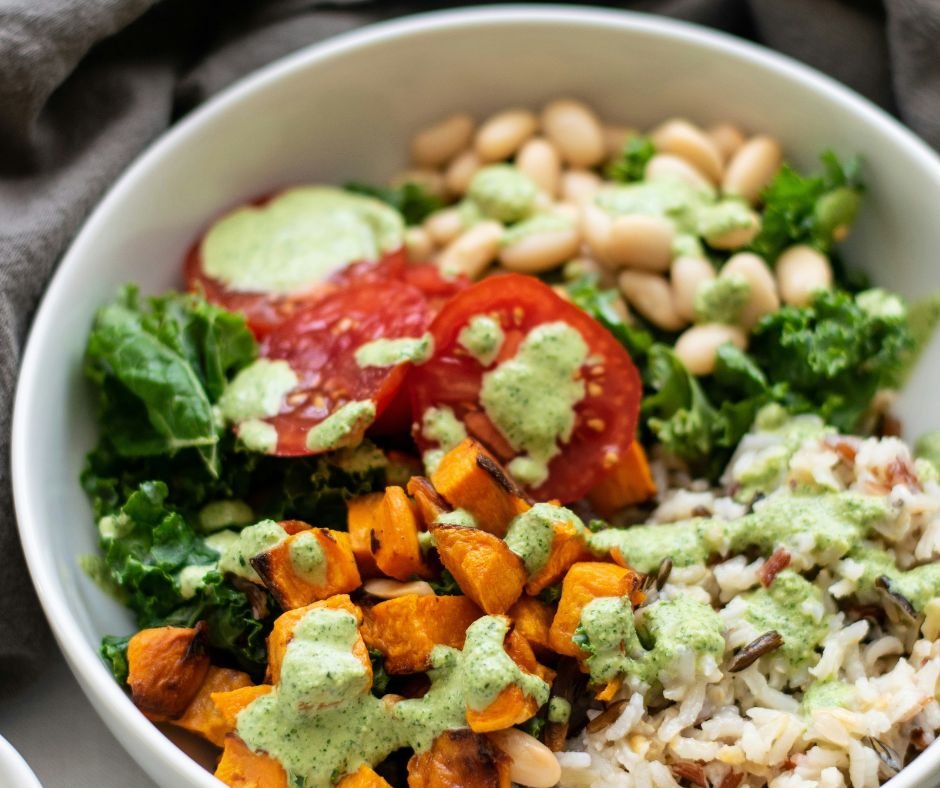
Delicious bowl with beans, grains, vegetables and flavorful sauce.
How to Cook with Beans and Lentils
The easiest way to start eating more legumes is to make them convenient.
Keep Your Pantry Stocked
Consider keeping:
Canned chickpeas
Canned black beans
Dried lentils
Dried beans of your choice
Frozen edamame
Batch Cook for the Week
Cook a large pot of beans or lentils and use them in multiple meals.
For example:
Monday: Lentil soup
Tuesday: Lentil tacos
Wednesday: Grain bowl with leftover lentils
Thursday: Salad topped with beans
Add Flavor
Beans and lentils absorb flavors beautifully. They are a blank canvas for:
Fresh herbs
Spices
Garlic
Onions
Citrus
Sauces and dressings
The secret to delicious plant-based cooking is not just adding protein—it’s building layers of flavor.
Do Beans Cause Digestive Issues?
Some people experience bloating when they first increase their intake of beans and lentils.
A few tips:
Increase your intake gradually
Drink enough water
Rinse canned beans before using
Soak and cook dried beans thoroughly
Try different varieties to find what works best for you
Your body often adapts as your gut becomes accustomed to more fiber.
A Simple Formula for Building a Bean-Based Meal
Creating a satisfying meal is easier when you think in components:
Protein: Beans, lentils, chickpeas, tofu, tempeh
Fiber-rich carbohydrates: Whole grains, vegetables, potatoes
Flavor: Herbs, spices, sauces, dressings, crunchy toppings
For example:
Lentils + quinoa + roasted vegetables + tahini sauce
Chickpeas + greens + grains + lemon herb dressing
Black beans + corn + salsa + avocado
Simple ingredients can create incredibly satisfying meals.
Start Small and Experiment
You do not need to completely change your diet overnight. Try adding one new legume-based meal each week.
Start with:
A pot of lentil soup
A bean-based chili
Chickpeas added to a salad
White beans blended into a sauce
Over time, beans and lentils can become some of the most dependable ingredients in your kitchen.
At Harvesting Flavor, I believe plant-based cooking should be approachable, flavorful, and enjoyable. Learning how to use simple ingredients like beans and legumes is one of the easiest ways to create meals that nourish both your body and your love of good food.
Explore Harvesting Flavor cooking experiences, workshops, and coaching programs to build confidence in the kitchen and discover new ways to enjoy plant-forward meals.