Seasonal Plant-Based Protein: What to Eat Throughout the Year
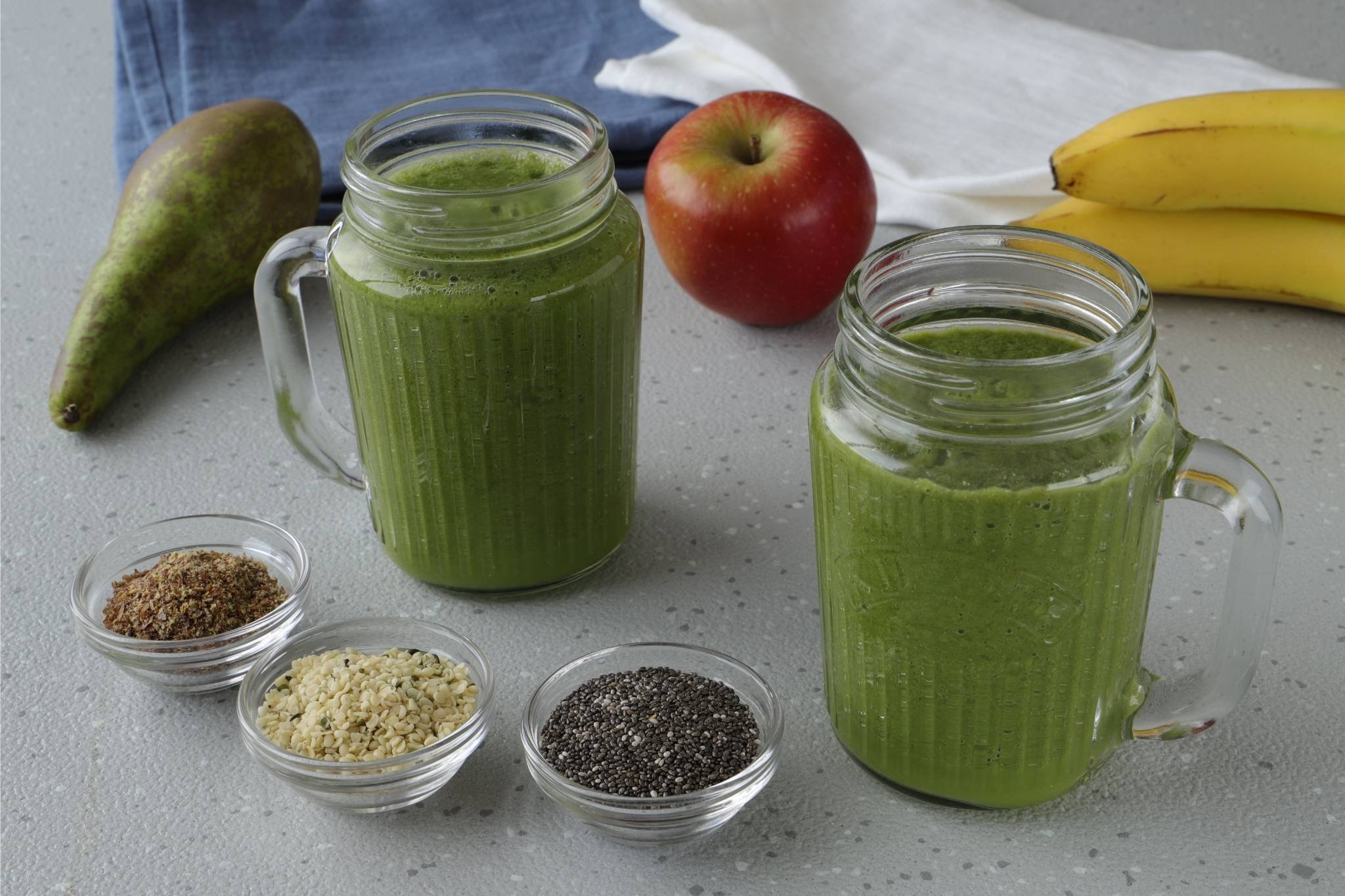
Protein-rich green smoothie with nut butter and seeds.
When people think about protein, they often picture the same few foods: a piece of meat, a carton of eggs, or a protein shake. But plants offer a wide variety of delicious, satisfying protein sources that can be enjoyed all year long.
One of the best ways to make plant-based eating easier is to follow the seasons. Eating with the seasons naturally brings variety to your meals, helps you discover new ingredients, and connects you to the foods growing around you.
From cozy winter soups to fresh summer salads, here are some of my favorite seasonal plant-based protein ideas to enjoy throughout the year.
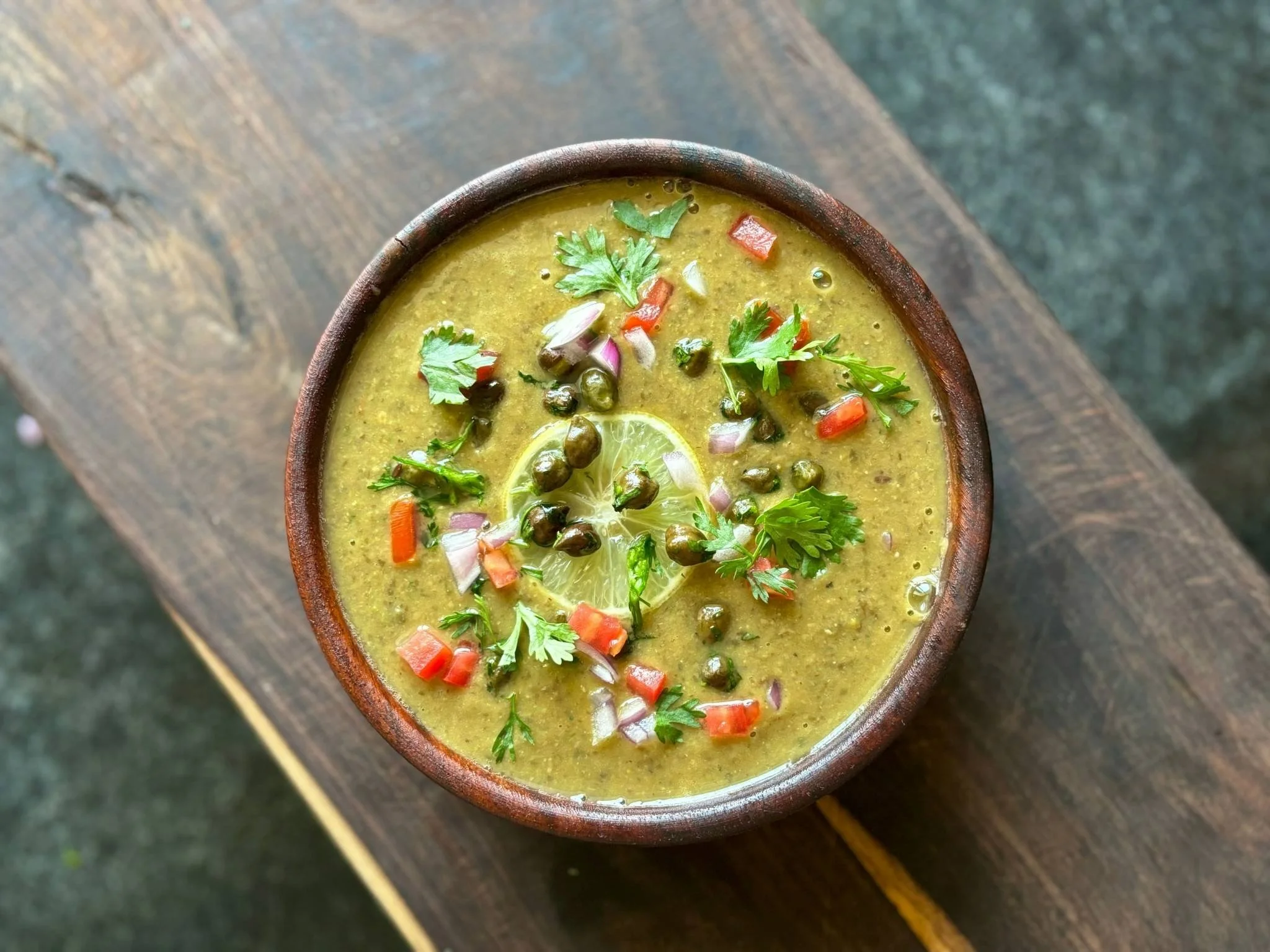
Hearty lentil soup.
Winter: Warm Up with Beans, Lentils, and Hearty Meals
Winter is the perfect time for comforting meals built around affordable, protein-rich staples.
Lentils are one of the easiest plant proteins to keep in your pantry. A cup of cooked lentils provides about 18 grams of protein along with plenty of fiber, making them a satisfying addition to soups, stews, and grain bowls.
Try:
A classic lentil soup with carrots, celery, and warming spices
Lentil chili with tomatoes and winter vegetables
Lentils added to a holiday stuffing for extra texture and nutrition
Beans are another winter favorite. Kidney beans, black beans, and pinto beans create hearty meals that store well and are easy to prepare in batches.
Try:
Three-bean chili
Black bean soup
Bean-based tacos or burrito bowls
Winter is also a great time to experiment with hemp seeds, which add about 10 grams of protein in just three tablespoons. Sprinkle them into oatmeal, smoothies, or baked goods for an easy nutrition boost.
Spring: Fresh Greens, Peas, and Protein-Packed Bowls
As gardens begin to wake up, lighter meals start to replace heavier winter dishes. Spring produce pairs beautifully with plant proteins for fresh, colorful meals.
English peas are a seasonal favorite that bring both sweetness and protein to the table. They are wonderful in pasta salads, grain bowls, and spring soups.
Try:
A spring pea pasta salad
Quinoa bowls with peas, asparagus, and fresh herbs
Pea and vegetable stir-fries
Chickpeas also shine in spring. Their mild flavor makes them incredibly versatile.
Try:
Chickpea salad with fresh herbs
Roasted chickpeas sprinkled over salads
Chickpea spreads served with seasonal vegetables
Spring is also a fun time to try sprouting. Sprouted lentils and chickpeas add a fresh crunch to salads and bowls while bringing variety to your meals.
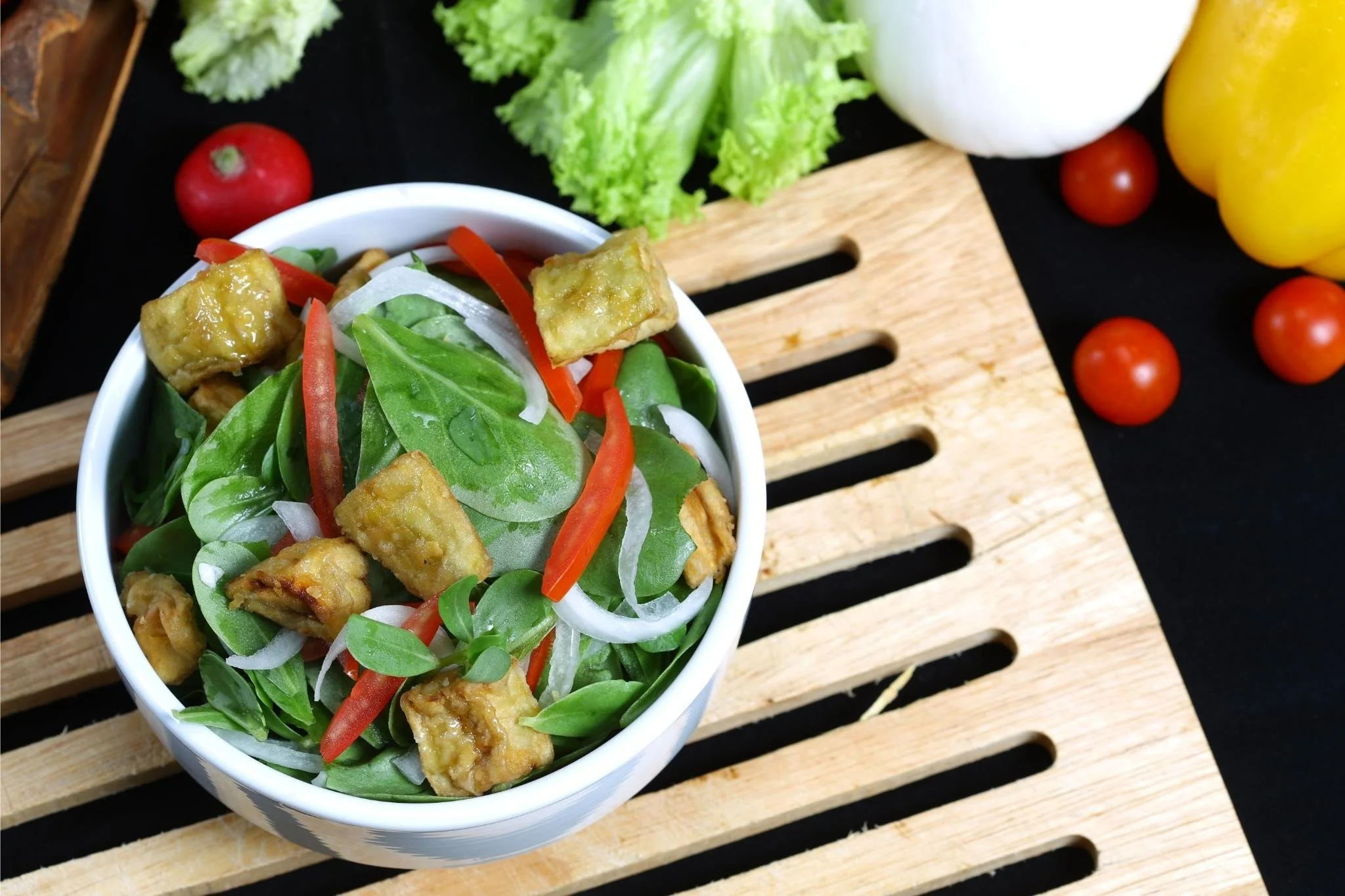
Salad with tofu.
Summer: Tofu, Tempeh, Edamame, and Garden Fresh Meals
Summer's abundance of vegetables makes it easy to build meals around plant protein.
Tofu is a summer grilling favorite because it absorbs marinades beautifully and can take on a variety of flavors.
Try:
Grilled tofu skewers
Tofu burgers
Marinated tofu added to salads
The key to flavorful tofu is preparation: press out excess moisture, season generously, and give it time to absorb your marinade.
Edamame is another summer staple. These young soybeans provide about 17 grams of protein per cup and contain all nine essential amino acids.
Try:
Edamame added to grain bowls
Edamame salads with fresh herbs
A simple snack with a sprinkle of sea salt
Don't forget about seeds during the summer months. Pumpkin seeds and sunflower seeds add crunch, flavor, and a protein boost to salads and picnic meals.
Fall: Harvest Vegetables Meet Protein-Rich Staples
Fall is the season for roasted vegetables, cozy bowls, and meals that celebrate the harvest.
Pumpkin seeds are a seasonal protein powerhouse. A quarter cup provides about 9 grams of protein, along with minerals like magnesium and zinc.
If you carve pumpkins, save the seeds! Roast them with your favorite spices for a crunchy snack or salad topping.
Try:
Roasted squash and pumpkin seed salads
Grain bowls with roasted vegetables
Pumpkin seed pesto
Tempeh is another wonderful fall protein source. Its firm texture and hearty flavor make it a satisfying addition to cooler-weather meals.
Try:
Tempeh grain bowls
Tempeh sandwiches
Tempeh as a centerpiece for holiday meals
Fall is also a perfect time for roasted chickpeas, which add crunch and protein to salads featuring squash, apples, or leafy greens.
Building a Year-Round Plant-Based Protein Pantry
While seasonal eating encourages variety, keeping a few reliable staples on hand makes plant-based meals much easier.
Consider stocking:
Lentils
Chickpeas
Black beans
Other dried or canned beans
Tofu
Tempeh
Edamame
Hemp seeds
Pumpkin seeds
Sunflower seeds
Nuts and nut butters
With a well-stocked pantry, you can create satisfying meals no matter what season you're in.
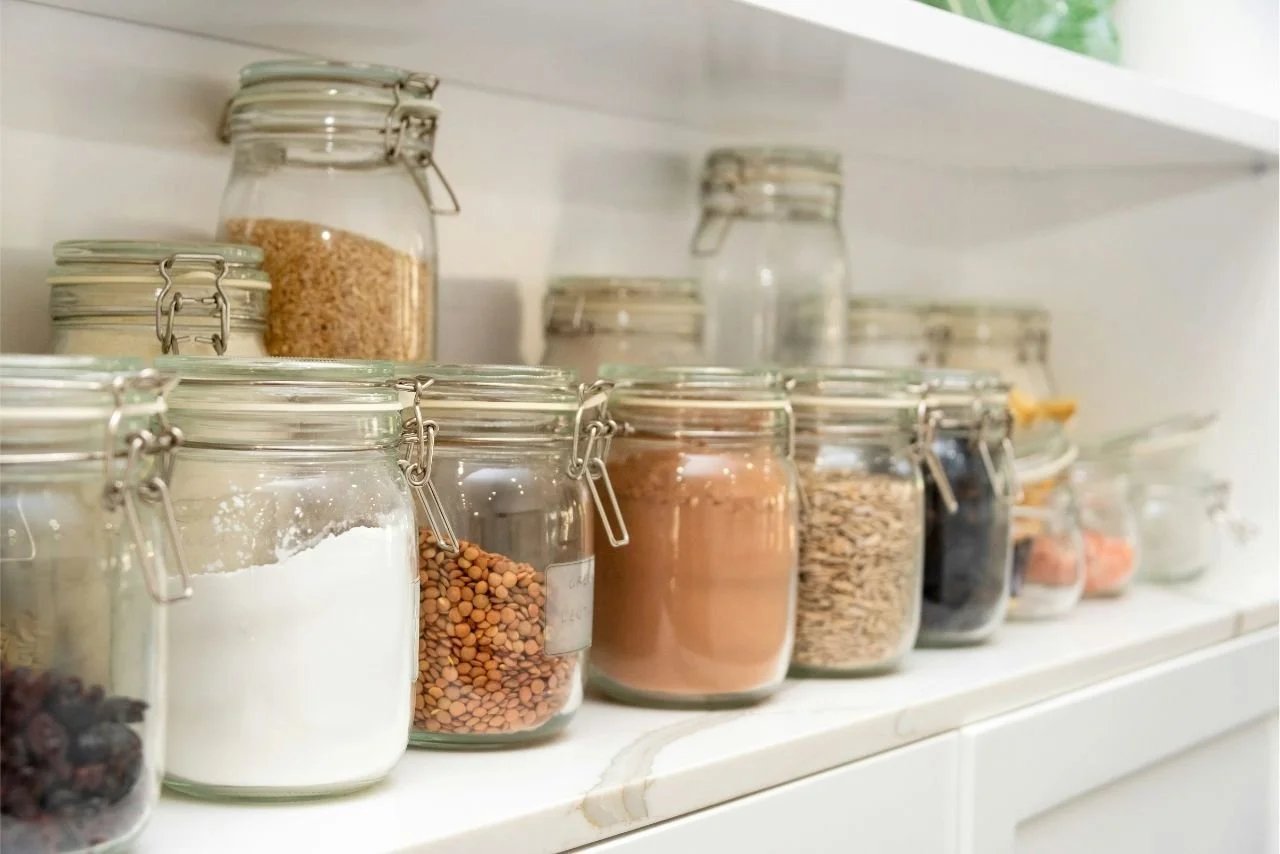
Stocked pantry.
Protein Is More Than a Number
Eating enough protein is important, but so is enjoying the foods that provide it. Plants bring more than protein to your plate—they also provide fiber, vitamins, minerals, and a wide range of flavors and textures.
The best meals are the ones you look forward to eating.
By following the seasons, exploring new ingredients, and learning a few simple cooking techniques, adding more plant-based protein can become a natural and enjoyable part of your routine.
Looking for more ways to make plant-based eating easier? Explore Harvesting Flavor's cooking experiences, workshops, and coaching programs designed to help you grow confidence in the kitchen and create meals you'll love.