20 Easy Ways to Add More Plant-Based Protein to Everyday Meals
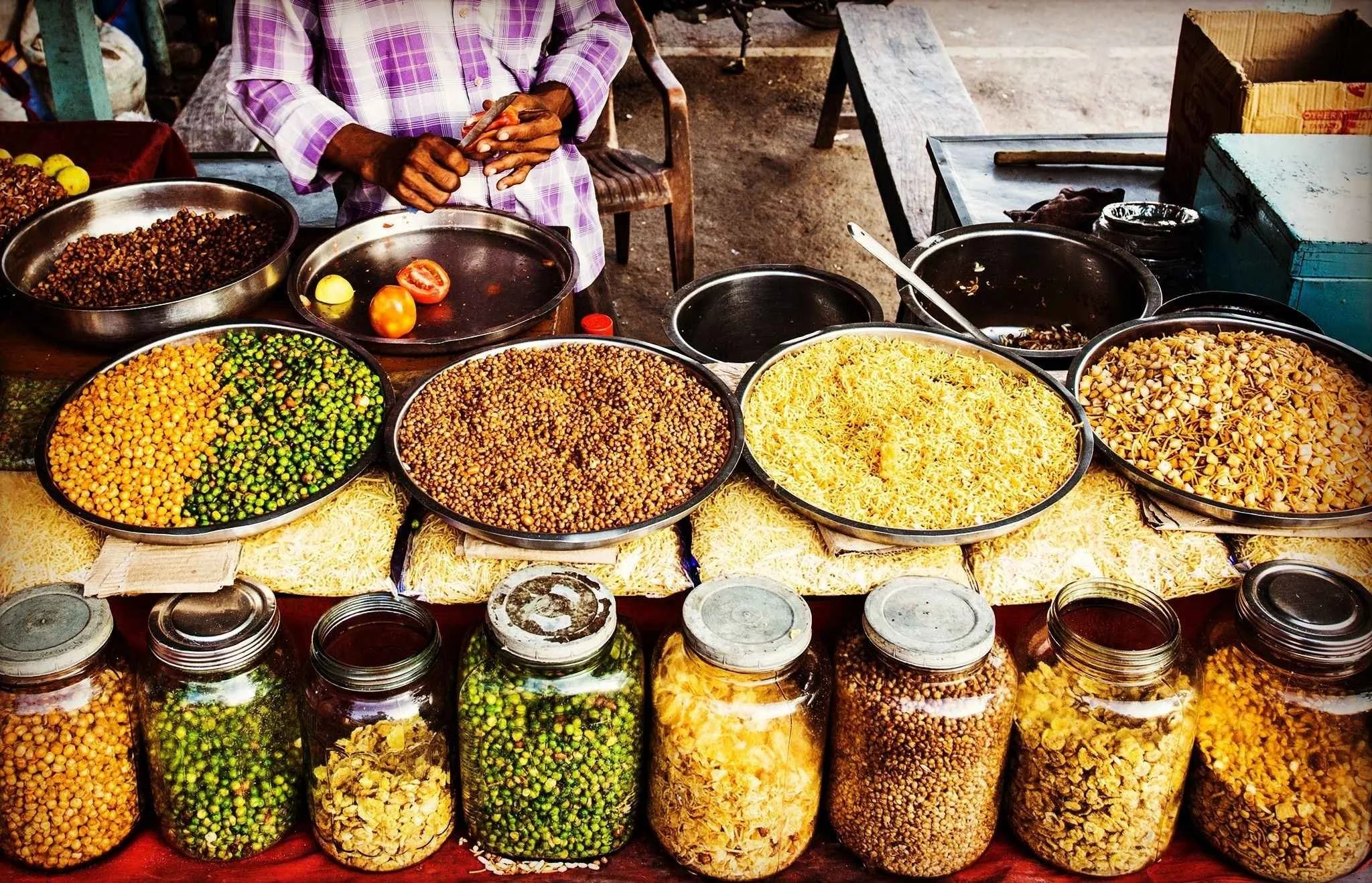
An assortment of grains and legumes ready to cook.
Eating more plant-based protein doesn't have to mean overhauling your diet or following complicated recipes. In fact, many of the easiest ways to boost your protein intake involve simple ingredients you may already have in your pantry or refrigerator.
Whether you're looking to stay full longer, support an active lifestyle, or simply eat more plants, these easy ideas can help you add protein to meals and snacks without much extra effort.
1. Stir Hemp Seeds into Oatmeal
Three tablespoons of hemp seeds add about 10 grams of protein while blending seamlessly into warm oatmeal or overnight oats.
2. Blend Silken Tofu into Smoothies
Silken tofu creates a creamy texture and adds about 8 grams of protein per half cup without overpowering the flavor of fruit.
3. Roast Chickpeas for a Crunchy Snack
Season chickpeas with your favorite spices and roast until crispy. They're delicious on their own or sprinkled over salads.
4. Add Lentils to Pasta Sauce
Cooked lentils blend beautifully into tomato sauce, adding protein, fiber, and a hearty texture that works well for pasta, lasagna, or stuffed peppers.
5. Toss Edamame into Salads
Shelled edamame is ready in just a few minutes and adds protein, color, and satisfying texture to salads and grain bowls.
6. Build Grain Bowls with Quinoa
Quinoa provides more protein than many grains and makes an excellent base for vegetables, beans, and flavorful sauces.
7. Sprinkle Pumpkin Seeds on Soups
A handful of roasted pumpkin seeds adds crunch, protein, magnesium, and healthy fats to soups and salads.
8. Mix White Beans into Dips
Blend cannellini or navy beans with garlic, lemon, and fresh herbs for a creamy dip that's packed with protein.
9. Make Chickpea Salad for Lunch
Mash chickpeas with celery, herbs, Dijon mustard, and a little vegan mayo or tahini for a satisfying sandwich or wrap filling.
10. Grill Tofu Instead of Another Burger
Pressed, marinated tofu develops wonderful flavor on the grill and pairs perfectly with fresh summer vegetables.
11. Try Tempeh on the Grill
Tempeh has a firm texture and nutty flavor that works well in skewers, sandwiches, tacos, and grain bowls.
12. Add Peanut or Almond Butter to Breakfast
Spread it on whole-grain toast, swirl it into oatmeal, or blend it into smoothies for a quick protein boost.
13. Top Salads with Sunflower Seeds
Sunflower seeds add crunch, healthy fats, and several grams of protein with almost no preparation.
14. Make a Three-Bean Chili
Combining kidney, black, and pinto beans creates a hearty meal that's rich in both protein and fiber.
15. Pair Asparagus and Peas with Quinoa
Fresh spring vegetables become even more satisfying when served over protein-rich quinoa with a sprinkle of hemp seeds.
16. Create a White Bean and Tomato Salad
Fresh tomatoes, basil, white beans, olive oil, and lemon make a quick summer meal that's both refreshing and filling.
17. Add Lentils to Holiday Stuffing
Cooked lentils blend into stuffing, adding extra protein and texture while soaking up savory holiday flavors.
18. Blend Pumpkin and Black Beans
Pumpkin puree and black beans make a creamy, protein-rich dip that's perfect for fall gatherings.
19. Add White Beans to Your Morning Toast
Mash white beans with lemon, garlic, and herbs, then spread them on whole-grain toast for a savory, protein-rich breakfast or snack.
20. Stock Your Pantry with Plant Protein Staples
Keep beans, lentils, tofu, tempeh, whole grains, nuts, and seeds readily available. When healthy ingredients are within reach, building protein-rich meals becomes much easier.
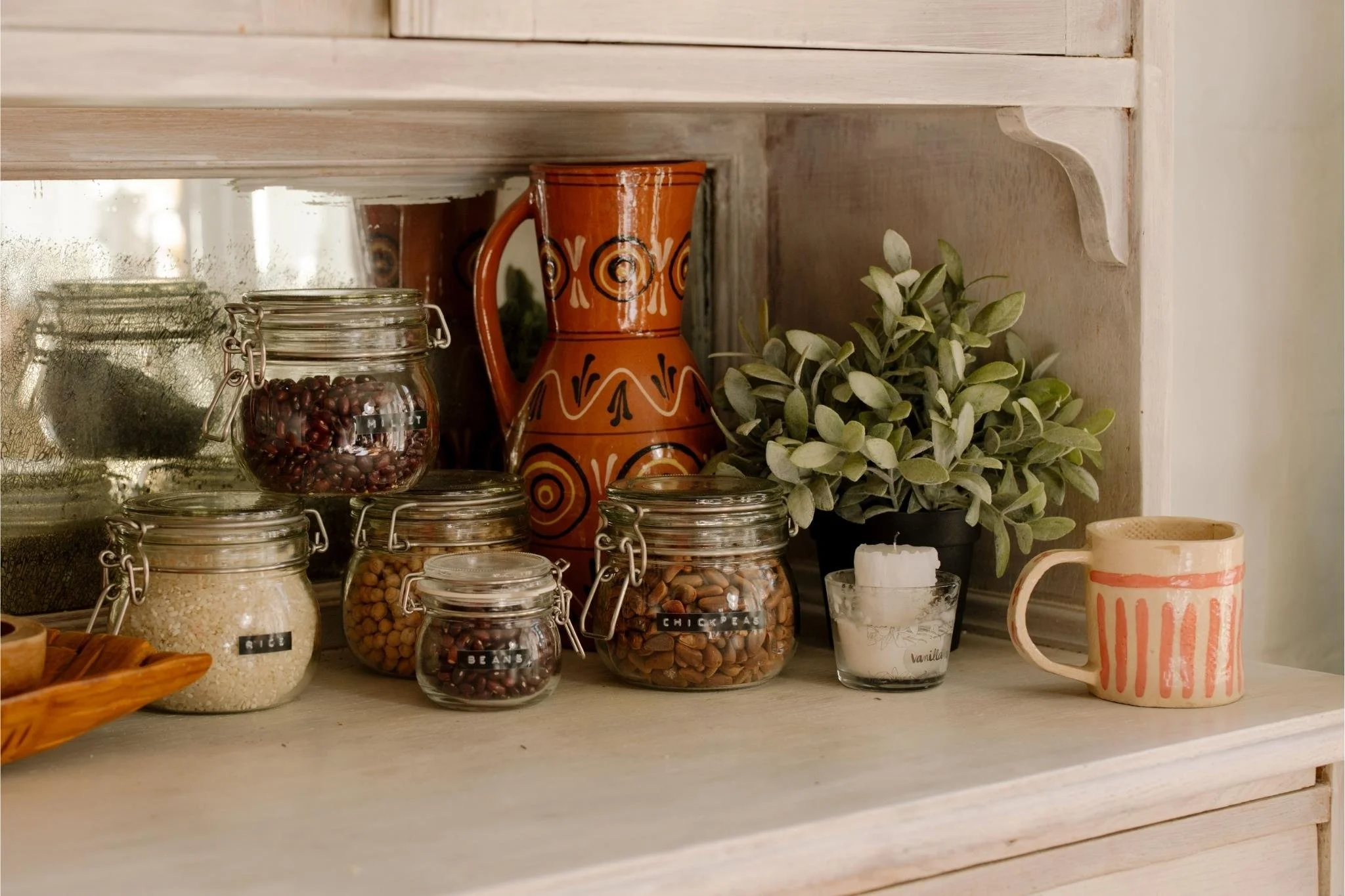
Jars of legumes ready to cook.
Small Changes Add Up
You don't need to make every meal perfect to enjoy the benefits of eating more plant-based protein. Start with one or two of these ideas this week and build from there. Small, consistent changes can make healthy eating feel simple, enjoyable, and sustainable.
Remember, plant-based protein comes packaged with many other nutrients your body loves—including fiber, vitamins, minerals, and antioxidants. By incorporating a variety of beans, lentils, soy foods, whole grains, nuts, and seeds into your meals, you'll create colorful, satisfying dishes that nourish you all year long.