The Ultimate Guide to Plant-Based Protein
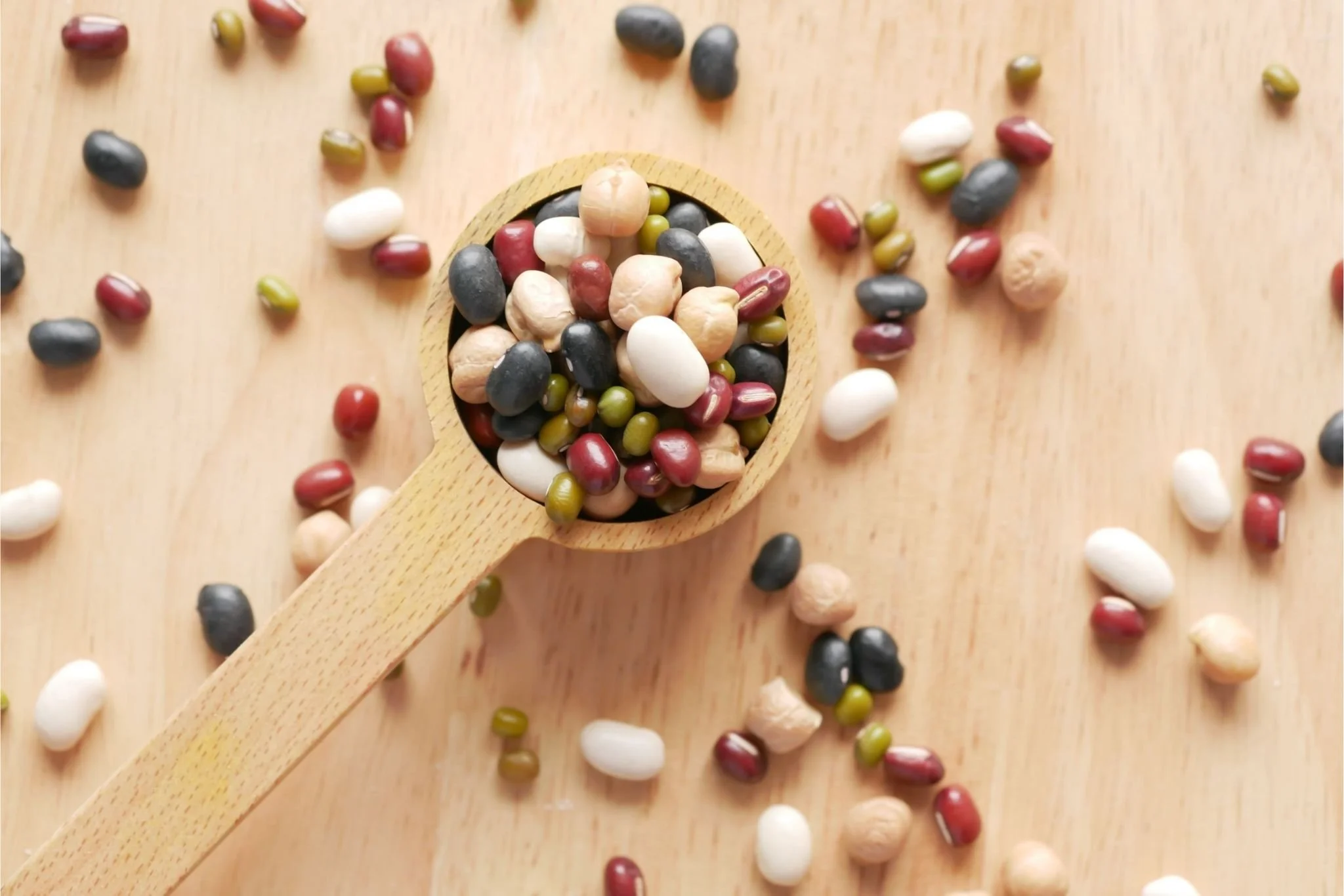
An assortment of protein-rich legumes
If you've ever wondered whether you're getting enough protein on a plant-based diet, you're not alone. It's one of the most common questions I hear—and fortunately, the answer is simpler than most people think.
Protein is essential for building and repairing muscles, supporting your immune system, producing hormones and enzymes, and helping you stay full and energized throughout the day. The good news? You don't need meat to meet your protein needs. A wide variety of plant foods provide protein, along with fiber, vitamins, minerals, and antioxidants that animal proteins don't offer.
Whether you're fully plant-based or simply looking to eat more plants, this guide will help you understand where to find protein, how much you need, and easy ways to include it in everyday meals.
How Much Protein Do You Need?
Most adults need approximately 0.8 grams of protein per kilogram of body weight each day. Older adults and people who are physically active may benefit from somewhat more, often around 1.0–1.2 grams per kilogram, depending on their individual needs and health goals.
Rather than focusing on hitting an exact number at every meal, aim to include a good source of protein throughout the day. Pairing protein with whole grains, vegetables, and healthy fats creates balanced meals that provide lasting energy and satisfaction.
Do Plant Proteins Count?
Absolutely.
All plant foods contain protein—some more than others. Beans, lentils, soy foods, whole grains, nuts, and seeds all contribute to your daily intake.
You may have heard that plant proteins are "incomplete." While it's true that some plant foods contain lower amounts of certain essential amino acids, eating a variety of plant foods throughout the day easily provides everything your body needs. There's no need to carefully combine foods at every meal.
The Best Plant-Based Protein Foods
Here are some of my favorite protein-rich foods to keep stocked in the pantry and refrigerator.
Beans
Black beans, kidney beans, pinto beans, cannellini beans, navy beans, and chickpeas are inexpensive, versatile, and packed with both protein and fiber.
Great for:
Soups
Chili
Salads
Grain bowls
Dips
Pasta dishes
Lentils
Lentils cook quickly, require no soaking, and are one of the most affordable protein sources available.
Try them in:
Lentil soup
Curry
Shepherd's pie
Pasta sauce
Stuffing
Salads
Soy Foods
Soy is one of the few plant foods that naturally provides all nine essential amino acids.
Options include:
Tofu
Tempeh
Edamame
Unsweetened soy milk
Each offers its own texture and flavor, making soy one of the most versatile protein groups.
Whole Grains
Whole grains contribute more protein than many people realize.
Choose foods such as:
Quinoa
Farro
Oats
Brown rice
Barley
Pair them with beans or vegetables for hearty, satisfying meals.
Nuts & Seeds
Don't overlook these nutritional powerhouses.
Keep these on hand:
Hemp seeds
Pumpkin seeds
Sunflower seeds
Chia seeds
Walnuts
Almonds
Peanut butter
They add protein, healthy fats, minerals, and plenty of flavor.
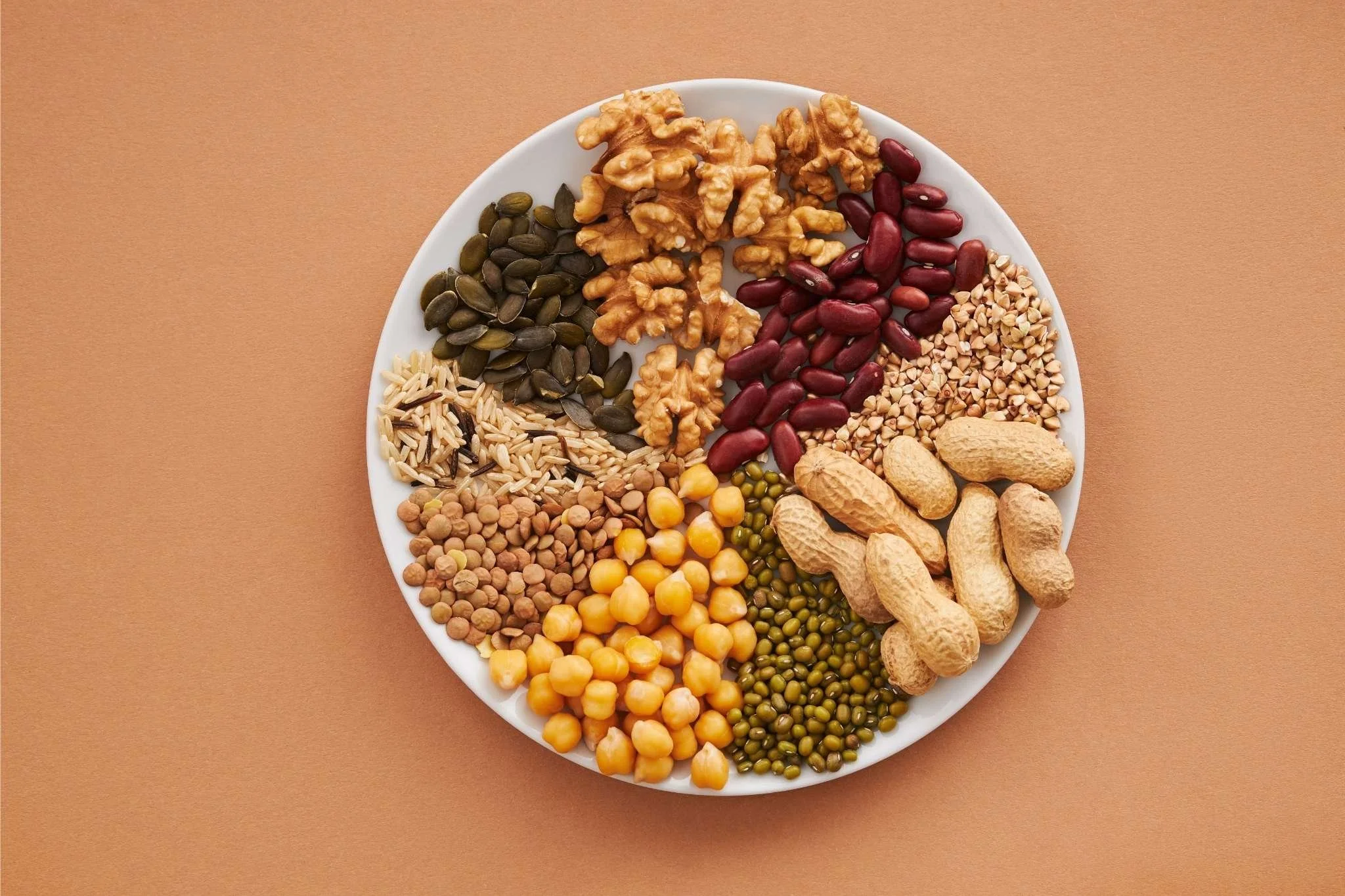
An assortment of protein-rich foods
Simple Ways to Add More Protein Every Day
Increasing your protein intake doesn't require complicated recipes.
Try these easy ideas:
Stir hemp seeds into oatmeal.
Blend silken tofu into smoothies.
Roast chickpeas for crunchy snacks.
Add beans to salads.
Toss edamame into grain bowls.
Sprinkle pumpkin seeds over soups.
Mix lentils into pasta sauce.
Spread nut butter on whole-grain toast.
Blend white beans into creamy dips.
Grill tofu or tempeh at your next cookout.
Small additions throughout the day can make a big difference. Looking for even more practical ideas? Read 20 Easy Ways to Add More Plant-Based Protein to Everyday Meals for simple, everyday tips you can start using today.
Protein Plus Fiber: The Winning Combination
One of the biggest advantages of plant proteins is that they also contain fiber.
Fiber supports digestive health, helps manage blood sugar, promotes fullness, and nourishes the beneficial bacteria in your gut. Animal proteins contain no fiber, making beans, lentils, peas, and whole grains especially valuable for overall health.
Instead of thinking only about protein, consider choosing foods that deliver both protein and fiber whenever possible.
Building a Balanced Plate
A satisfying plant-based meal doesn't have to be complicated.
Start with:
A whole grain
A protein source
Plenty of vegetables
A healthy fat
Herbs, spices, or a flavorful sauce
For example:
Quinoa + roasted vegetables + chickpeas + tahini dressing
Brown rice + tofu + broccoli + peanut sauce
Farro + white beans + tomatoes + basil
Lentil soup with whole-grain bread and a side salad
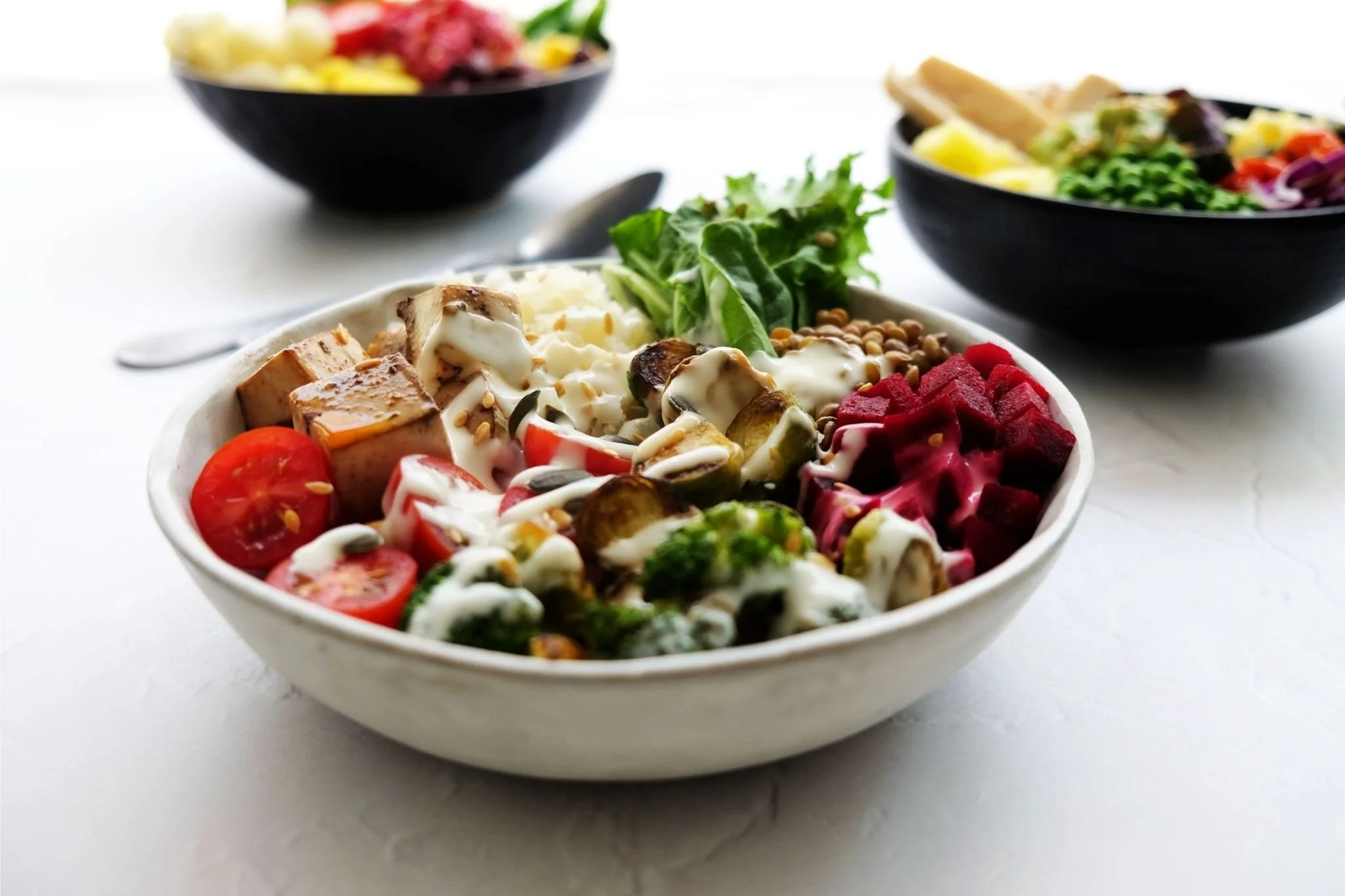
A delicious bowl with tofu, lentils and tahini sauce.
Stock Your Pantry for Success
Keeping a few protein-rich staples on hand makes healthy meals much easier.
Consider stocking:
Dried or canned beans
Quinoa
Oats
Peanut or almond butter
Hemp seeds
Pumpkin seeds
Frozen edamame
Tofu
Tempeh
With these basics available, you're always just a few ingredients away from a nourishing meal.
The Bottom Line
Eating enough protein on a plant-based diet is not only possible—it's delicious, affordable, and incredibly satisfying.
By filling your kitchen with beans, lentils, soy foods, whole grains, nuts, and seeds, you'll naturally build meals that provide protein alongside fiber and countless other nutrients. Start with one simple swap this week, and you'll discover that adding more plant-based protein is easier than you might think.
Looking for more practical ideas? Explore more recipes, seasonal cooking inspiration, and nutrition tips here on Harvesting Flavor to make plant-based eating simple, flavorful, and enjoyable all year long.